A look at when Malibu homeowners can leave a garage door alone, what the mild coastal climate and 1967-1997 housing stock mean for timing, and when waiting stops making sense.
Most of the houses in this part of Malibu went up between 1967 and 1997
With the median landing around 1979. That's a specific window - not the postwar tract era, not new construction. Doors and openers from that stretch were built to a different, looser set of expectations than what's sold today, but they weren't thrown together either. If your door is from that range and it's still opening, closing, and reversing on contact, there's a real argument for leaving it alone a while longer.
02
We're not going to tell you to call a tech because a door is quiet or because the paint looks tired
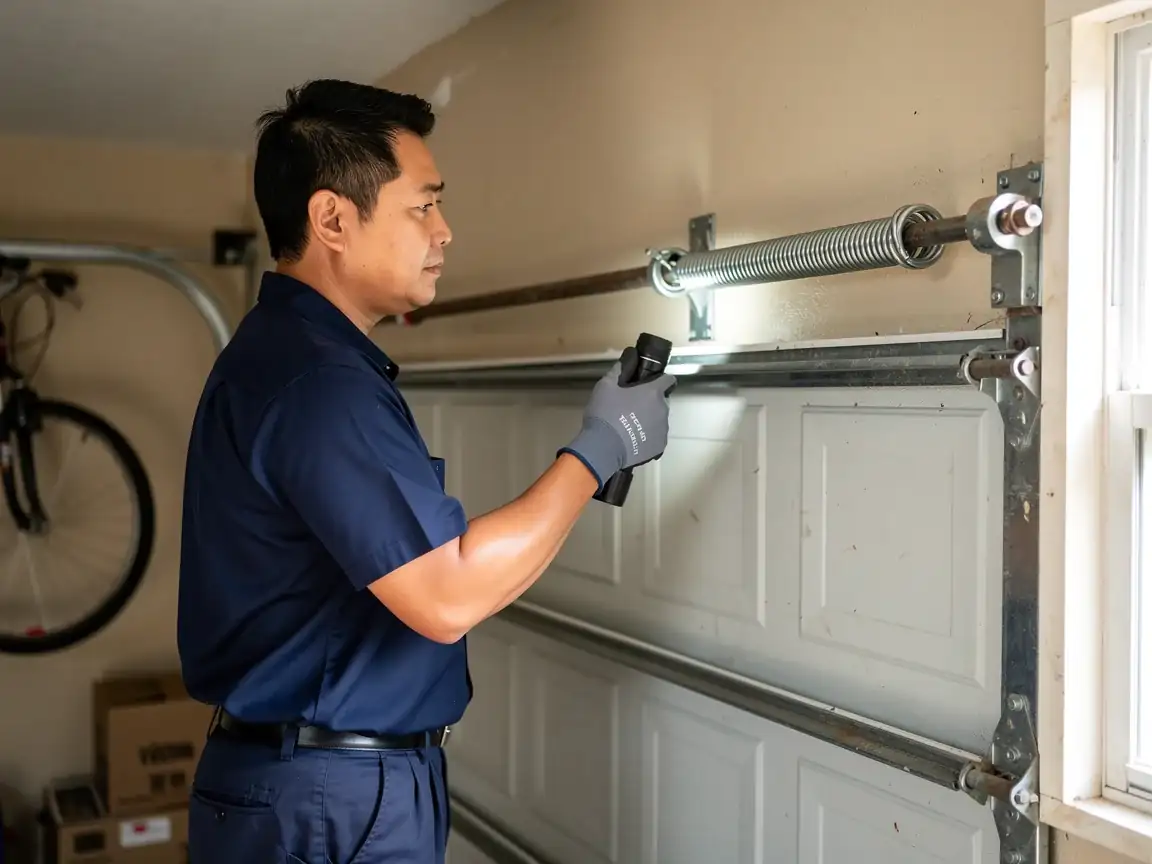
A torsion spring that's balanced, cables with no fraying, rollers that aren't grinding - none of that needs attention just because the house is forty-plus years old. Age by itself isn't a symptom.
03
What we're watching for instead is behavior
A door that hesitates, a spring that looks stretched past its coils, an opener that's started reversing for no reason. None of those are present yet, wait. The houses in this stretch, from out through Western and were mostly built in that same 1960s-70s to late-90s window, so a lot of owners are facing the same math at the same time, which is exactly why patience, not urgency, is usually the first move.
What Local Conditions Do
Malibu sits in a mild temperate band, and that cuts both ways for a garage door. There's no deep freeze cracking seals, no 100-degree stretch baking the steel on a south-facing panel. That mildness is part of why doors built in the 1967-1997 window are often still running - the climate simply hasn't been working against the hardware the way it would somewhere with real seasonal swings.
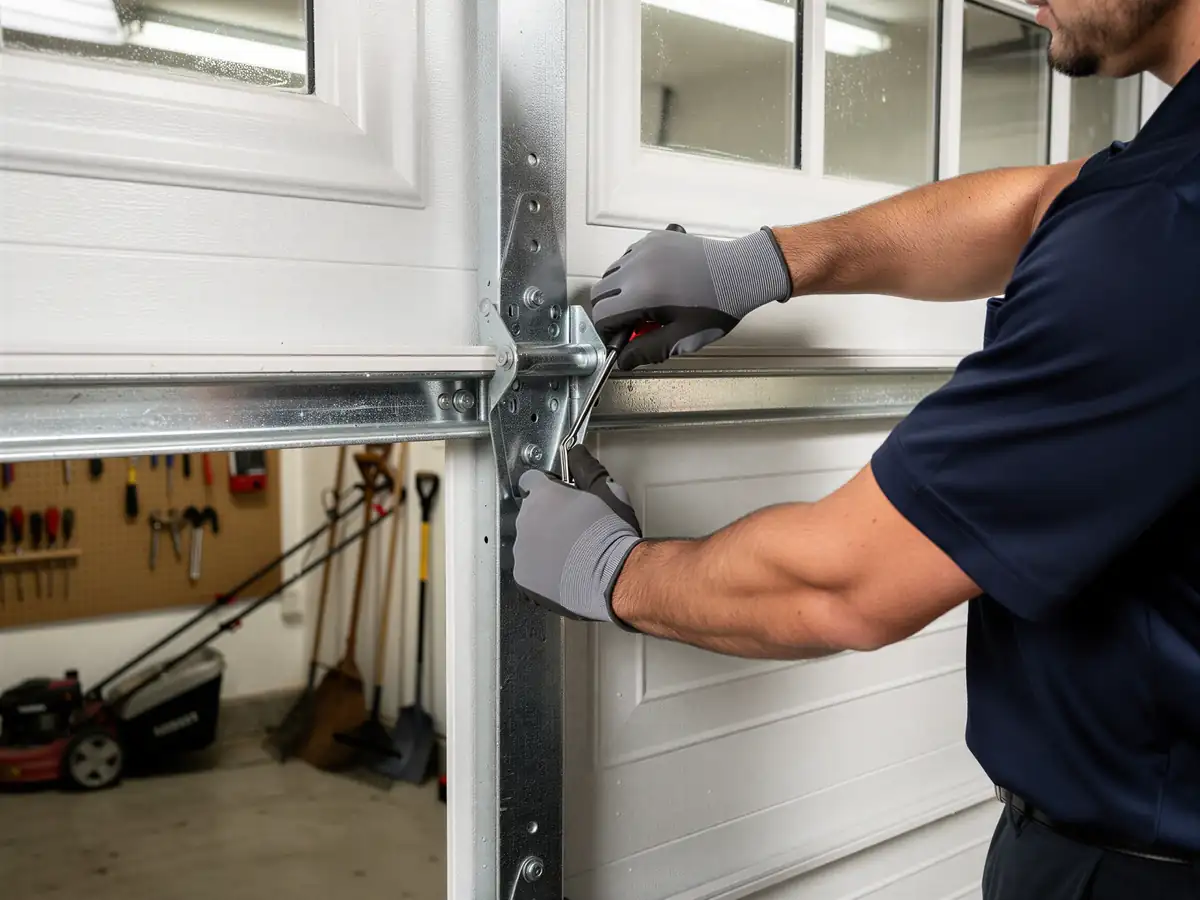
But mild doesn't mean inert. Coastal air carries salt and moisture, and over decades that's enough to work on exposed hardware - hinges, end bearing plates, unprotected spring coils - even without big temperature swings to help it along. A door that's sat fifteen years without a spring or hardware inspection can have corrosion starting in spots you won't see from inside the garage.
So the climate here buys you time on heat and cold cycling, but it doesn't buy you time on corrosion. That's the trade specific to this area, not a generic 'maintain your door' line you'd read anywhere.
The Situation
Across the service area there are roughly 19,499 households and 9,734 owner-occupied houses, with median household income around $174,069. That matters here because it shapes what 'doing nothing' actually costs if you wait too long. Homeowners in this income range typically aren't choosing between a $200 repair and groceries - the real decision is whether a repair now is worth it against a full replacement later, especially on a door that's original to a house built in the 1970s.
For a door of that vintage, parts availability is the limiting factor, not money. Original hardware from the 1967-1997 era isn't something every supplier stocks, and a cracked panel or a dead circuit board on an opener from that window can take longer to source than the repair itself takes to do. That's the honest limitation: we can't always get an exact-match part overnight, and sometimes the wait on a part is the real reason to consider replacing rather than patching.
When to Get Help
01
Get a look at it when the door starts doing something new, not when it hits a certain age
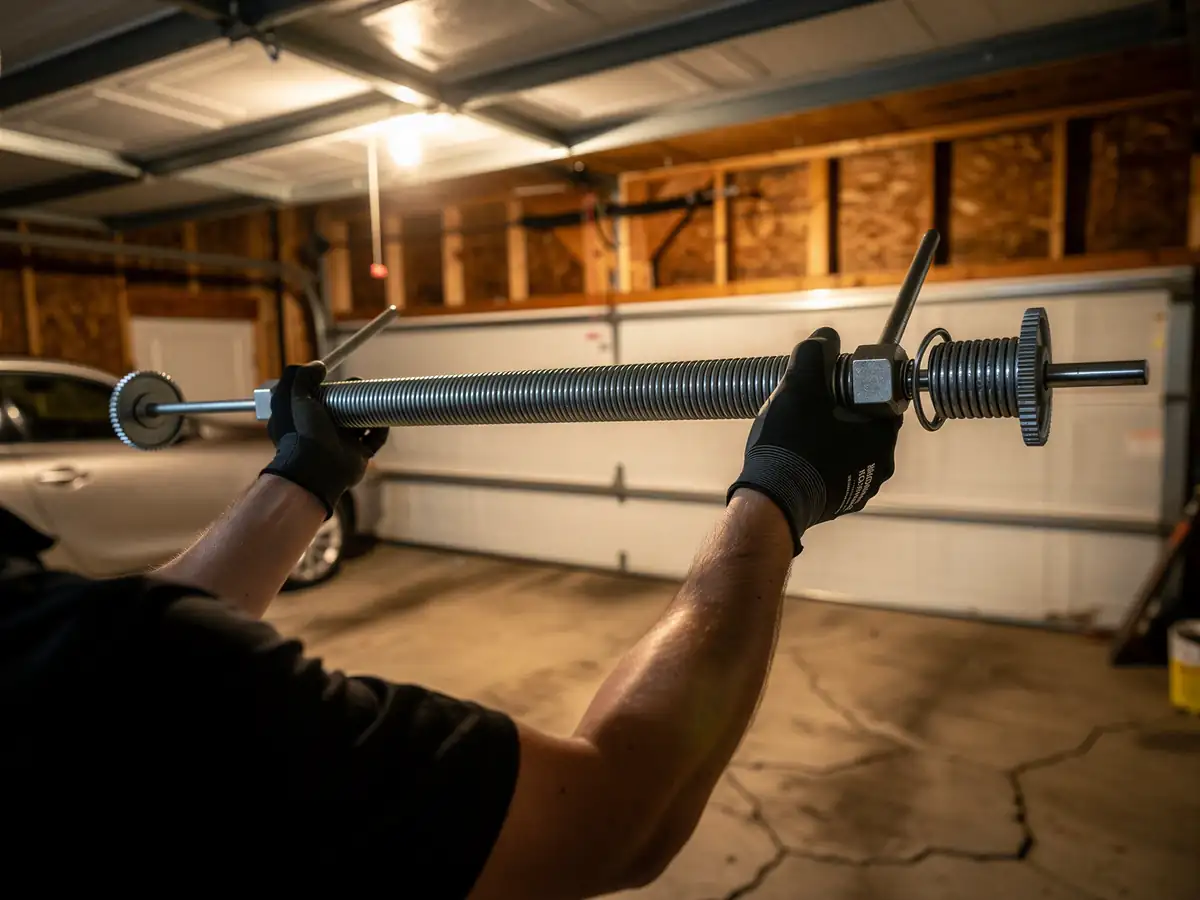
A spring that's visibly gapped between coils, cables fraying at the drum, an opener that reverses before touching the ground, a door that's suddenly heavier to lift by hand with the opener disconnected - those are the signals that move this from 'wait' to 'call.'
02
Given the distances in this area
Is about a mile out roughly six, and homes further toward Westlake Village, Topanga, or Oak Park sit eight to eleven miles off - a same-day look is usually realistic for anything urgent close to the coast.
03
If your door is part of that 1967-1997 wave and it's never had the hardware checked, that's worth doing proactively
Before a part fails on a Saturday. We'd rather look at a door that turns out fine than meet you after a cable snaps with the car trapped inside.
How it works
From “it’s stuck” to “it’s fixed”
1
Tell us what’s wrong
Describe the symptom - won’t open, loud bang, opener runs but the door won’t move.
2
On-site diagnosis
A technician tests the door under power and by hand and finds what actually failed.
3
Clear, up-front plan
You get the fix that’s needed and what drives the cost - before any work starts.
4
Repaired & tested
The repair is done, the door is set true and tested, and the work area left clean.
Not sure which repair your door needs in Malibu, CA? Describe what it’s doing - every job starts with a diagnosis.
Straight answers about garage door repair in Malibu. Still unsure? Ask us directly.
My garage door is original to a house built in the 1970s and still works fine. Should I replace it anyway?
Not on age alone. If the spring is balanced, cables are intact, and the opener reverses properly on contact, a door from that era can keep running. Replace it when parts get hard to source or a real failure shows up, not on a calendar.
Does Malibu's climate wear out garage doors faster?
Not from heat or cold - this area's mild temperate band is easy on that front compared to places with big seasonal swings. The wear you do get here tends to come from coastal salt air working on exposed hardware over many years, which is a slower, quieter problem.
Why would a part for my door take longer to get than the repair itself?
Doors and openers from the 1967-1997 window aren't all stocked the same way current models are. Some original hardware has to be sourced rather than pulled off a shelf, so the wait on the part can be longer than the job of installing it.
How fast can someone look at my door if it fails suddenly?
That depends on where you are relative to the coast. Closer-in areas like Central are generally easier to reach same-day than homes out toward Westlake Village or Oak Park, which run eight to eleven miles off.