Broken spring or stuck opener at 2am? Malibu Garage Door Pros handles emergency garage door repair across Malibu's canyon and coastal homes, day or night.
If the door won't move and the car is stuck inside
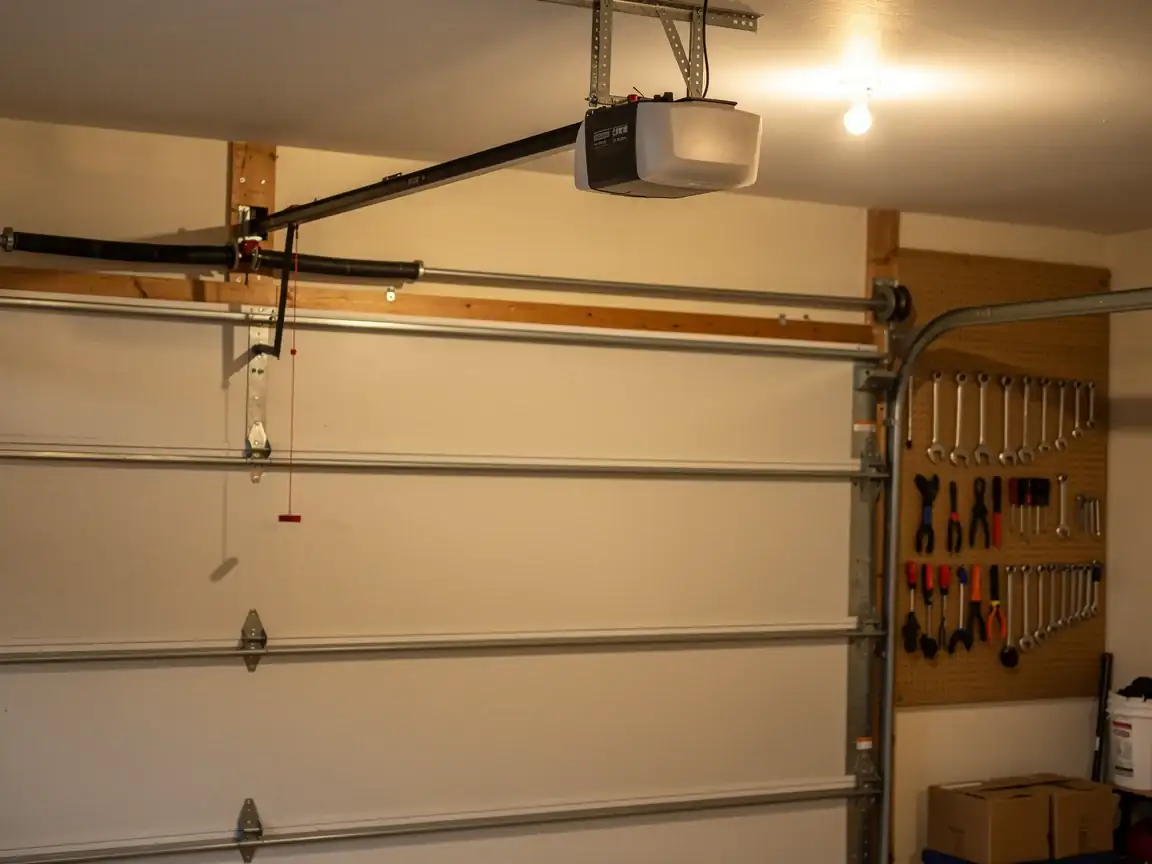
Pull the red manual release cord hanging from the opener trolley. That disconnects the opener so you can lift the door by hand - carefully, with two hands, bracing for weight if a spring has already let go. Check the obvious stuff first: dead remote batteries, a sensor eye knocked out of alignment by a bike or a trash can, a breaker that tripped. Wipe the photo-eye lenses. That fixes more "emergency" calls than people expect.
02
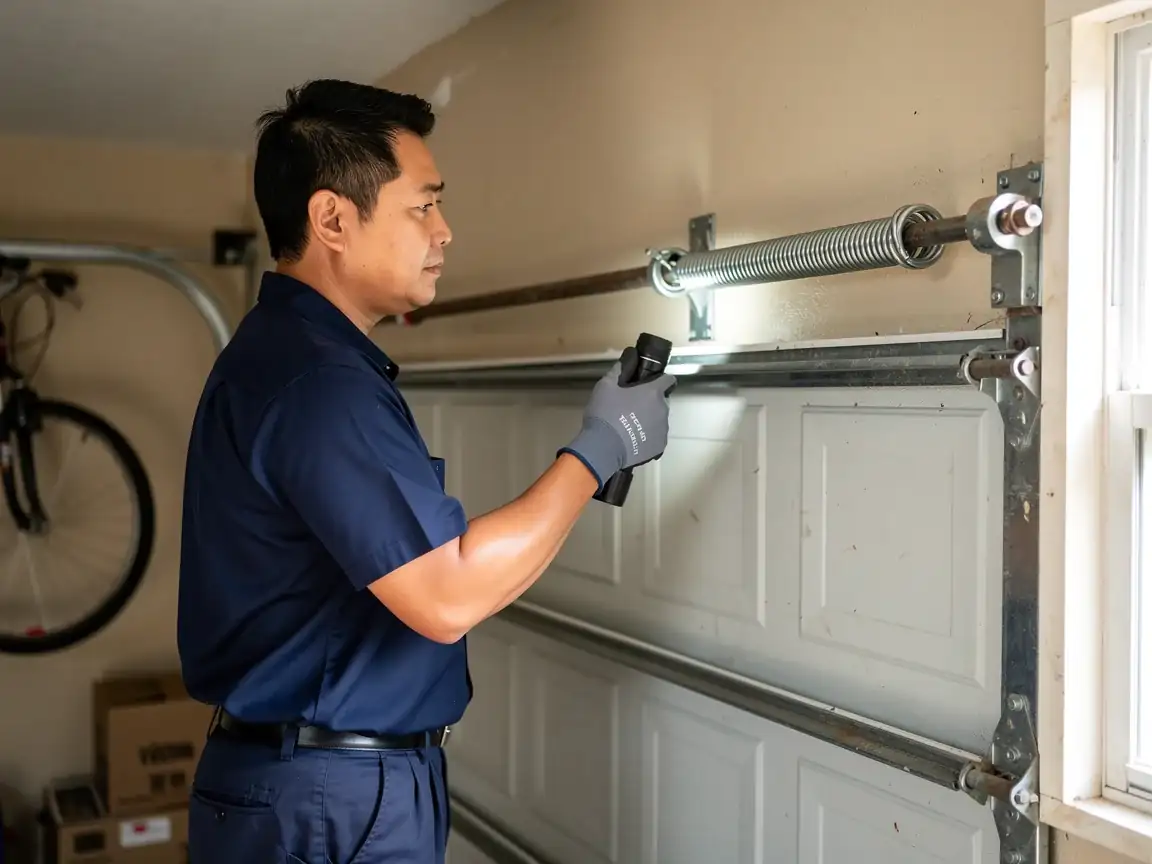
What you should not do is touch a torsion spring
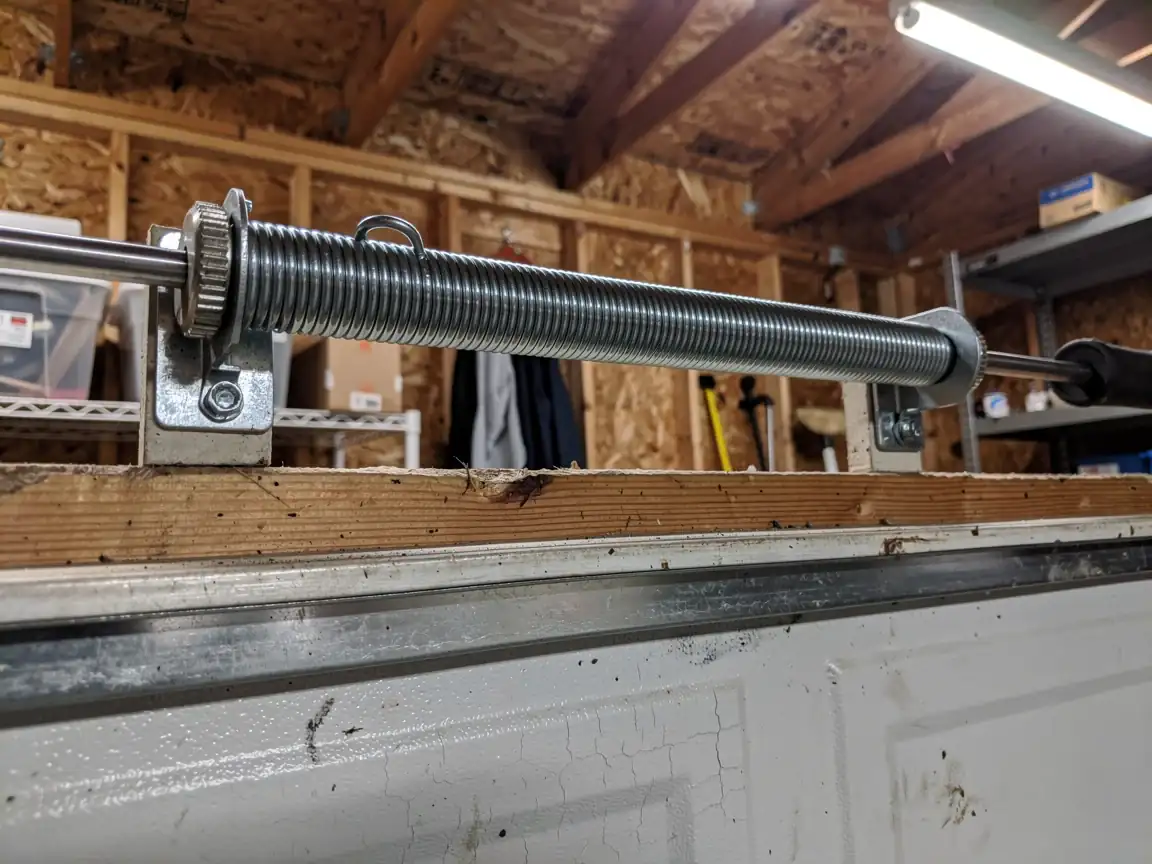
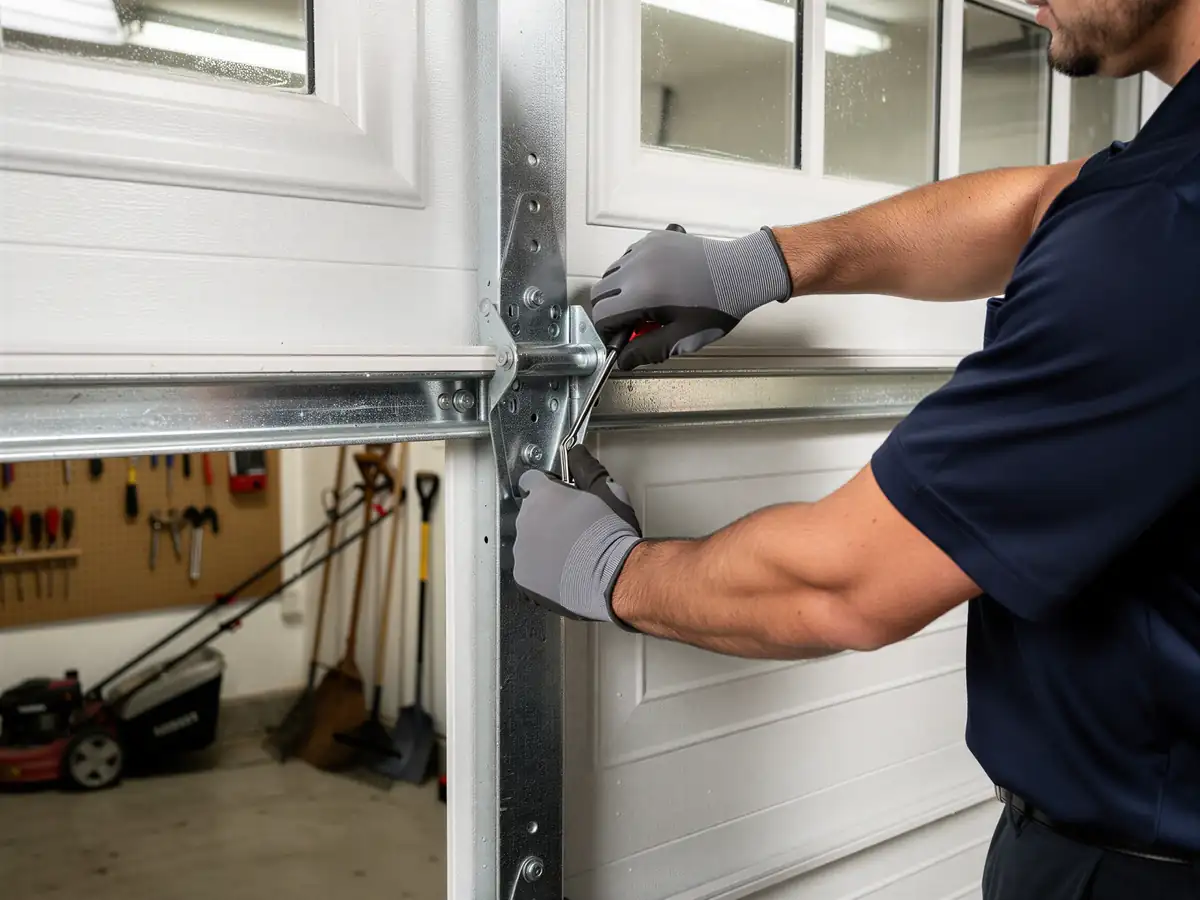
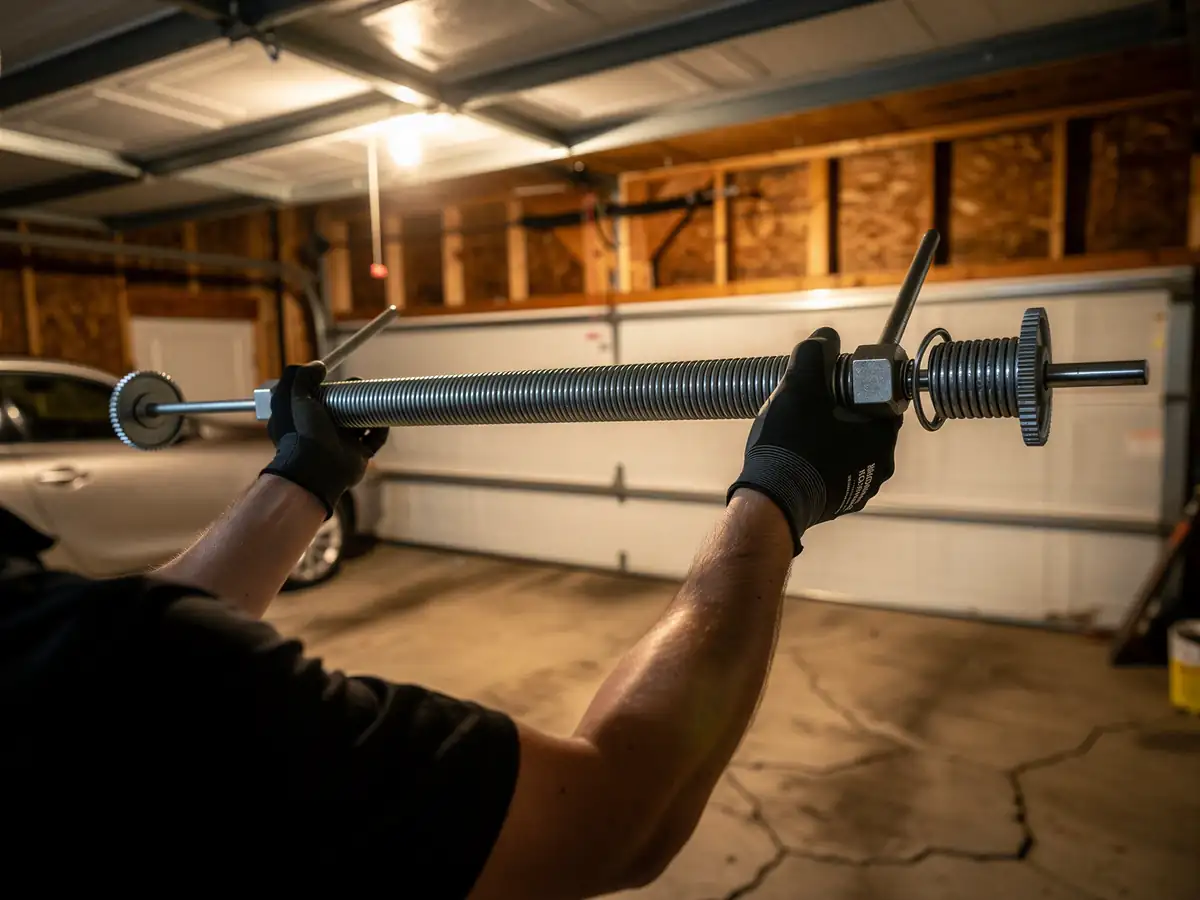
The wound-up bar mounted above the door that does the heavy lifting. If it's broken, the door is dead weight and the cable drums are under tension that can snap wrist bones. Same goes for a cable that's jumped the drum or a panel that's torn loose from the track - leave it. We service the whole stretch of communities between here and Marina del Rey, and the torsion-spring call is the one where DIY turns a $300 repair into an ER visit. Call it in instead.
What Can Go Wrong
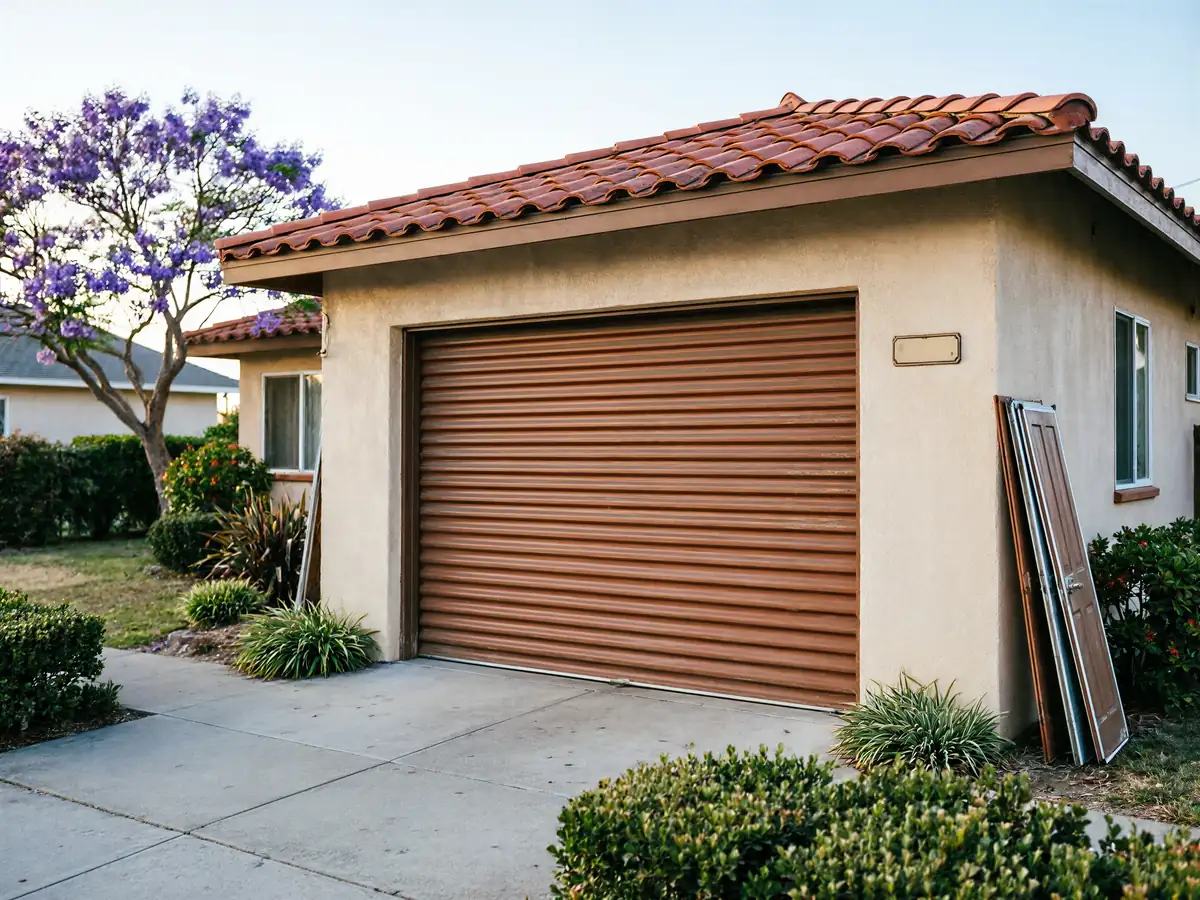
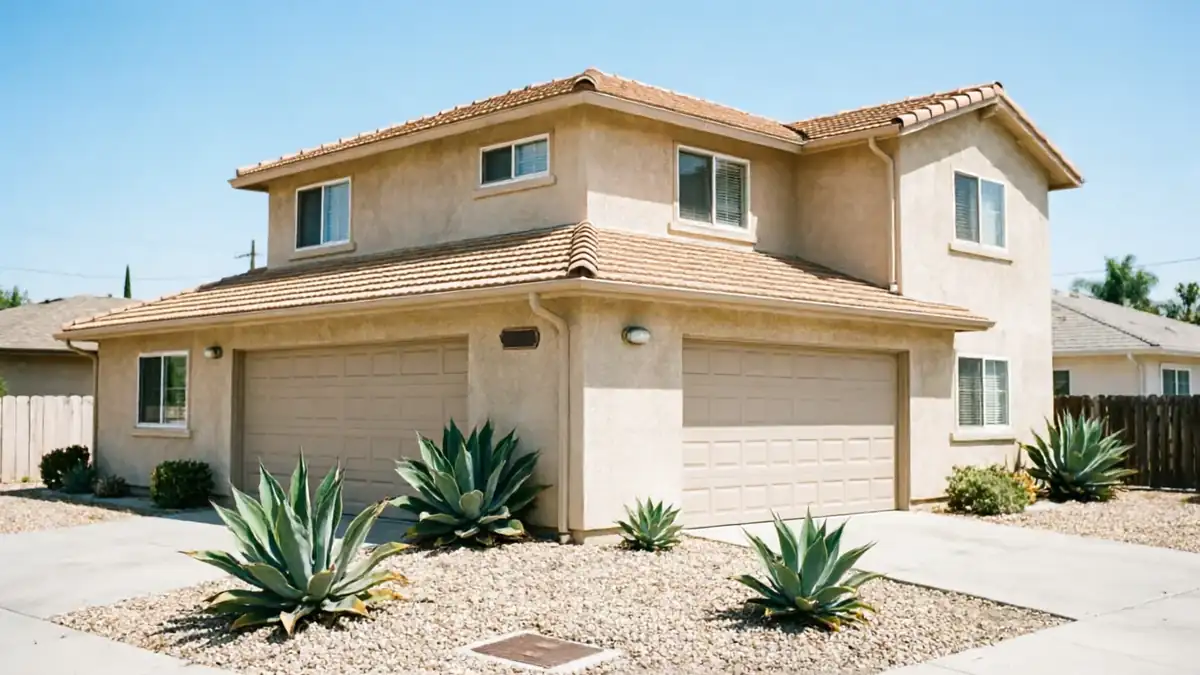
Across the service area - Malibu itself, Topanga, Lake Sherwood, Oak Park, Hidden Hills, Bell Canyon, Santa Susana, Santa Rosa Valley, and Westlake Village among them - the housing stock mostly went up between 1967 and 1997, with a lot of it clustered around 1979. That's a lot of garage doors running original torsion springs, original rollers, and in some cases original openers that are 45 to 55 years old now. Springs are rated for a number of open-close cycles, not years, but after five decades even a lightly used door has burned through its rated life.
The common failures we see: a torsion spring snapping clean through (usually with a bang loud enough to bring neighbors out), a lift cable fraying and jumping the drum, nylon rollers cracking and binding in tracks that were never resurfaced, and openers with worn gears that run but don't move the door. On double doors especially, one spring doing the work of two accelerates all of it. None of this is exotic - it's just what 45-year-old hardware does when it finally gives out, usually without warning.
How It Shows Up
Most emergency calls start one of two ways: the door won't open at all, or it opens partway and stops dead. A torsion spring failure is the loud one - a bang from the garage, then the door either won't budge or feels like it weighs five hundred pounds when you try the manual release. A cable failure looks different: the door goes crooked, one side dropping lower than the other as it comes down, sometimes jamming sideways in the track.
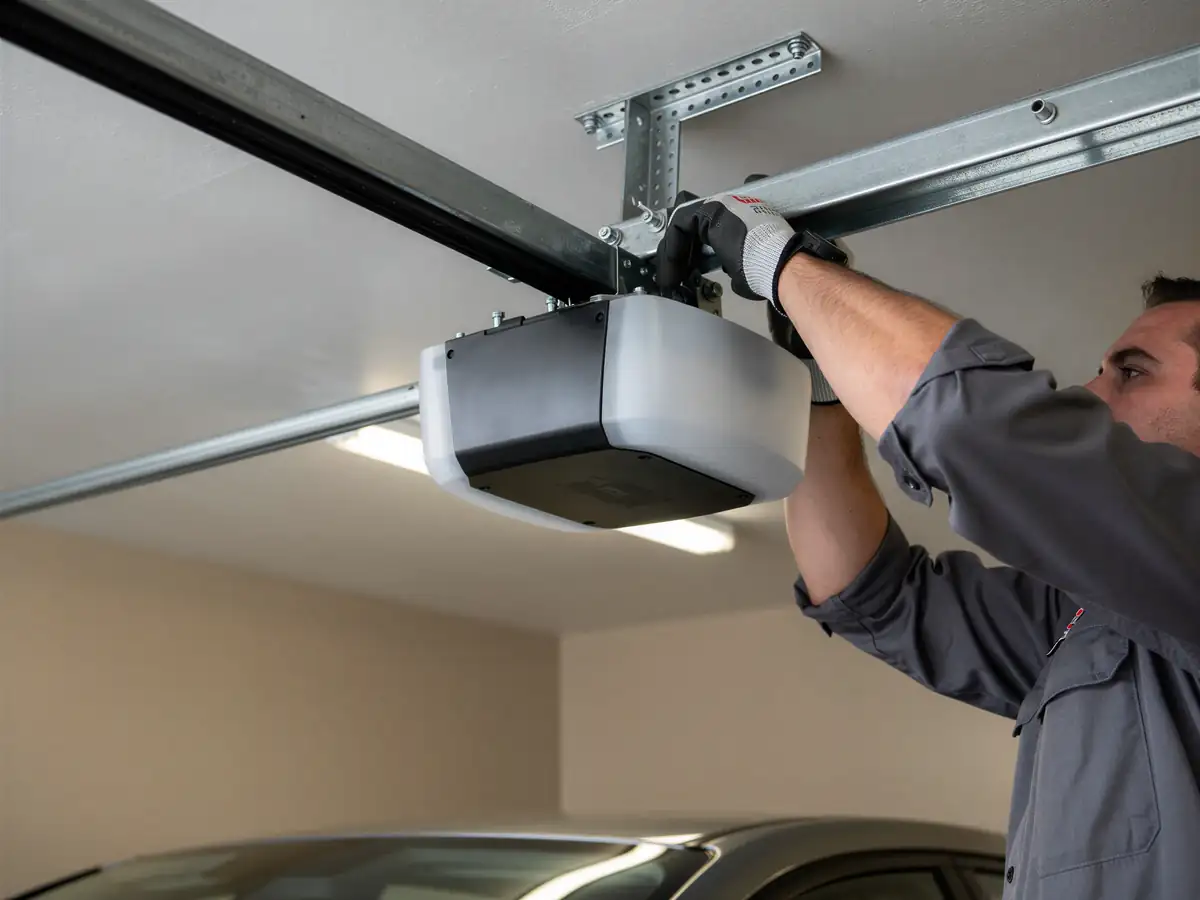
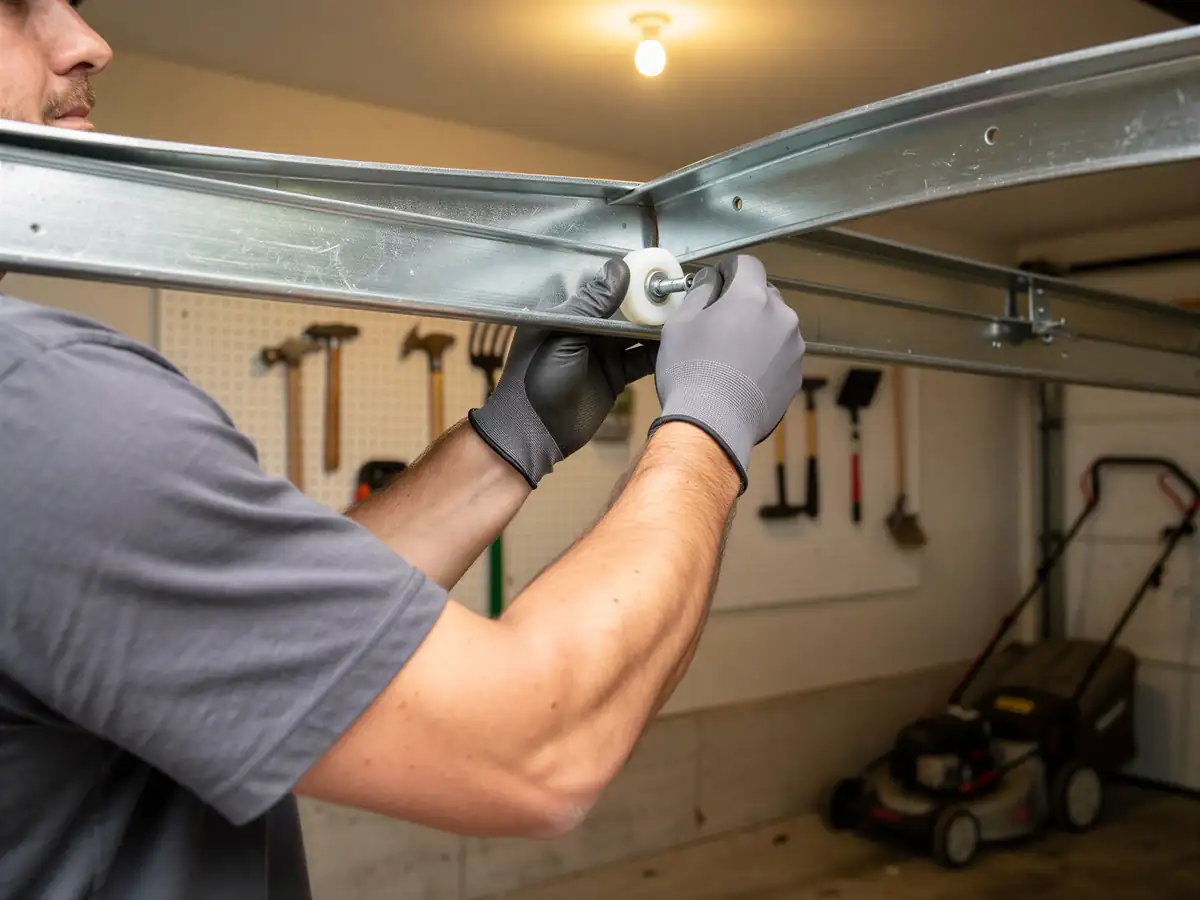
Opener trouble shows up quieter. The motor hums or runs its full cycle but the door doesn't move - usually a stripped gear or a drive chain that's jumped. Roller failure sounds like grinding or a scrape on one side as the door travels, and it gets worse with every cycle until the door binds completely.
Because this area sits in a mild temperate climate band rather than one with hard winter freezes, we don't see the cold-snap spring failures that hit inland regions hard in January. Here the failure curve is flatter and steadier - it's cycle count and age catching up with the hardware, not a sudden freeze stressing metal that was already near its limit.
Why It Happens Here
01
Tie the two facts together and the pattern is straightforward
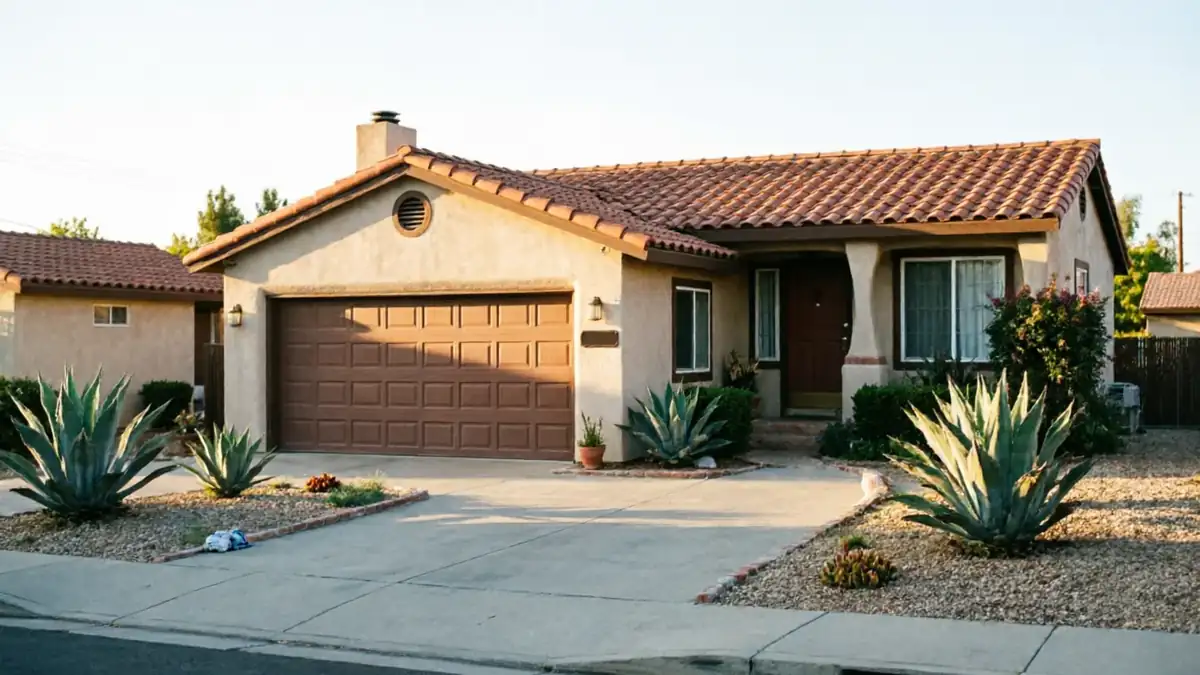
Housing across this service area was mostly built between 1967 and 1997, median right around 1979, spread across nine named communities from the coast up through the canyons. That means thousands of garage doors installed during the same roughly 20-year window are all approaching or past the end of their mechanical life at roughly the same time. It's not a coincidence that emergency calls cluster the way they do - it's math.
02
The mild temperate climate here actually works in homeowners' favor in one sense
No freeze-thaw cycling to prematurely stiffen or crack spring steel the way colder regions see. But it means the springs, cables, and rollers fail almost entirely from use and age rather than weather, so there's no seasonal warning pattern to watch for. A door can run fine for years and then fail on an ordinary Tuesday with no storm, no cold snap, nothing to blame it on.
03
With median household income across the service area at $174,069
A fair number of these calls end with a decision to replace the whole door and opener rather than patch a 45-year-old system piece by piece - the parts often aren't worth chasing individually anymore.
How it works
From “it’s stuck” to “it’s fixed”
1
Tell us what’s wrong
Describe the symptom - won’t open, loud bang, opener runs but the door won’t move.
2
On-site diagnosis
A technician tests the door under power and by hand and finds what actually failed.
3
Clear, up-front plan
You get the fix that’s needed and what drives the cost - before any work starts.
4
Repaired & tested
The repair is done, the door is set true and tested, and the work area left clean.
Not sure which repair your door needs in Malibu, CA? Describe what it’s doing - every job starts with a diagnosis.
Straight answers about garage door repair in Malibu. Still unsure? Ask us directly.
How fast can you get to a broken spring call in Malibu
We don't quote a fixed response window here since it depends on where in the service area the call comes from - Malibu itself versus the canyon communities further out. Call and we'll give you a straight answer on timing for your specific location before you commit to anything.
Is a broken torsion spring something I can fix myself
No. The spring is wound under heavy tension and the tools to safely wind or unwind it aren't something most homeowners own or have used. A broken cable or spring means the door is either stuck shut or dangerously heavy to lift by hand. Use the manual release only to free the car, then call it in.
Why did my opener suddenly stop working with no warning
Most openers in this area are original to houses built in the 1967-1997 window, so by now the drive gear, chain, or belt is simply worn out from decades of cycles. There's rarely a dramatic cause - it's cumulative wear finally crossing the line, which is also why it tends to happen without any lead-up symptoms.
Do you cover areas outside Malibu itself
Yes, the service area includes the nearby communities within roughly 18 miles, from Topanga and Westlake Village out to Santa Susana and Marina del Rey. Call and tell us your location and we'll confirm coverage and get someone routed out.