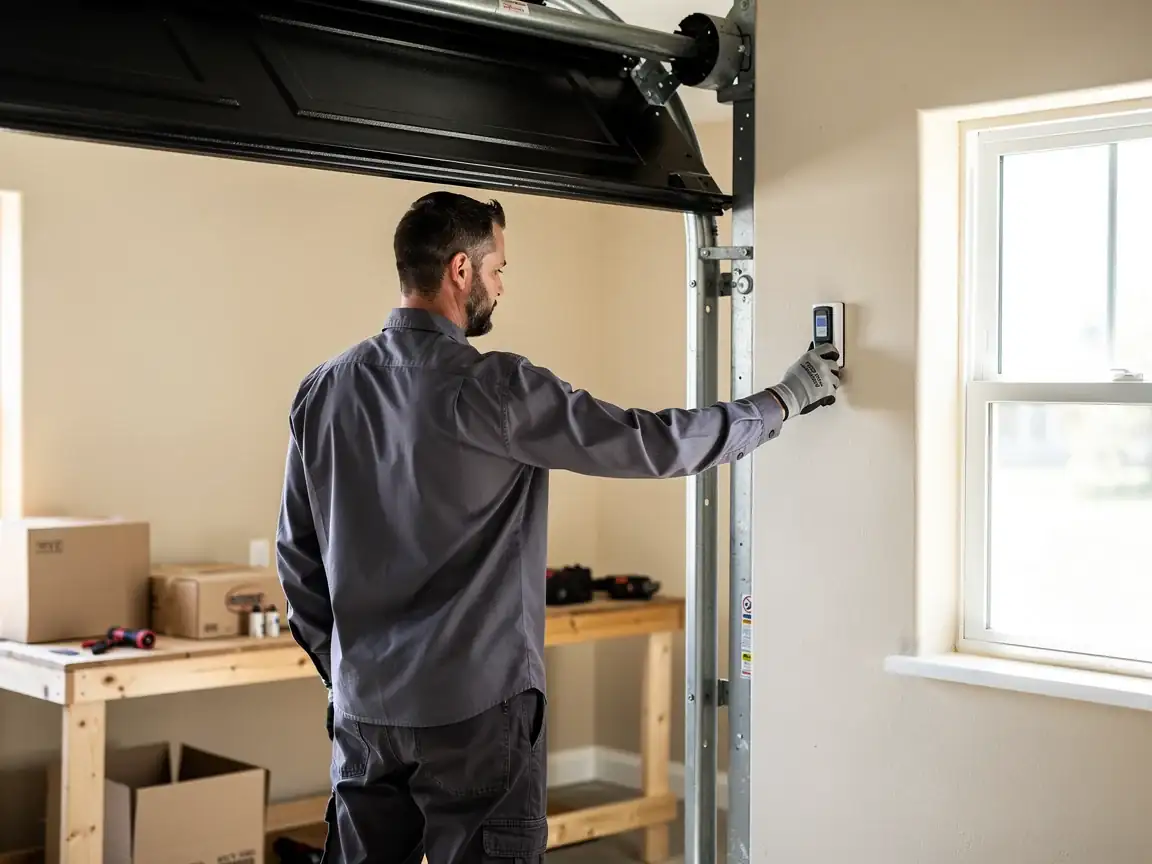
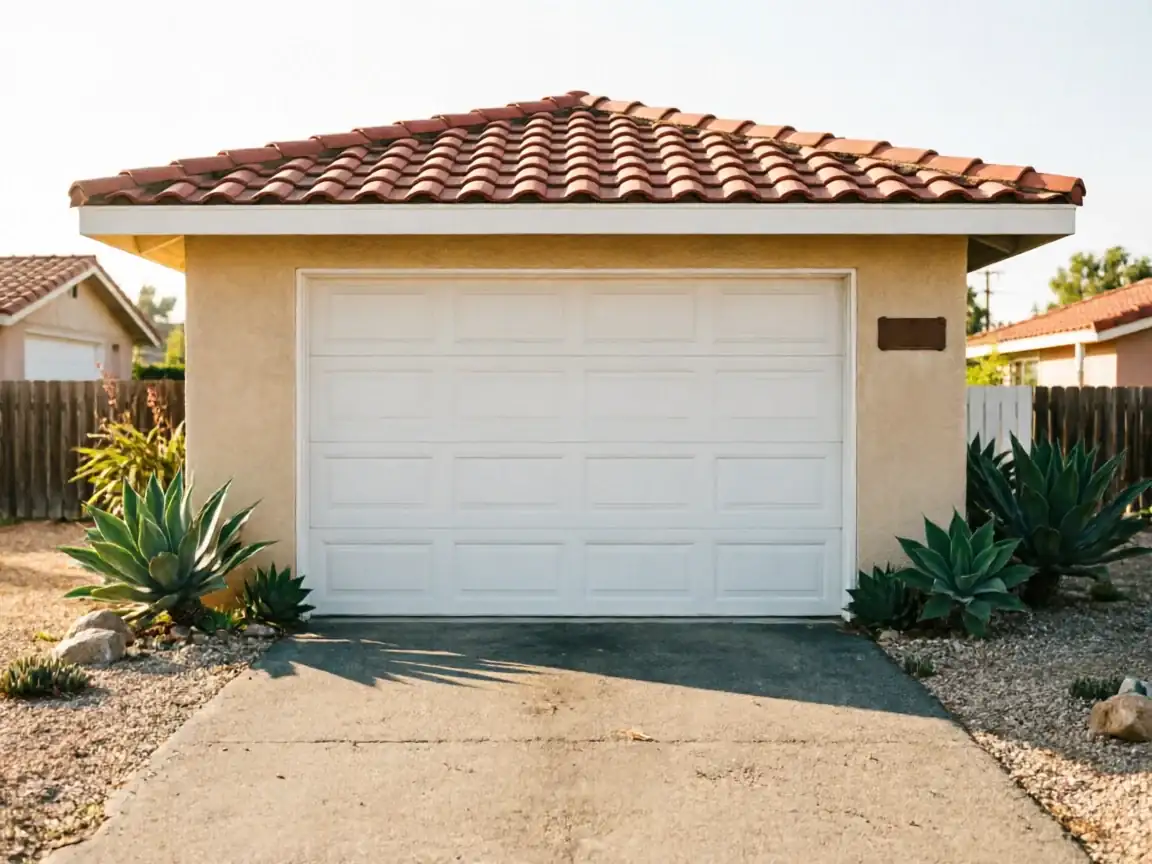
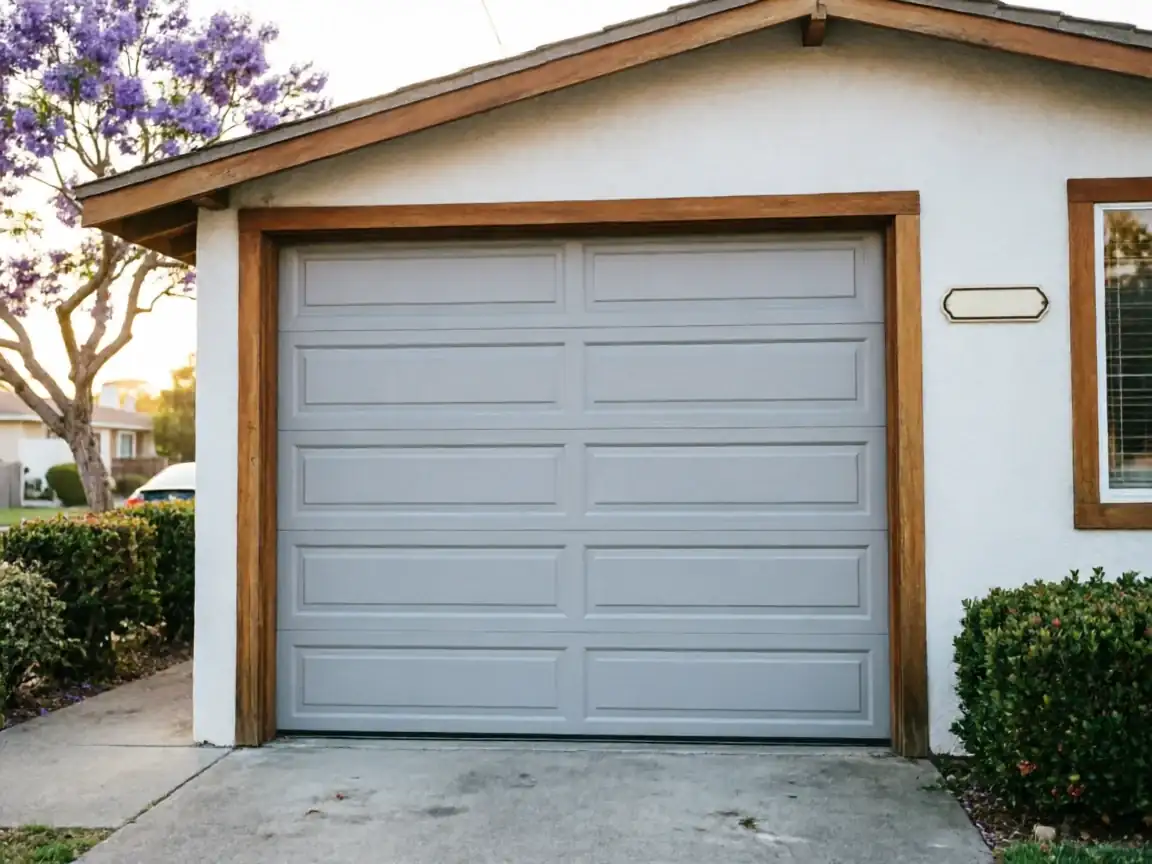
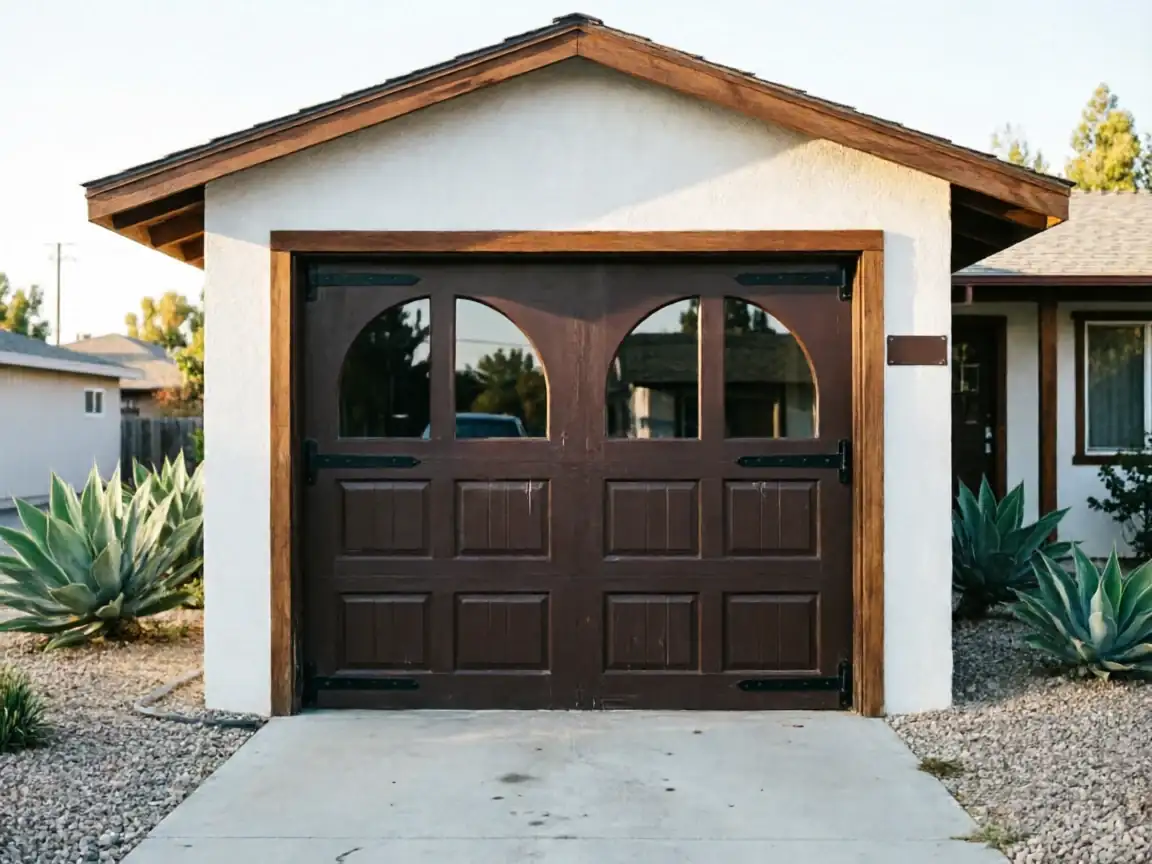
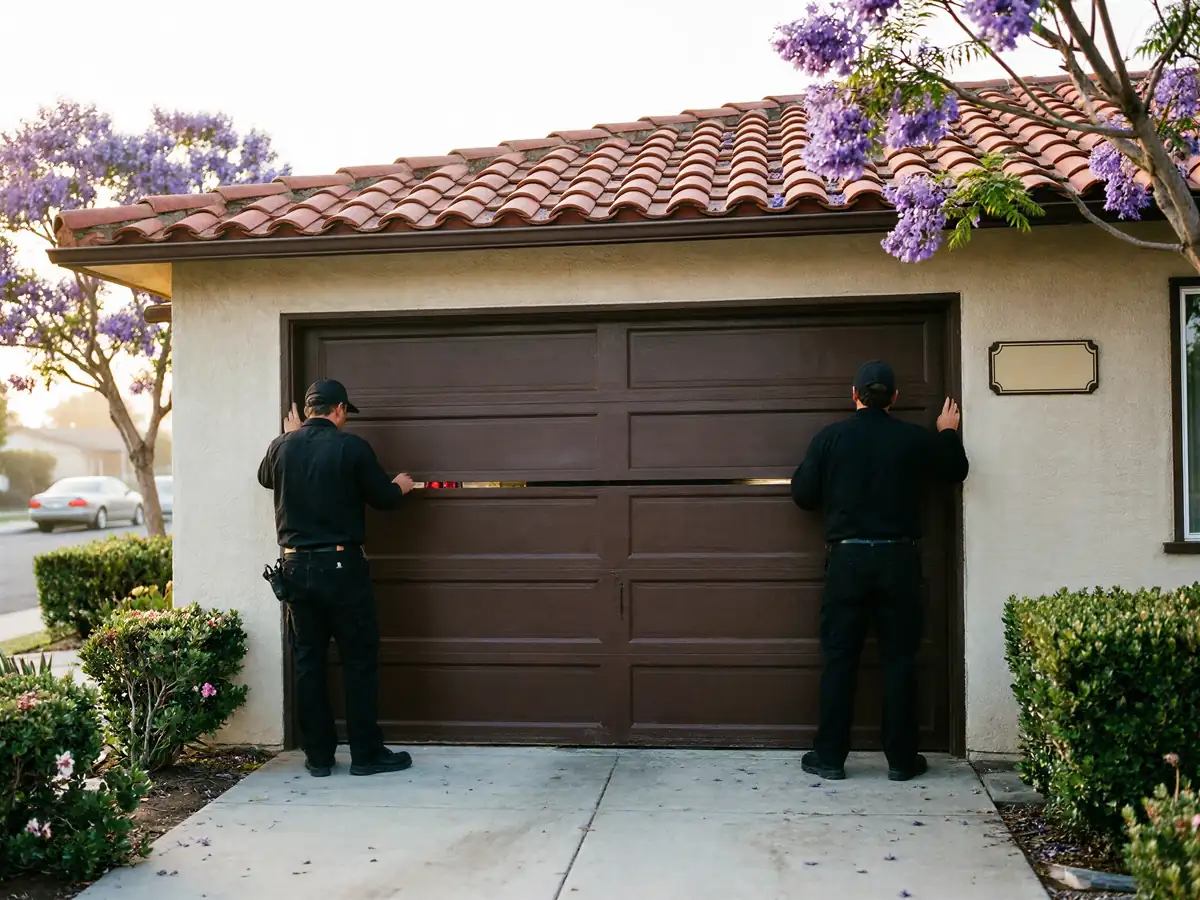
Garage Door Opener Installation Across the Malibu Area
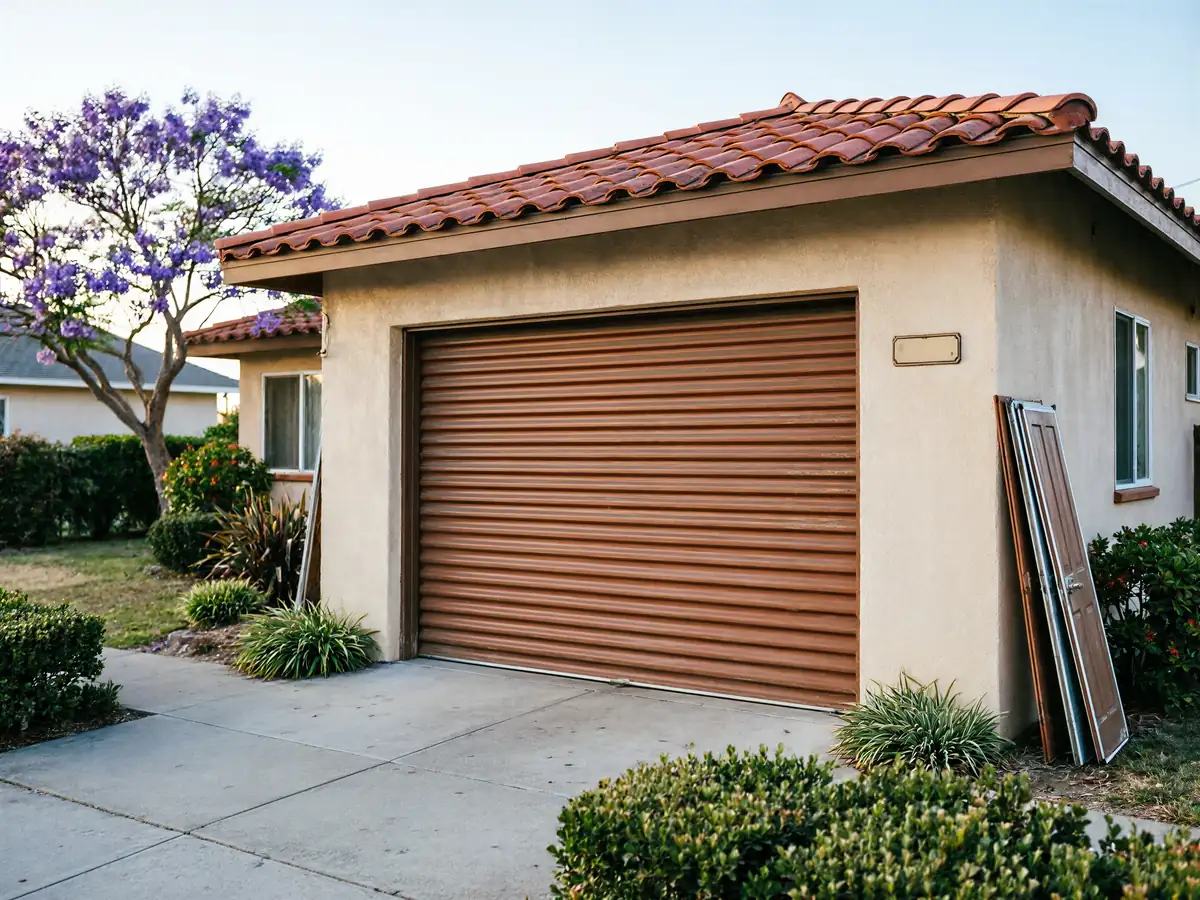
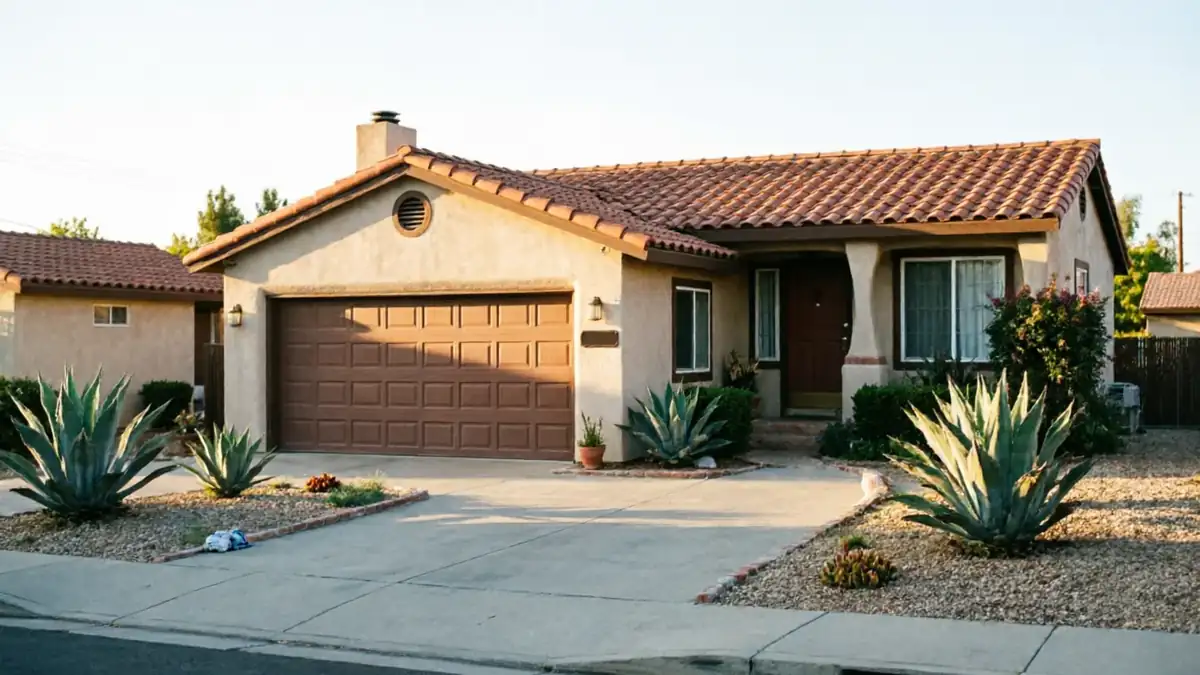
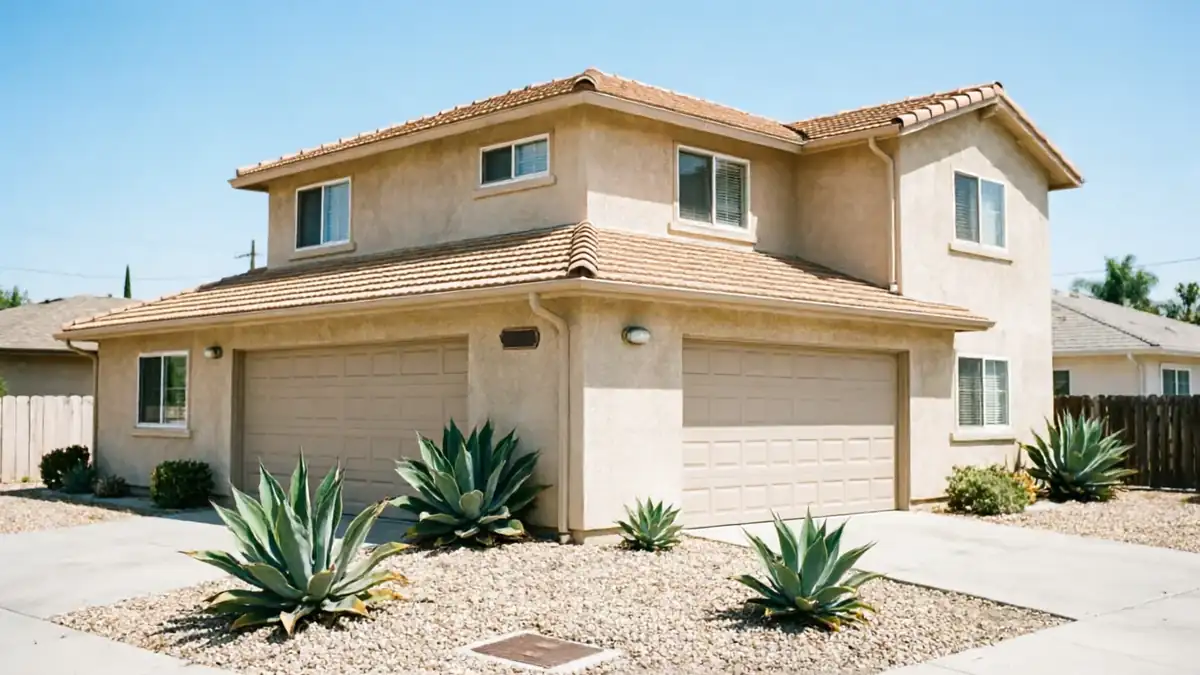
Opener installation for Malibu homes built mostly 1967-1997, matched to original hardware and the coastal climate across the service area Westlake Village.
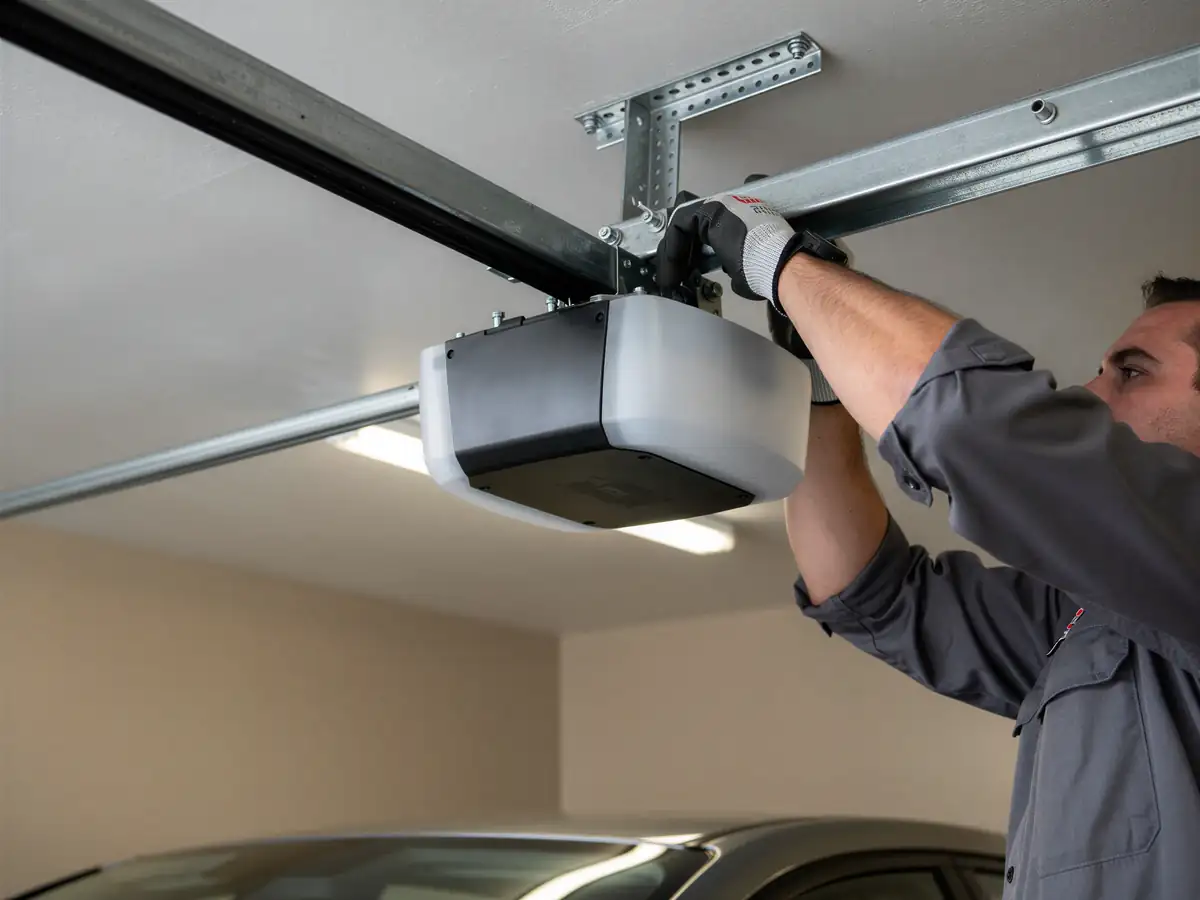
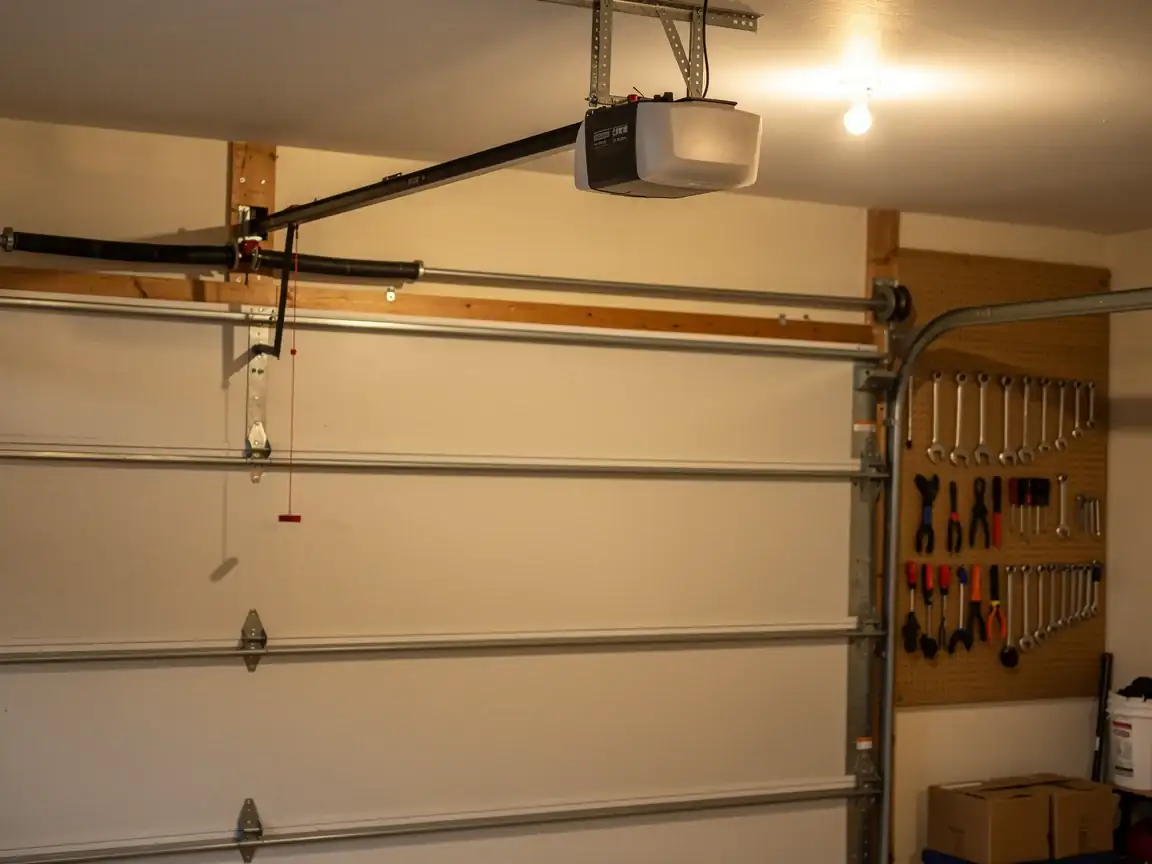
A new opener comes with a wiring diagram and a set of brackets that assume a stud pattern and header clearance that match the box it shipped in
On houses built in the 1967-1997 window that makes up most of this area's stock, that assumption often doesn't hold. Headers were framed for whatever opener bracket was standard the year the house went up, and that's rarely the same bracket a current big-box unit ships with.
02
You can absolutely mount a opener yourself if the door is a standard sectional on a straight track with a header that gives you clearance
The instructions cover that case well. Where it gets harder is the travel limit and force settings - get those wrong on an older door with a heavier wood or early steel panel, and the opener will either stop short every cycle or keep driving the door into the floor, which strains the motor and eventually the gears.
03
Our limitation here, stated plainly
We don't do warranty work on openers bought elsewhere and self-installed if the install itself caused the fault. We'll still come look at it and tell you honestly whether it's a five-minute fix or something the manufacturer needs to handle. If you want it done once and done right on a house with original hardware, that's the job we're set up for.
What Can Go Wrong
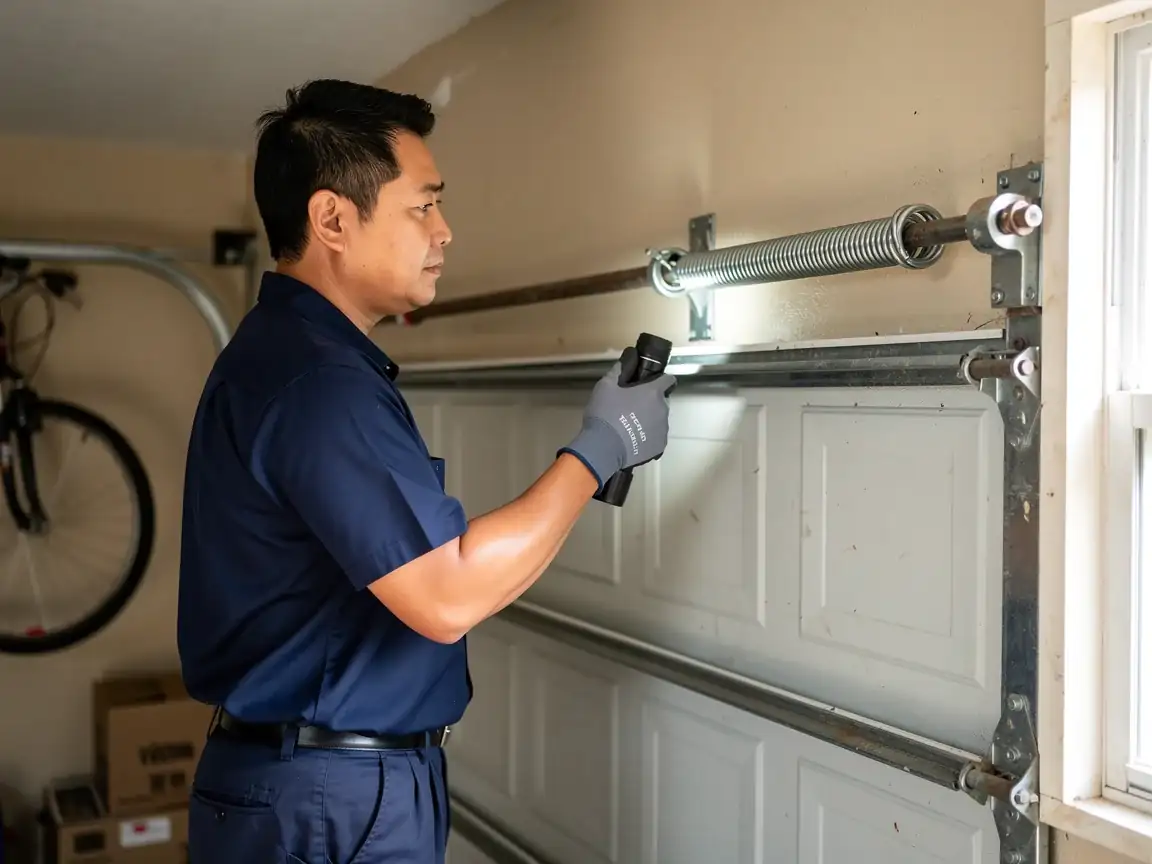
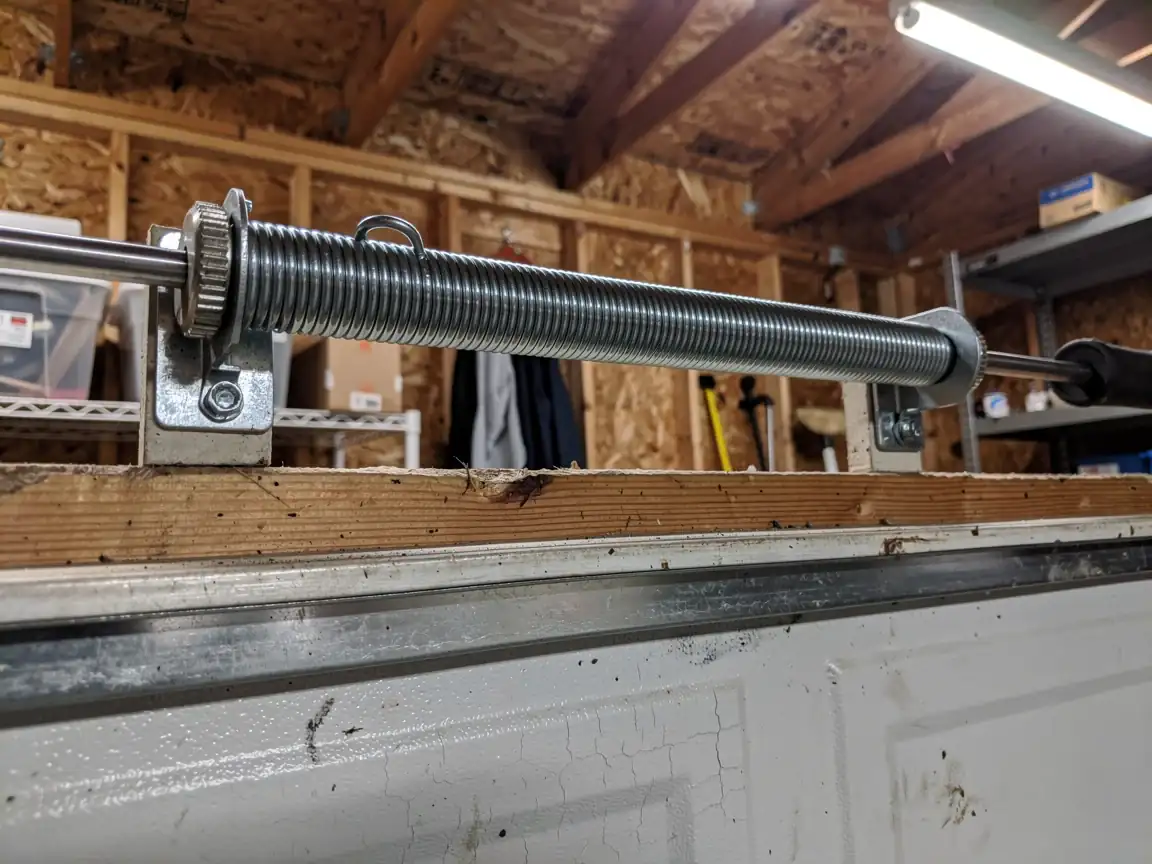
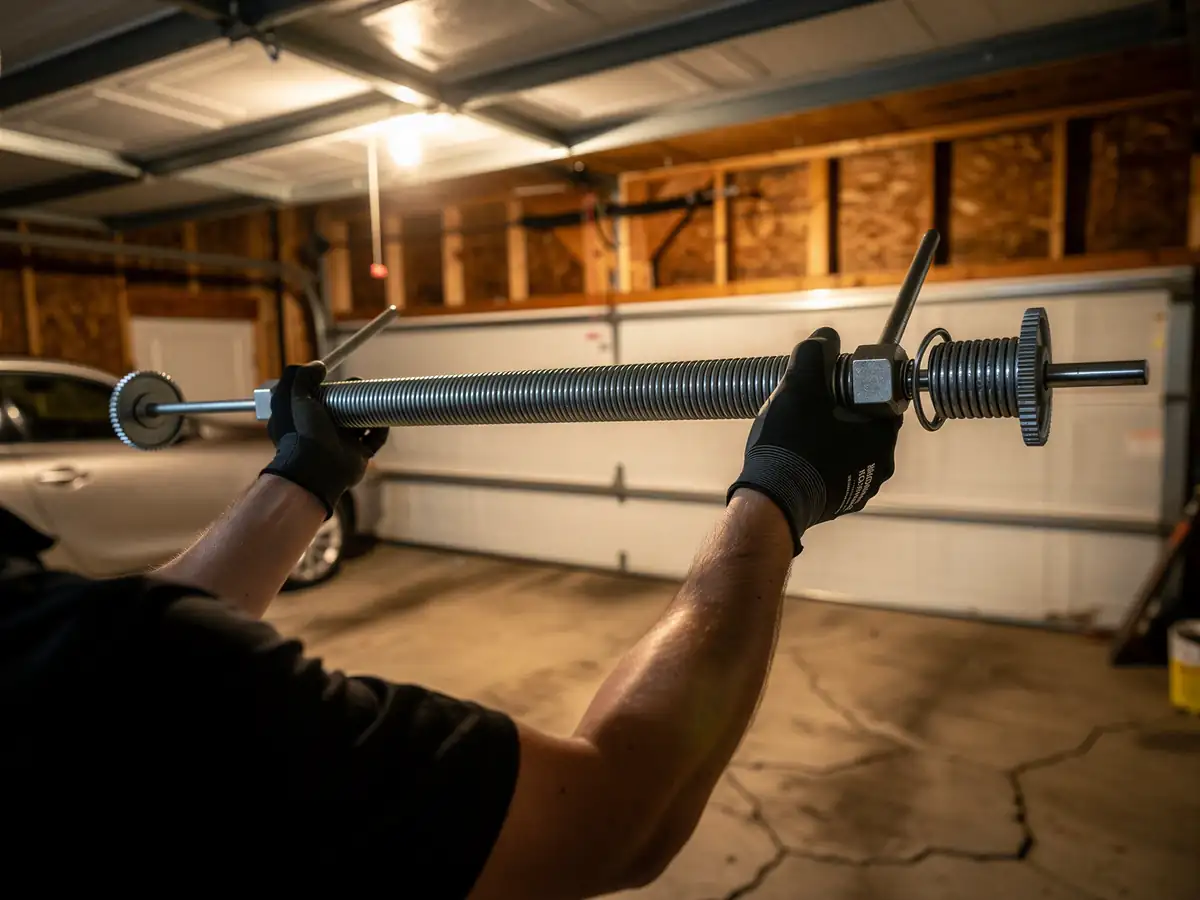
The most common failure we see on installs in this area isn't the opener itself - it's the interface between a new opener and old hardware. Houses from the 1967-1997 era, which covers most of the nine areas we work across, often still run original torsion springs or early extension spring setups. A new opener's force sensors are calibrated for a properly balanced door. If the springs have lost tension over three or four decades, the opener compensates by pushing harder, which trips breakers, burns out circuit boards faster, or strips the drive gear within a year or two.
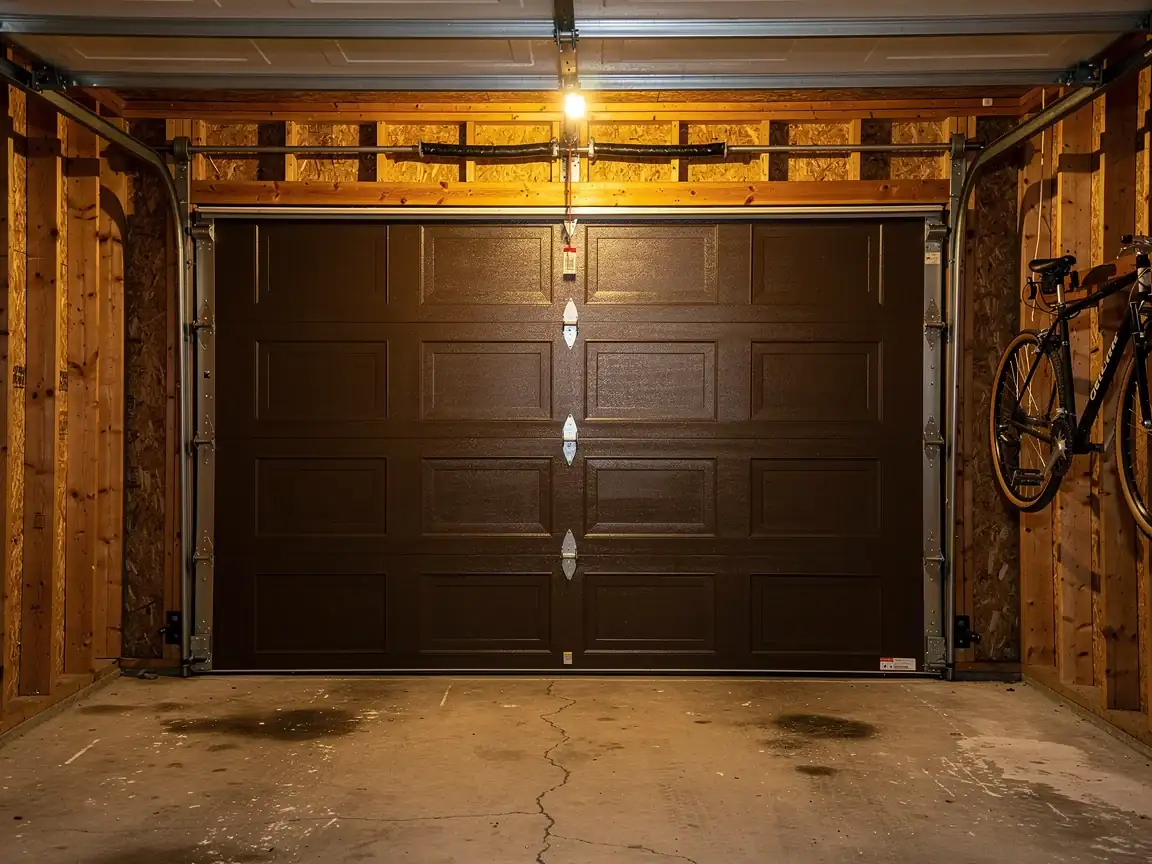
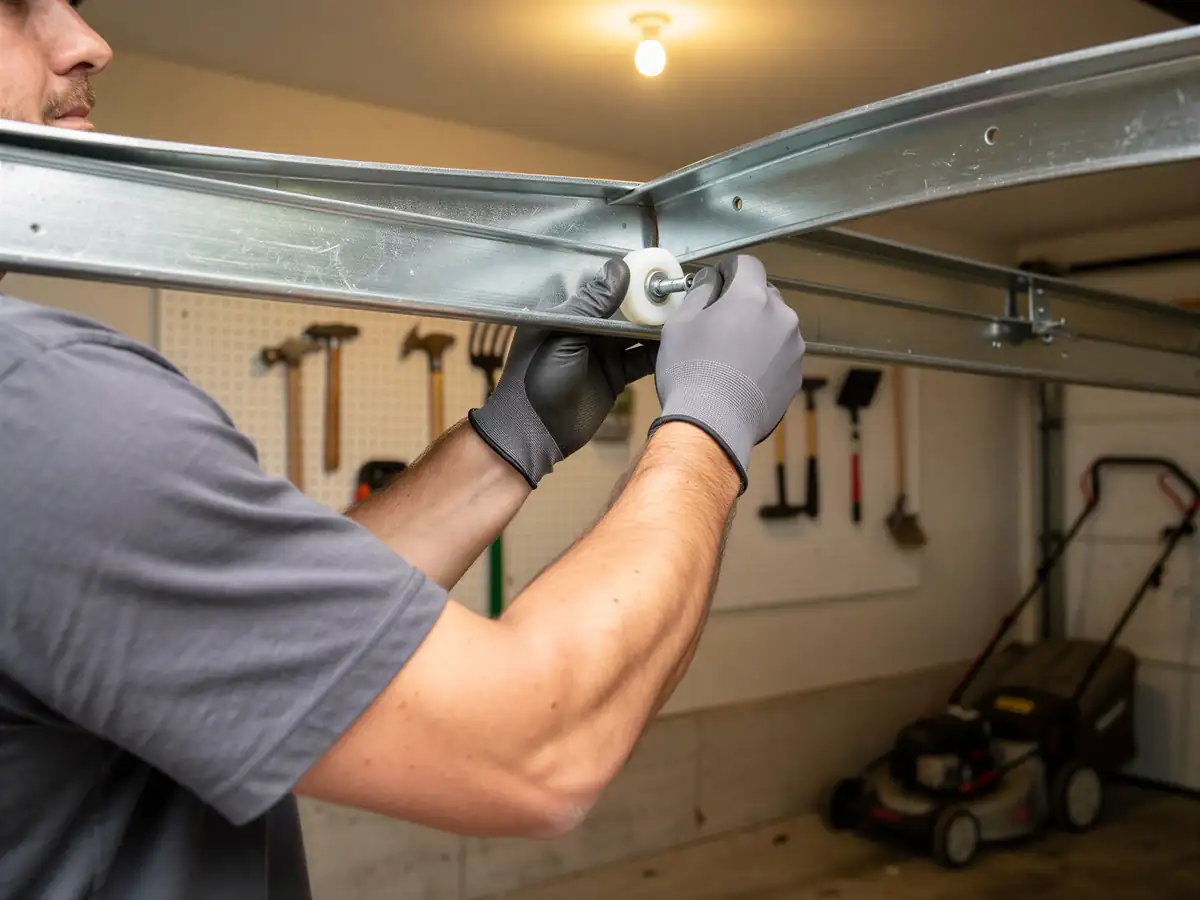
Another failure mode: mounting the rail to a header that was never reinforced for a chain or belt drive's pull, common on houses from this build era where the garage was framed as a simple carport conversion rather than a full bay. The bracket pulls loose, the rail sags, and the door starts binding mid-cycle.
We check spring balance and header condition before we touch the opener. If the door doesn't balance on its own with the opener disconnected, no opener on the market will run it reliably for long, and we'll say so before we quote the install.
How It Shows Up
You'll usually notice it in small ways before the opener fails outright. The door hesitates partway up, then the motor sounds like it's working harder than it should. Or the safety sensors start triggering for no visible reason, which on an older header with slight sag means the door isn't tracking square anymore and the opener's alignment is reading that as an obstruction.
On houses from the 1967-1997 stock common across this area, we also see openers that run fine for years and then start reversing on the way down - that's the force setting drifting as the spring loses a bit more tension each season. It's not a bad opener, it's a door that's slowly gone out of balance underneath it.
In a mild coastal climate, you don't get the temperature swings that crack plastic gears the way a harsh winter climate does, so if an opener is failing early here, it's rarely a cold-weather issue. It's almost always mechanical - alignment, balance, or a header that's flexing under load.
Why It Happens Here
01
Across this service area, the housing stock is concentrated in a narrow window
Built mostly between 1967 and 1997, median around 1979, and largely 1960s-70s construction once you look at the nine named areas together. That means a large share of the roughly 9,700 owner-occupied houses here are old enough that their original garage hardware predates the opener technology now sold to replace it. A homeowner buying a new opener today is pairing current electronics with a door and track system that's 30 to 50 years old.
9,700 owner-occupied
50 years
02
The mild temperate climate here helps in one way
You're not dealing with the ice-and-thaw cycles that warp tracks or the extreme heat that degrades belt drives fast. That's a real advantage and it means a properly installed opener on a balanced door can run a long time without climate-driven wear.
03
What it doesn't fix is the mechanical mismatch
New opener, old spring, old header - the opener is the part most likely to show the strain first, simply because it's the part with electronics that can fail outright instead of just wearing slowly like a spring or a roller does.
How it works
From “it’s stuck” to “it’s fixed”
1
Tell us what’s wrong
Describe the symptom - won’t open, loud bang, opener runs but the door won’t move.
2
On-site diagnosis
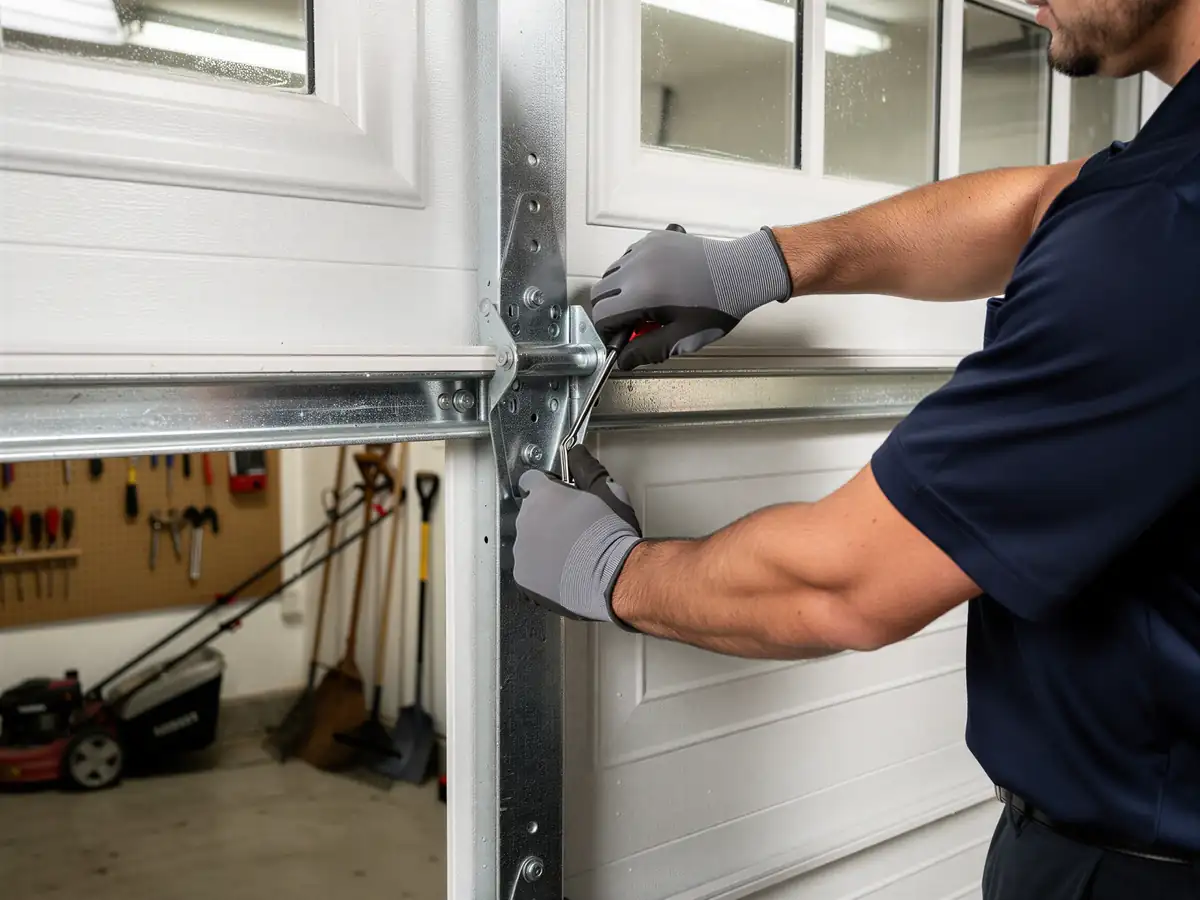
A technician tests the door under power and by hand and finds what actually failed.
3
Clear, up-front plan
You get the fix that’s needed and what drives the cost - before any work starts.
4
Repaired & tested
The repair is done, the door is set true and tested, and the work area left clean.
Not sure which repair your door needs in Malibu, CA? Describe what it’s doing - every job starts with a diagnosis.
Straight answers about garage door repair in Malibu. Still unsure? Ask us directly.
Can my old garage handle a new opener without other work?
Sometimes. If the door still balances correctly when you lift it by hand with the opener disconnected, and the header is solid, a new opener is a straightforward swap. If the door is heavy on one side or the header flexes when you push on it, we'll flag that before installing, because the opener will take the strain otherwise.
Do you install openers bought from somewhere else?
We'll quote installing a opener you've already bought, but we can't warranty the install against a defect in the unit itself - that's between you and the manufacturer. We'll tell you upfront if the model you've chosen is a poor match for your door's weight or track type.
Why does my opener reverse on the way down for no reason?
Usually it's not the opener - it's the door's spring tension drifting out of balance, which the opener's force sensors read as an obstruction. On older hardware common across this area, that's a gradual process, so the opener often gets blamed for a spring problem.
Does the coastal climate here affect how long an opener lasts?
Less than you'd think. The mild temperate climate in this area doesn't put openers through the freeze-thaw or extreme heat cycles that shorten belt and gear life elsewhere. Most early failures we see here trace back to door balance or header mounting, not weather.