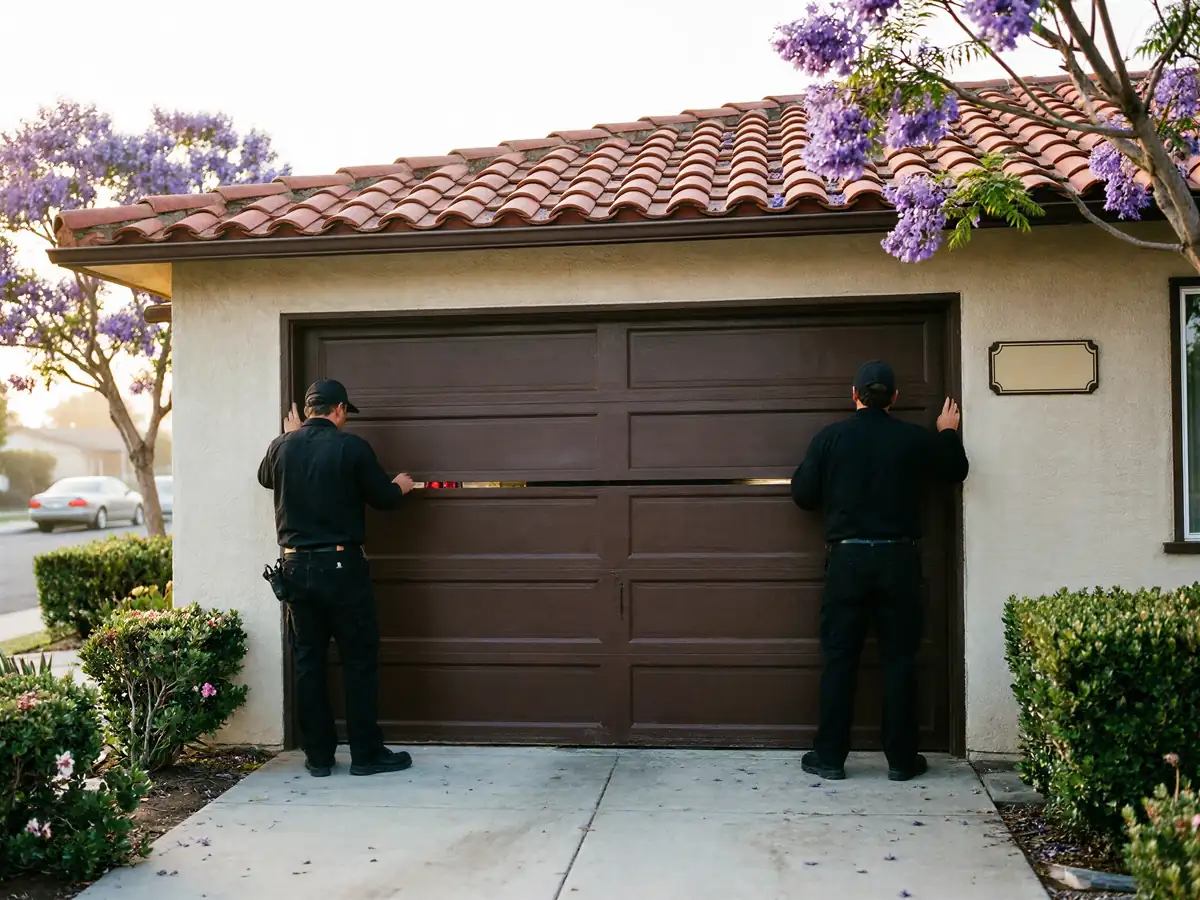
Malibu Garage Door Pros services homes built mostly between 1967 and 1997, fixing worn springs, openers, and tracks on original hardware that's decades old.
There's a short list of things you can safely do before calling anyone
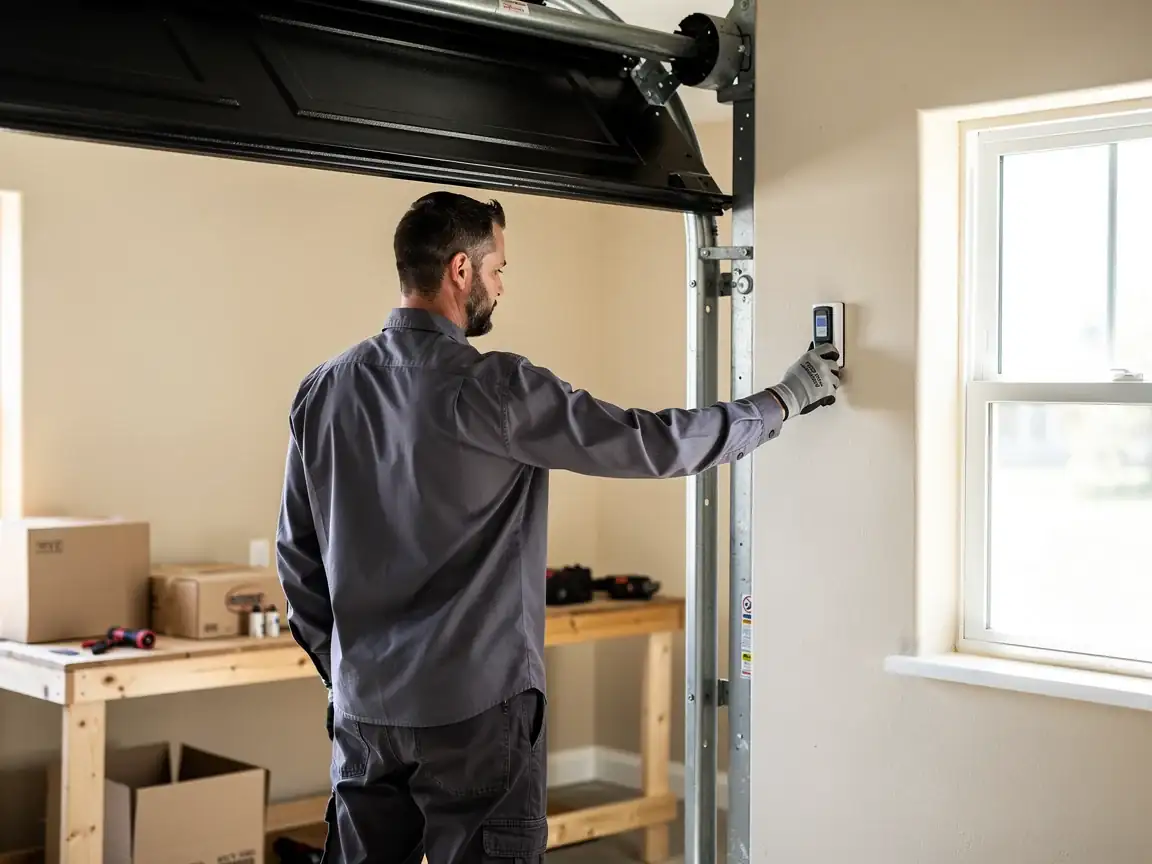
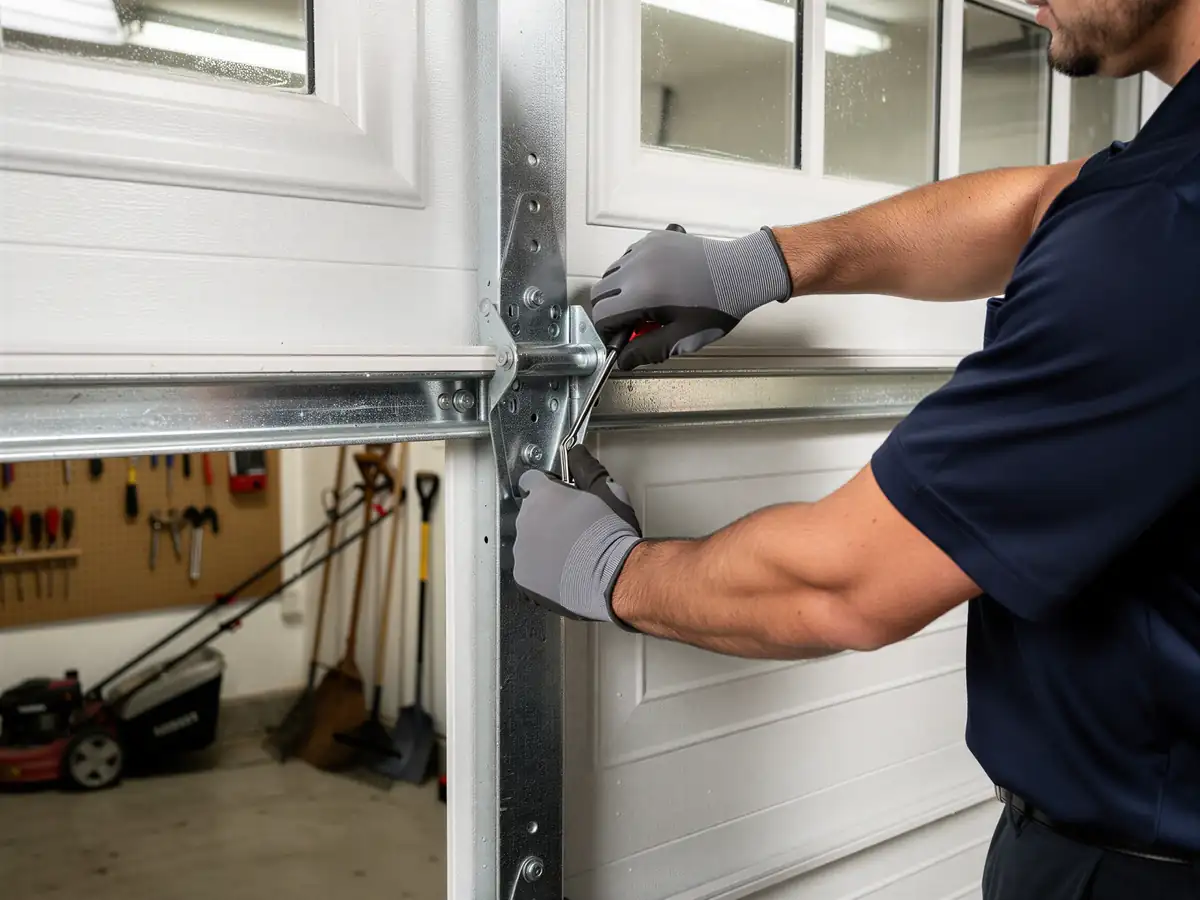
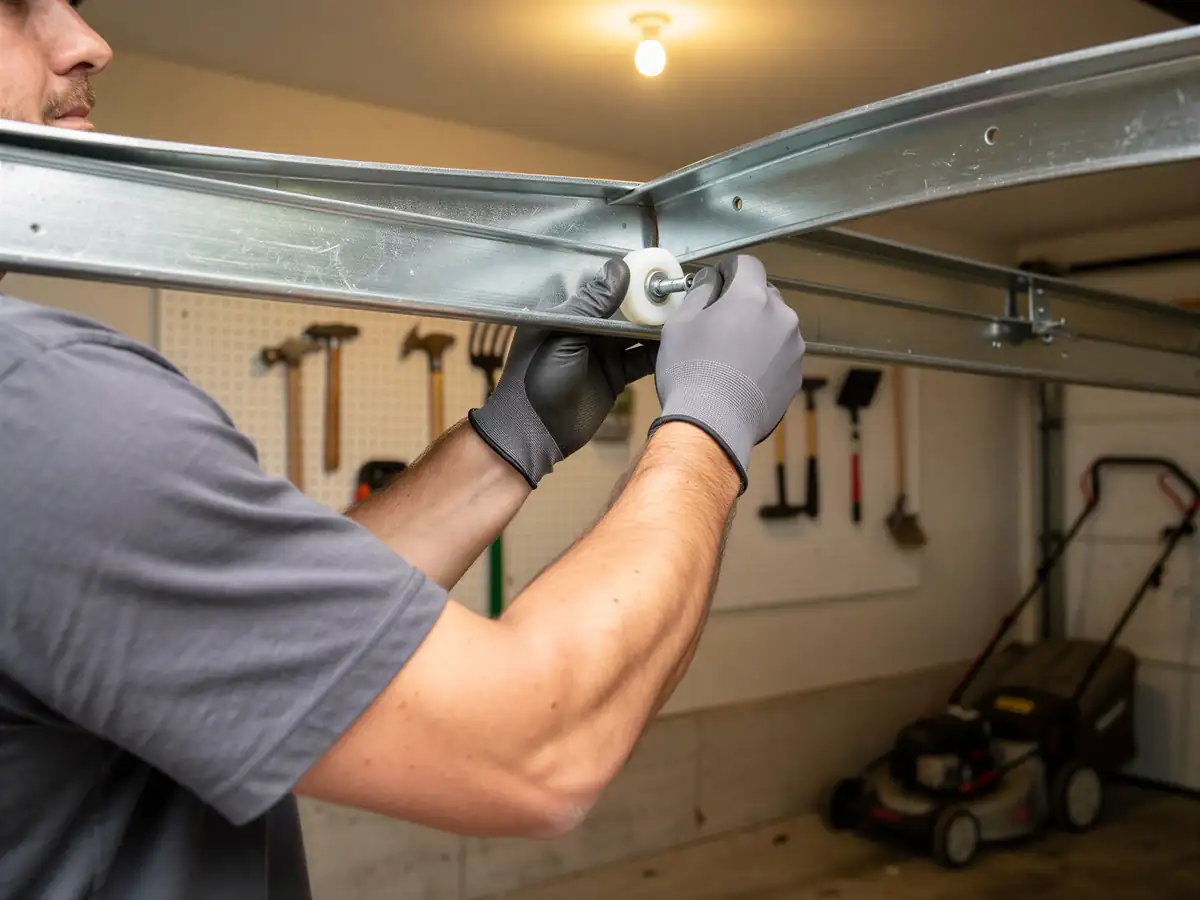
Wipe down the tracks and look for bent sections or loose brackets. Spray the rollers and hinges with a light lithium grease twice a year - not WD-40, which washes out and attracts grit. Check that the photo-eye sensors near the floor are clean and aimed at each other, and test the door's auto-reverse by setting a 2x4 flat on the ground under it and running it down.
02
What you shouldn't touch is the spring system
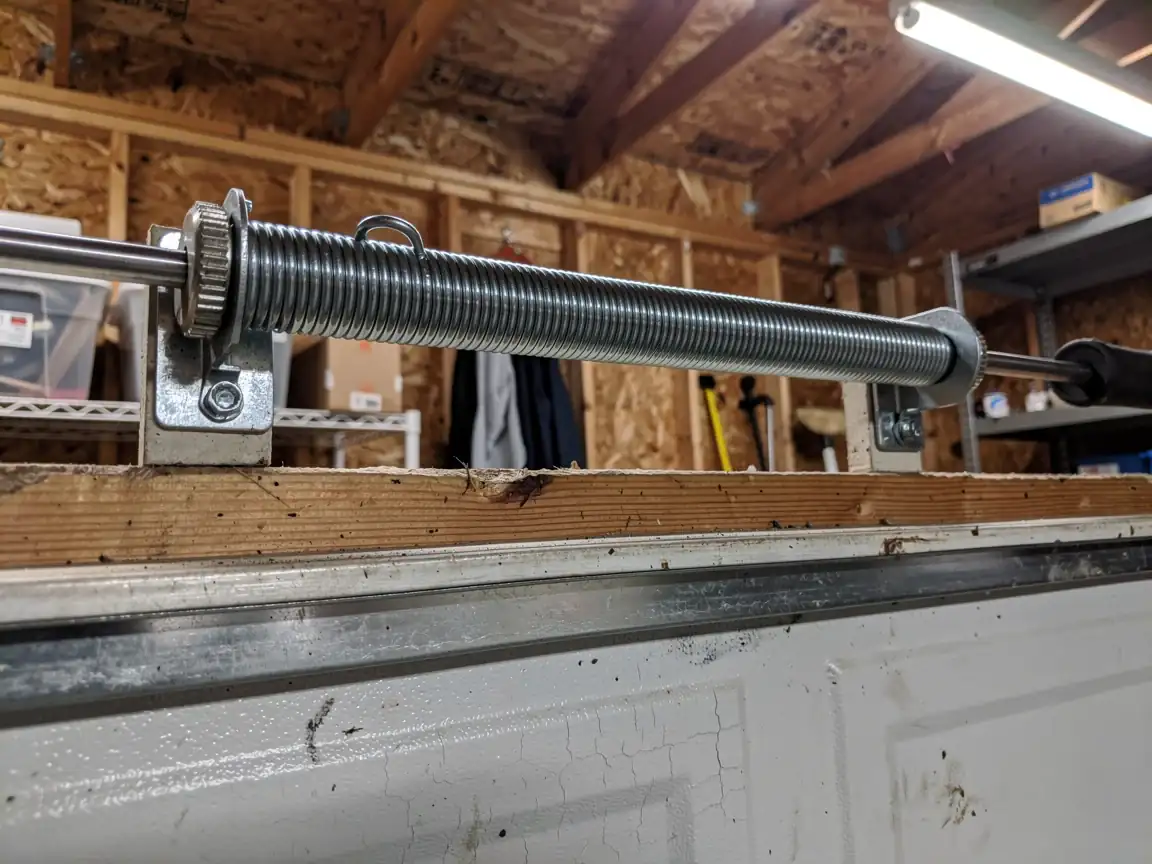
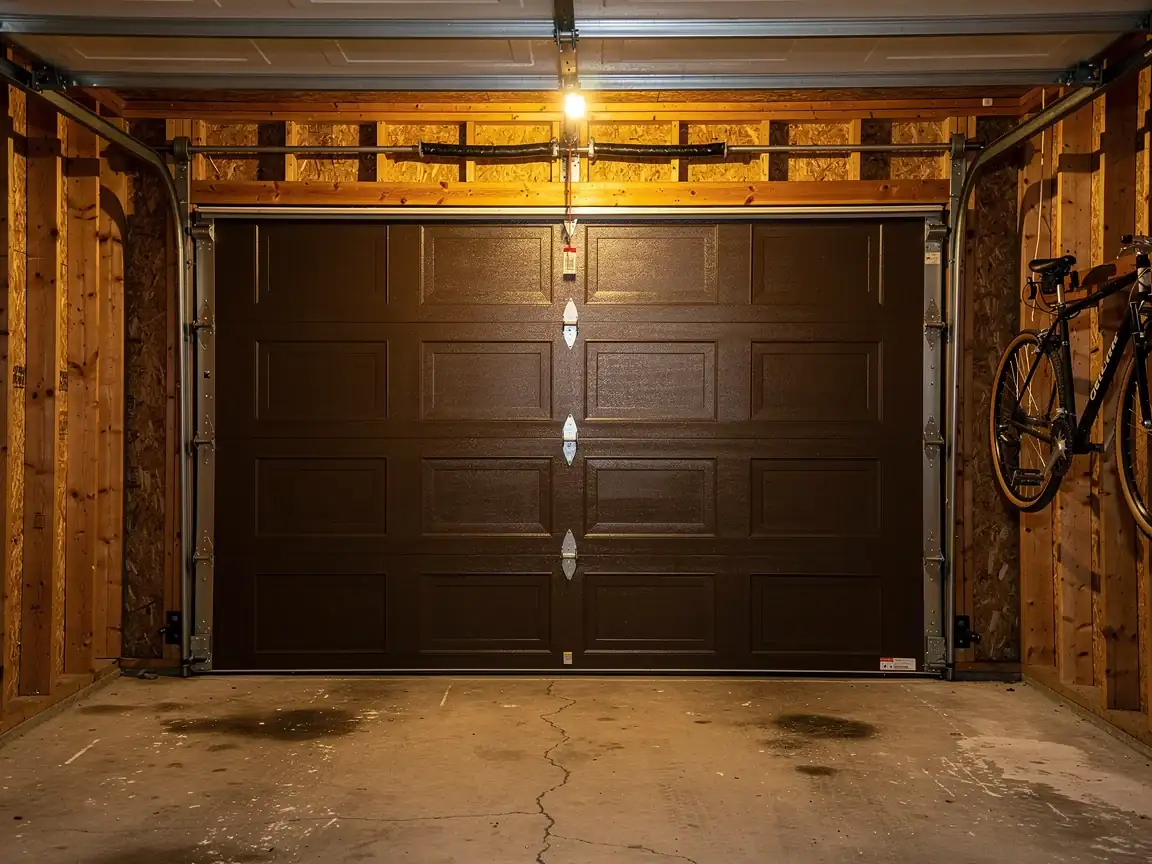
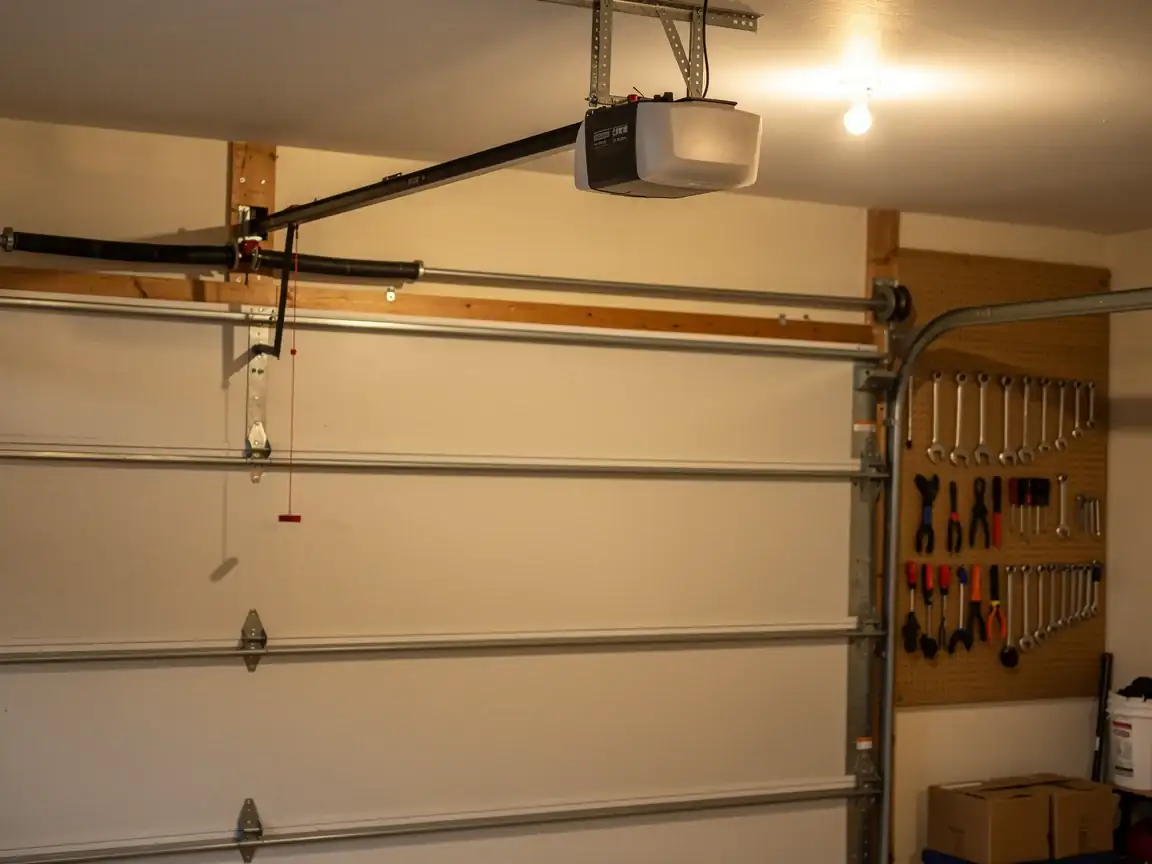
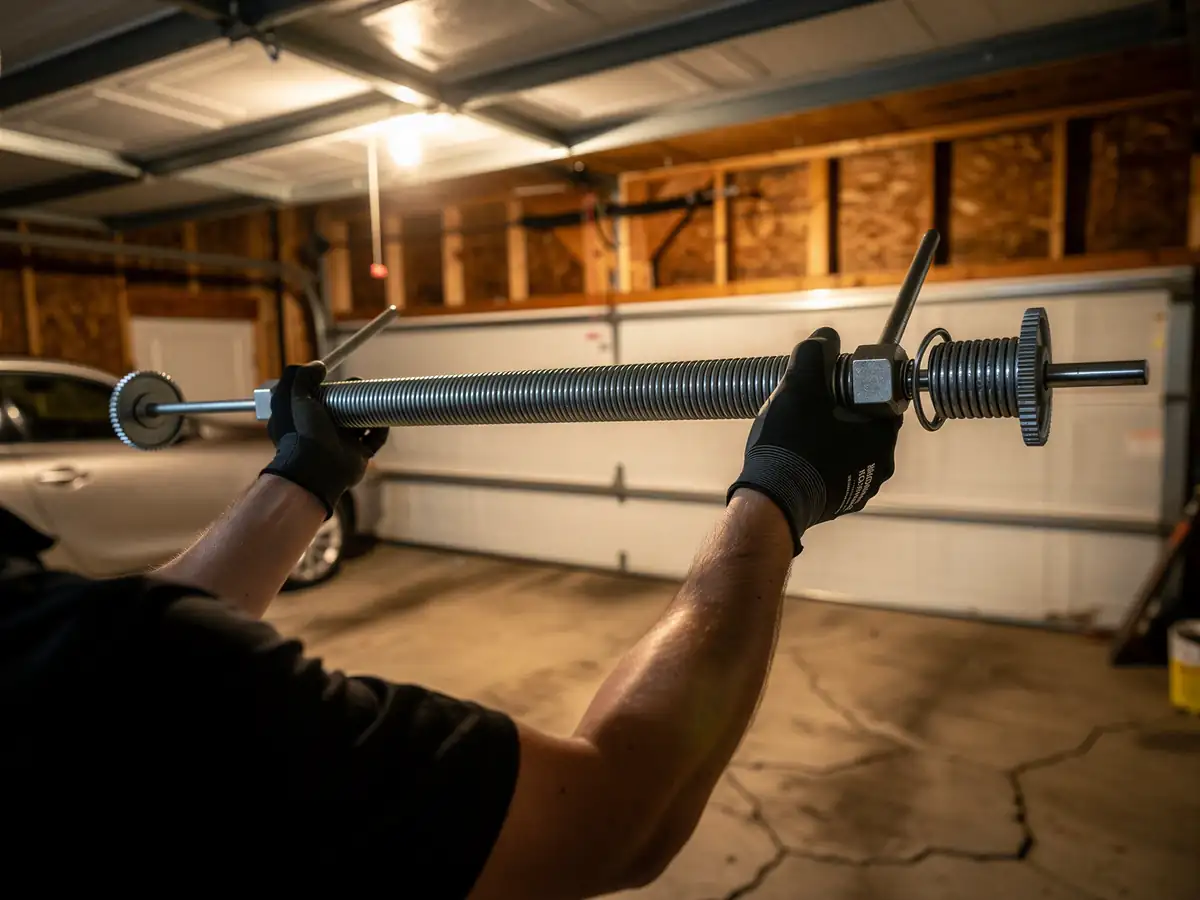
A wound torsion spring holds enough stored force to break a wrist or worse if the winding cone slips, and that's true whether it's a single spring on a lighter door or the paired setup on a wider one. If you hear a loud bang from the garage and the door won't budge, that's almost always a broken spring - leave the door down, disconnect the opener if you can reach the release safely, and call it in. Tightening the visible hardware, lubricating moving parts, and watching for early warning signs is where DIY should stop on this job.
What Can Go Wrong
Across the service area's 9,734 owner-occupied houses, the garage door hardware installed when a house was built between 1967 and 1997 is often still the hardware in use today. Torsion springs are rated for a cycle count, not a calendar date, and a spring installed when a house went up in the late 1970s has usually gone through several times its rated life by now - it doesn't fail gracefully, it fatigues and snaps.
Houses from the earlier end of that build range sometimes still run extension springs without a containment cable running through the coil, a setup that predates later safety requirements and that we replace outright rather than patch. Openers from that era commonly use a worn drive gear or a stretched chain, which shows up as a door that jerks partway through its travel. Plastic rollers original to a 1970s or 1980s installation have usually gone brittle and chipped by now, throwing the door off its track under load.
How It Shows Up
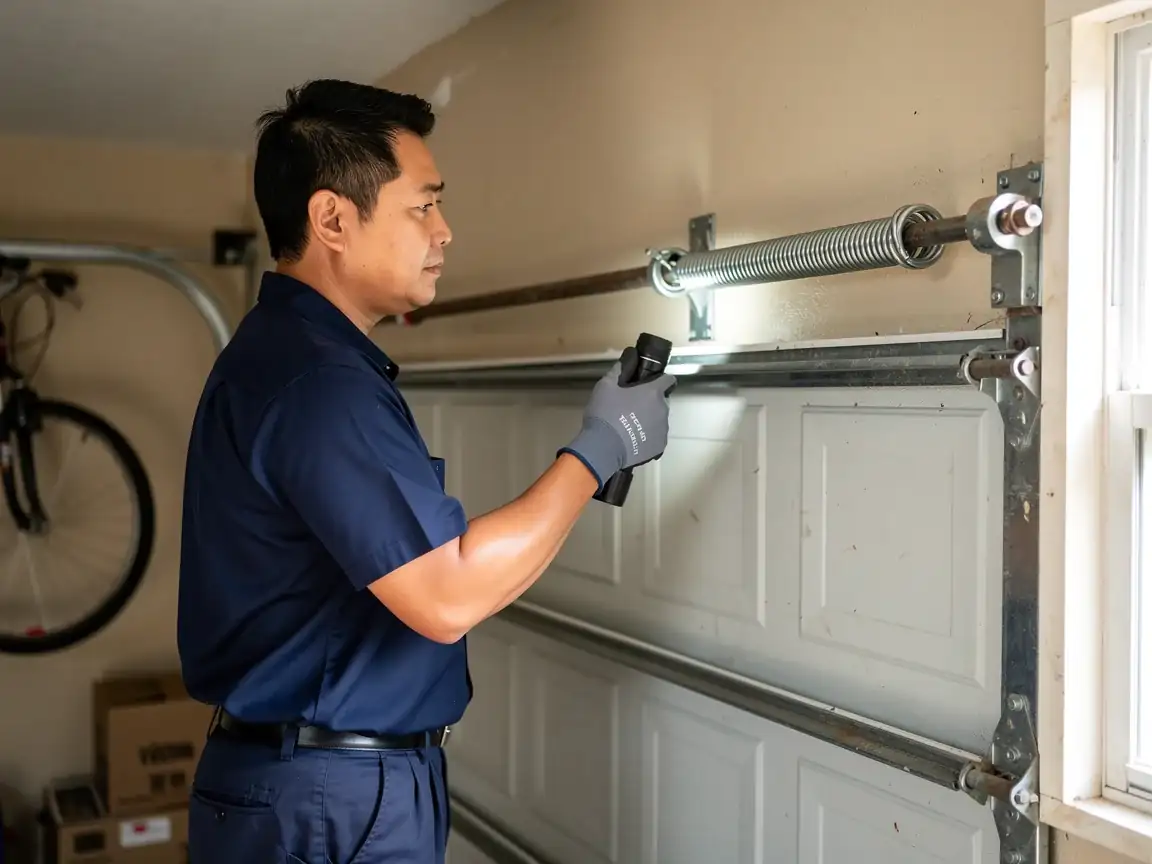
A fatigued spring usually gives some warning before it lets go completely: the door feels heavier to lift by hand, the opener strains and groans partway up, or the door hangs crooked when it's half open because one spring is carrying more load than the other. Once it breaks, the door either won't lift at all or drops fast when the opener tries to raise it.
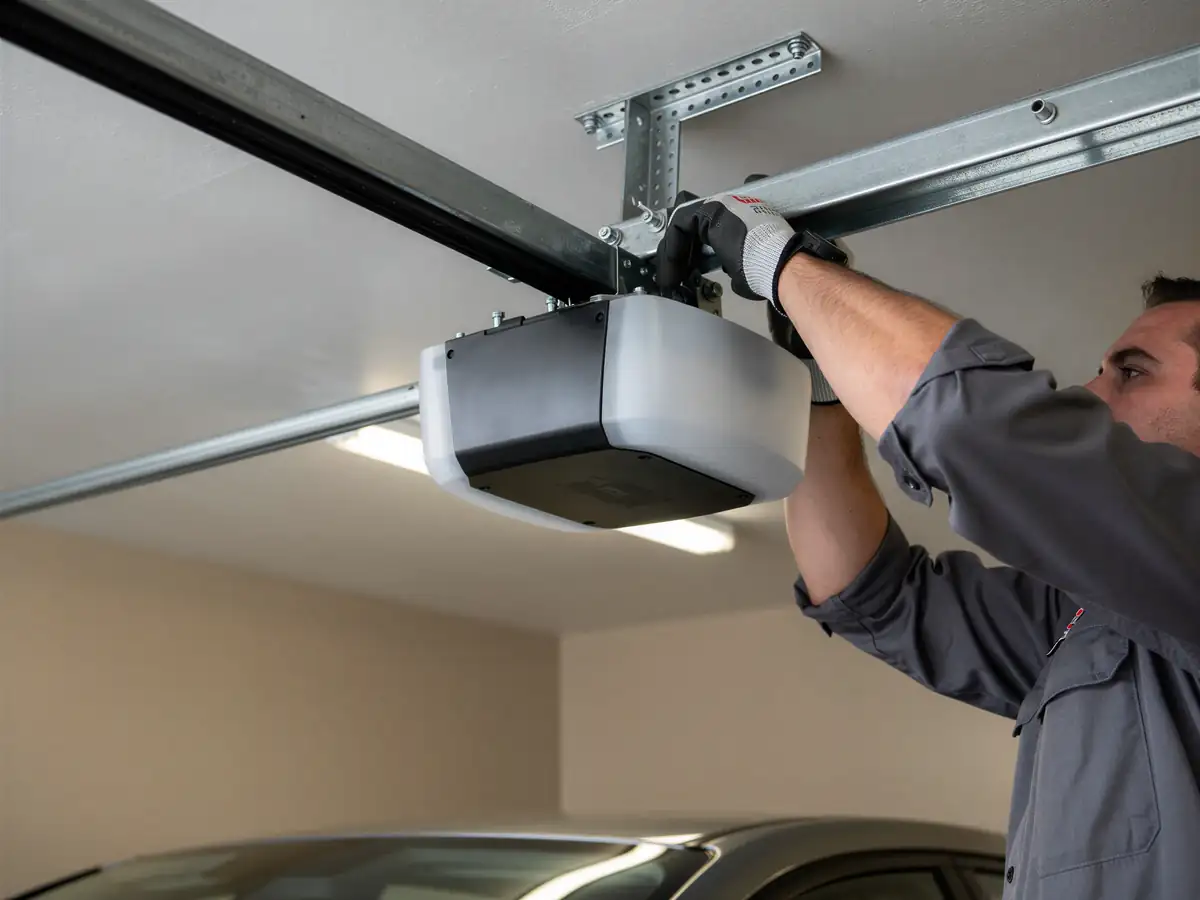
Worn rollers or a stretched chain show up as noise before anything else - a grinding or clunking as the door travels, or a visible jump where the roller catches at the same spot every cycle. An opener with a tired gear set will sometimes run the motor without moving the door, or trip the safety reverse for no obvious reason. If the door reverses right before it touches the floor, check the sensors first, but on an older installation it can also mean the limit settings have drifted as the gear wears.
Why It Happens Here
01
Housing across this area runs mostly 1960s and 1970s stock
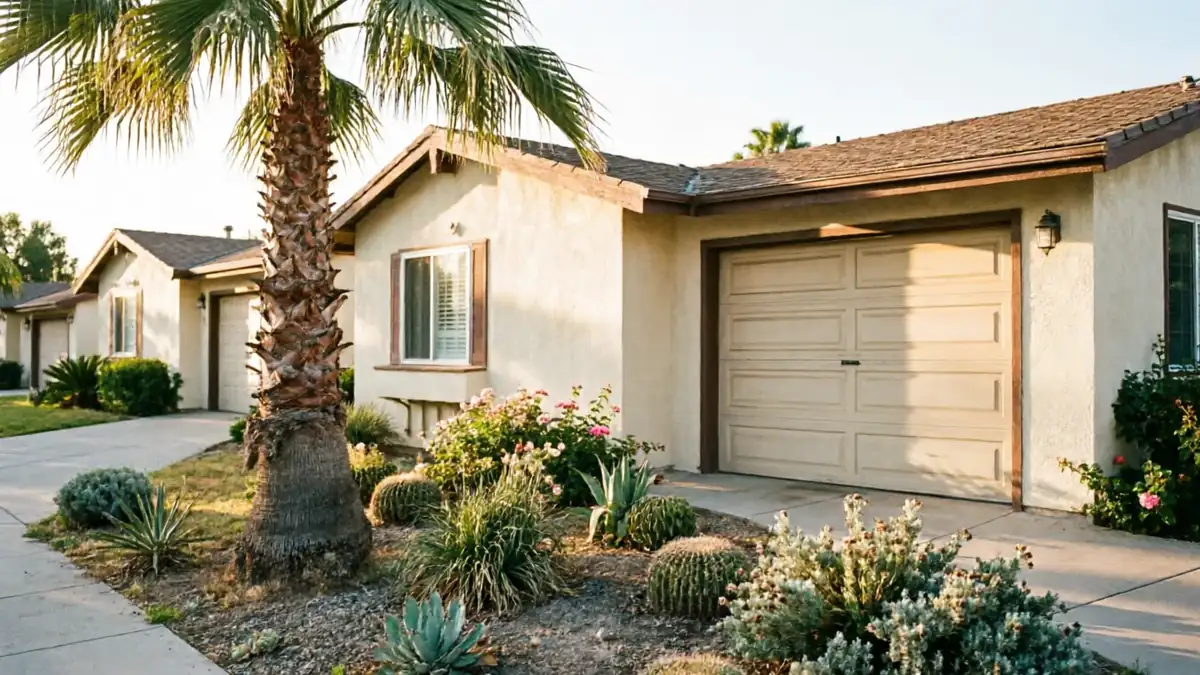
With a median build year of 1979, spread across the nine named areas that make up the service footprint. That puts a large share of the original garage door hardware - springs, openers, rollers - at 45 to 55 years old, well past any reasonable service life regardless of how well it's been kept up.
55 years
02
The climate band here is mild temperate, without the hard freeze-thaw cycles that stress metal and crack grease in colder regions
That's actually a point in this area's favor: failures here are driven almost entirely by age and cycle count rather than weather extremes, which makes them more predictable but no less certain. A door that's been opened twice a day since a house was built in the late 1970s has gone through tens of thousands of cycles, and the mild weather hasn't slowed that math down.
How it works
From “it’s stuck” to “it’s fixed”
1
Tell us what’s wrong
Describe the symptom - won’t open, loud bang, opener runs but the door won’t move.
2
On-site diagnosis
A technician tests the door under power and by hand and finds what actually failed.
3
Clear, up-front plan
You get the fix that’s needed and what drives the cost - before any work starts.
4
Repaired & tested
The repair is done, the door is set true and tested, and the work area left clean.
Not sure which repair your door needs in Malibu, CA? Describe what it’s doing - every job starts with a diagnosis.
Straight answers about garage door repair in Malibu. Still unsure? Ask us directly.
How old does a garage door spring usually get before it breaks?
It's about cycles, not years, but on a house built in the 1960s-70s stock common to this area, the original spring has usually been through decades of twice-daily use. Once it fatigues, it tends to go without much warning - a loud bang and the door won't lift. If your house dates to that era and the spring has never been replaced, treat it as due.
Can I replace a garage door spring myself?
We'd rather you didn't. A wound torsion spring stores enough force to cause serious injury if the winding cone slips while you're working on it. Lubrication, hardware tightening, and checking the auto-reverse are fine to do yourself. The spring itself is a call-in job.
Why does my opener run but the door doesn't move?
On an older opener, that's usually a worn drive gear or a stripped section of the belt or chain - common once an opener has been in service for a couple of decades. It means the motor has nothing to grab onto anymore. It's a part replacement on the opener, not a full unit swap, in most cases we see.