Garage Door Care for Malibu's 1970s and 80s Housing Stock
Malibu's housing stock dates mostly to 1967-1997, and the mild coastal climate changes what actually wears out a spring or opener here. Straight talk on when to wait and when to call.
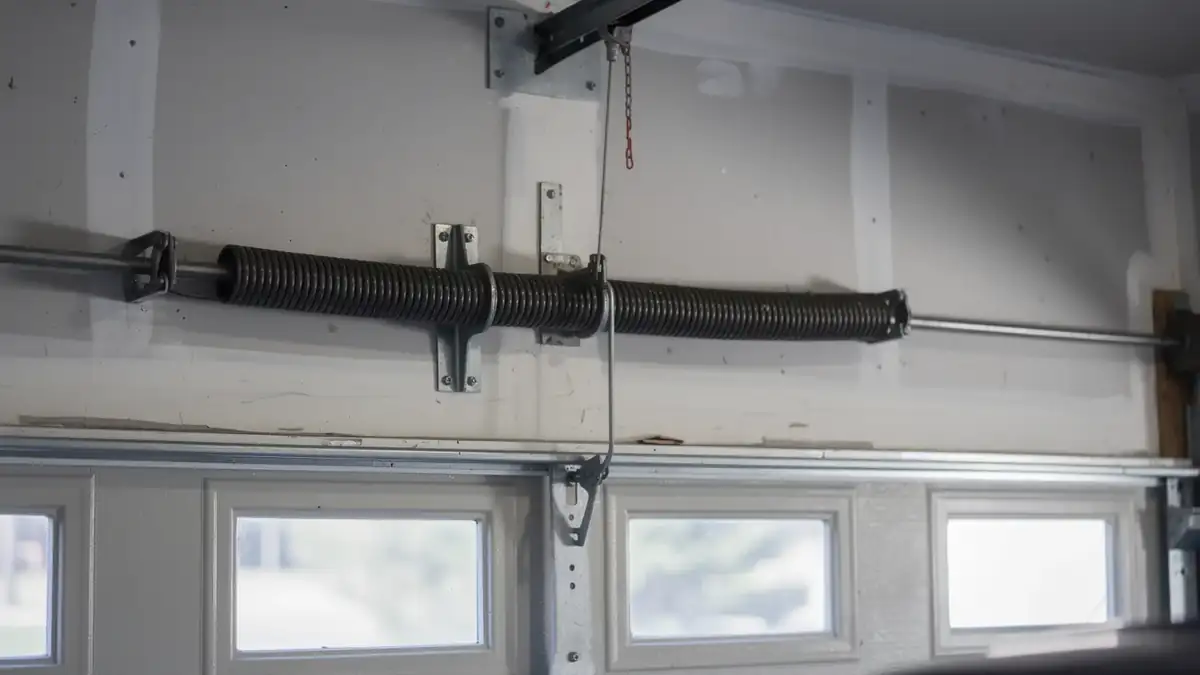
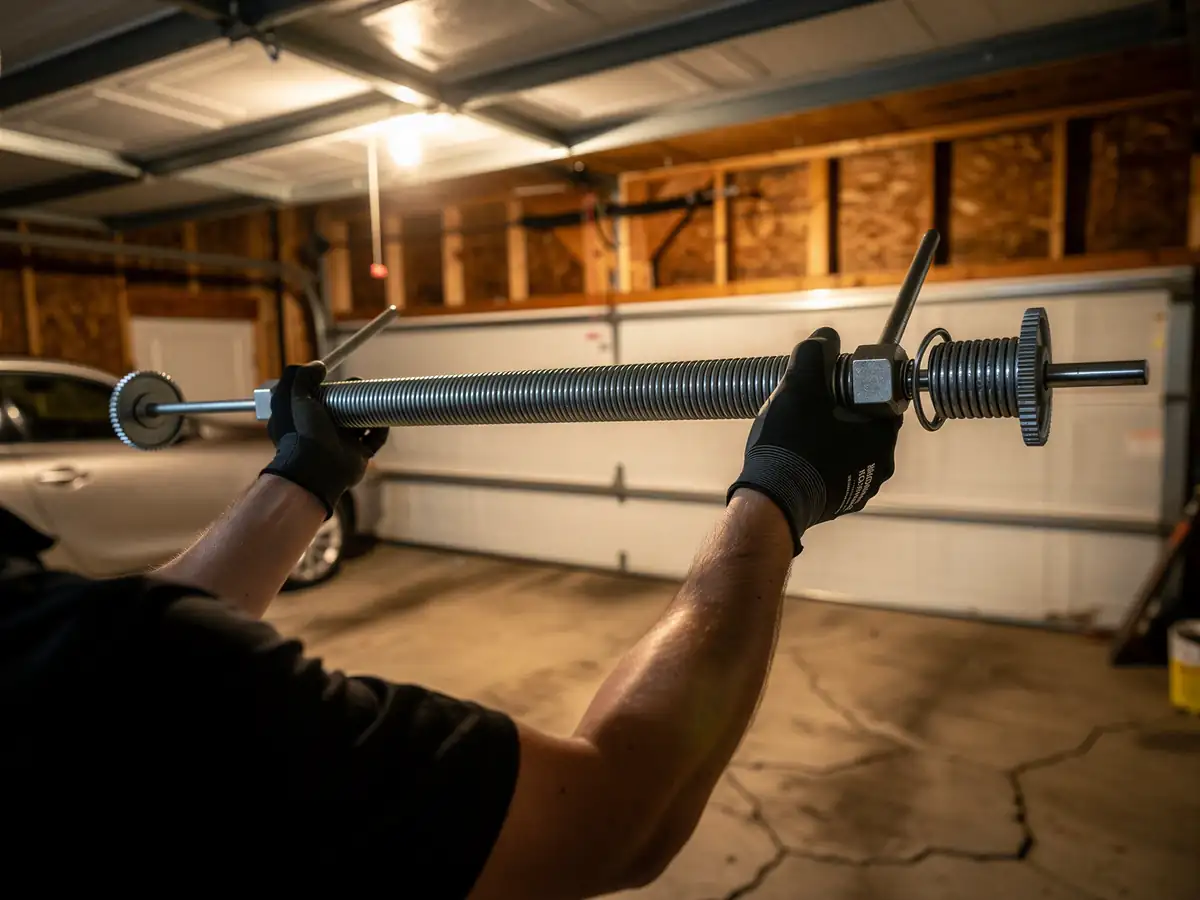
If your door is opening and closing fine, you don't need to do anything right now. That's true even if you've heard a spring tick or seen a little rust on a bracket. Most of the housing across Malibu and the nearby areas - - went up between 1967 and 1997, with a lot of it clustered around 1979. A torsion spring on a door from that era has usually been replaced at least once already, sometimes twice, and a quiet replacement doesn't need a follow-up call. Waiting costs you nothing as long as the door is balanced and the cycle count hasn't been unusually high. Where waiting does cost you is when a spring is visibly stretched, a cable is frayed, or the door has started dropping fast on the way down. Those aren't wait-and-see signs. Everything else - a little noise, a slightly slower close, a panel that's faded from sun exposure - can sit until it bothers you enough to call, not before.
What Local Conditions Do
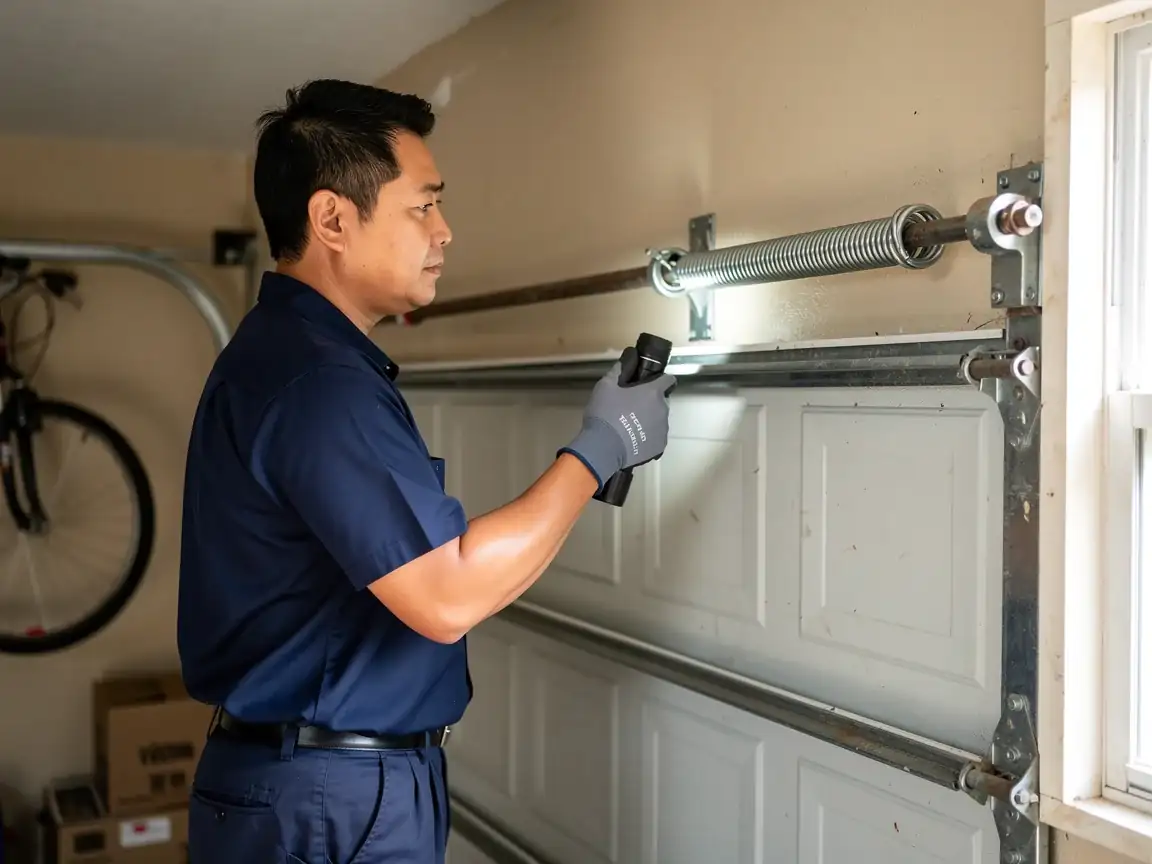
Malibu sits in a mild temperate band, and that changes the failure pattern compared to places that get hard freezes. Cold doesn't stiffen the steel here the way it does inland, so you're less likely to get the classic cold-snap spring snap that shows up elsewhere. What you do get is salt air and marine moisture working on hardware year-round, which shows up as surface rust on springs, hinges, and track bolts well before the metal itself is actually failing. On a house built in the 1979 range, that slow corrosion has had four decades to work. It doesn't mean replace on a schedule - it means don't assume a spring that looks a little rough is about to go, and don't assume one that looks clean isn't close to its cycle limit either. The honest answer is that in this climate, looks are a weaker indicator than they are in drier, colder regions, so we go by cycle count and tension, not rust color.
The Situation
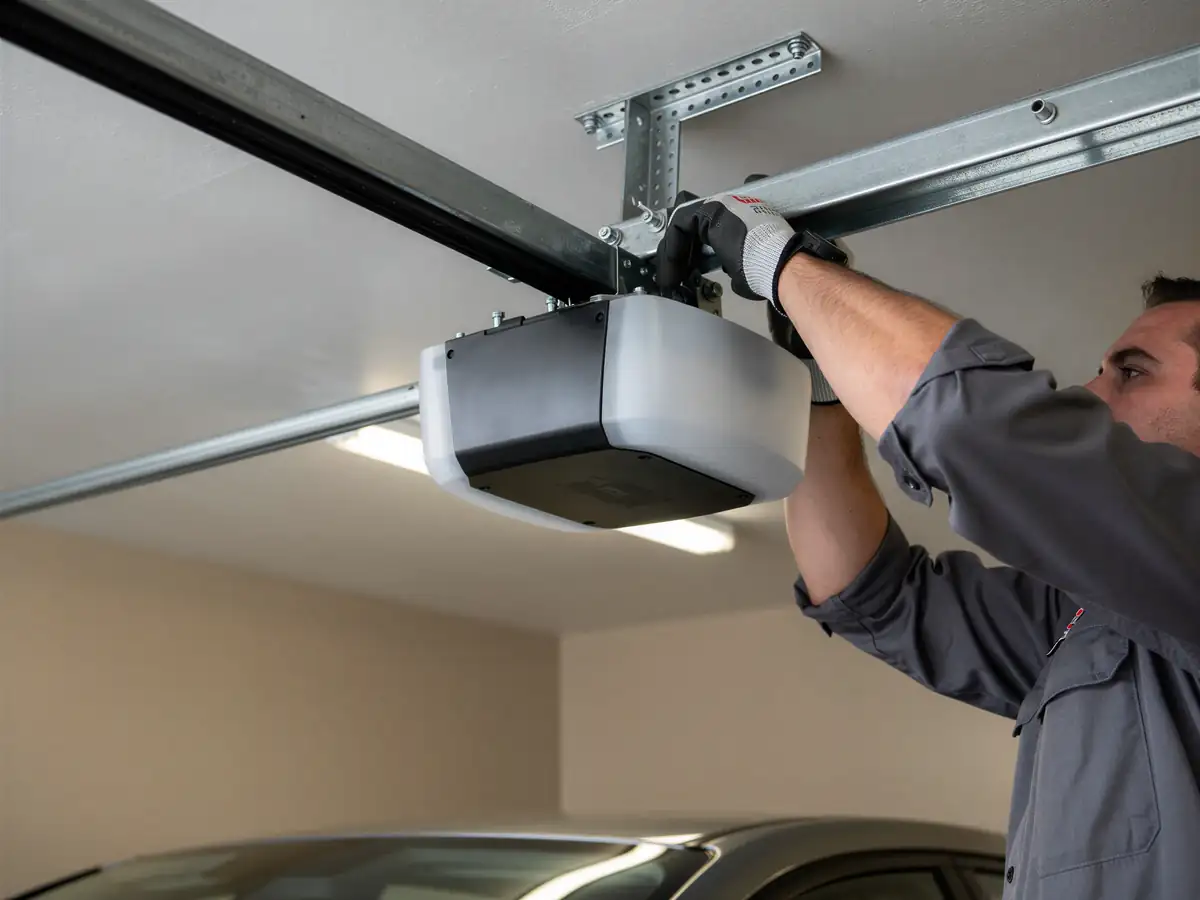
Across the service area there are roughly 19,499 households and about 9,734 owner-occupied houses, concentrated in nine named pockets built mostly in the 1960s and 70s. That matters for one practical reason: a lot of these doors and openers are original or close to it, and parts for openers from that era aren't always sitting on a shelf. We've run into gear sets and circuit boards for older chain-drive units that take time to source. If your opener is from a remodel in the 80s or 90s, expect a short wait on some parts rather than a same-day fix. Median household income in the area runs high, around $174,069, and that does mean more owners choose full replacement over patching an old unit once a second or third part fails - it's often the more sensible math here than it would be elsewhere. Neither choice is wrong. It depends on how many things are wearing out at once, not just the one that failed today.
When to Get Help
Call when the door won't stay up on its own, when a cable has started to fray, or when you hear a loud bang - that's usually a spring letting go, and it's not a job to finish yourself. Also call if the opener strains and reverses partway through a cycle; on an older unit that's often a motor or gear nearing the end, not a sensor glitch. Given the mild weather here, a spring going out is rarely tied to a specific cold night like it would be further inland - it's almost always just cycle fatigue catching up with a decades-old house. We don't recommend DIY spring work regardless of climate; the tension involved is the same no matter how mild the winter was.
Straight answers about garage door repair in Malibu. Still unsure? Ask us directly.
Do garage door springs fail more in Malibu's winter?
Not the way they do in colder climates. Malibu's mild temperate weather doesn't stiffen steel the way a hard freeze does, so spring failures here track more with cycle count and age than with any particular cold snap.
My house was built in the late 70s - is the opener original?
It's possible. A lot of housing in the area dates to the 1967-1997 range with a median around 1979, so original or early-replacement openers aren't unusual, and parts for those older units can take a bit longer to source.
Should I worry about rust on my spring from the ocean air?
Surface rust from marine air is common here and doesn't automatically mean a spring is failing. We check tension and cycle history rather than going by rust color alone, since looks can be misleading in this climate.
Is it cheaper to repair or replace an old opener?
Depends on what's failing. If one part goes on an older unit, repair often makes sense. If a second or third part fails within a short span, replacement usually works out better - a judgment call we make case by case.