Garage Door Repair for Malibu Homes Built Between 1967 and 1997
Garage door repair in Malibu for houses built 1967-1997 median 1979, from worn torsion springs to tired chain-drive openers. One company, one town, no guesswork.
There's real stuff you can do before calling anyone
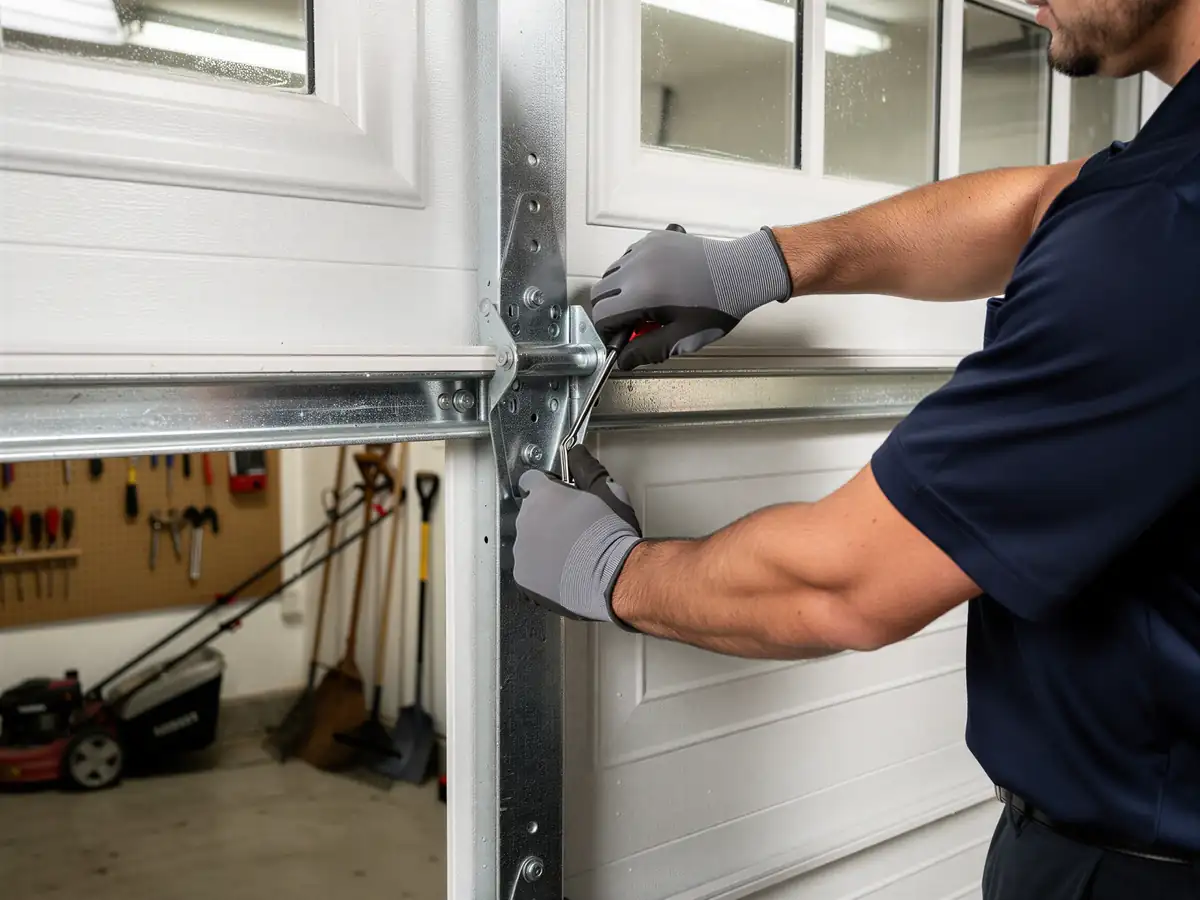
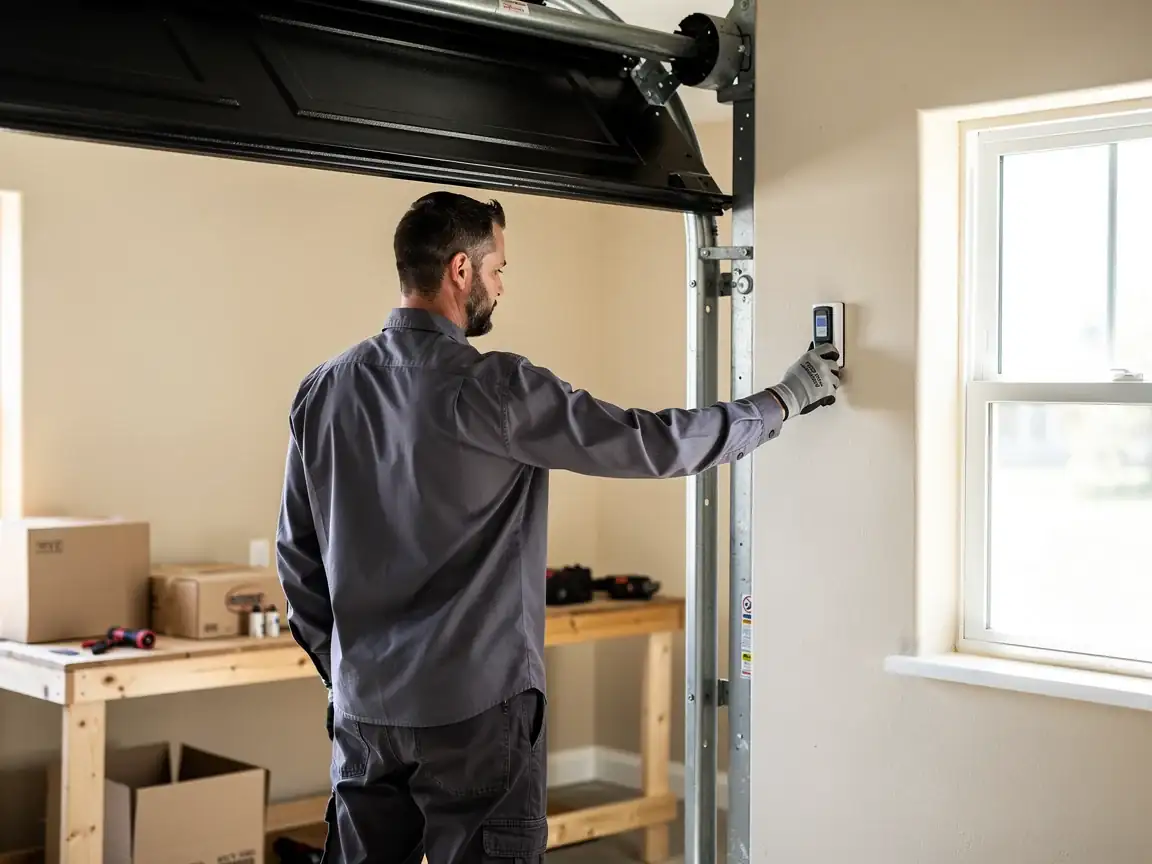
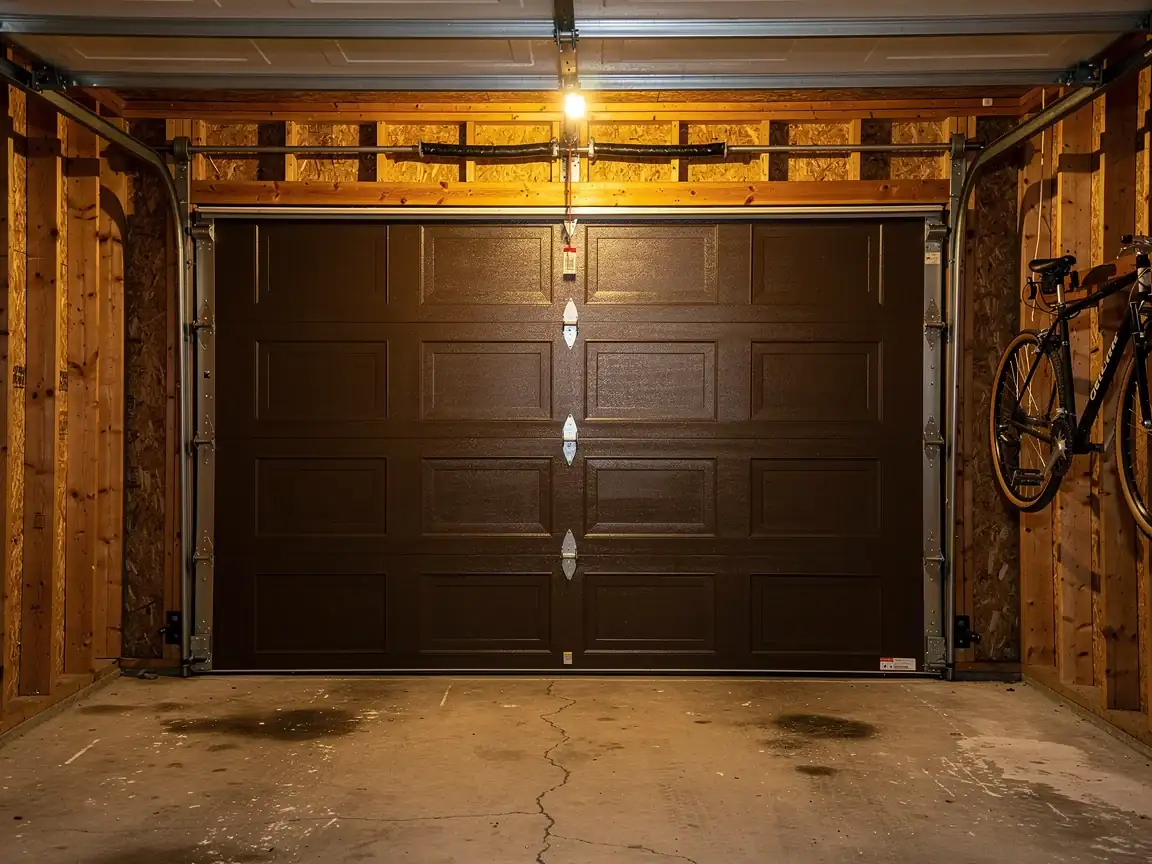
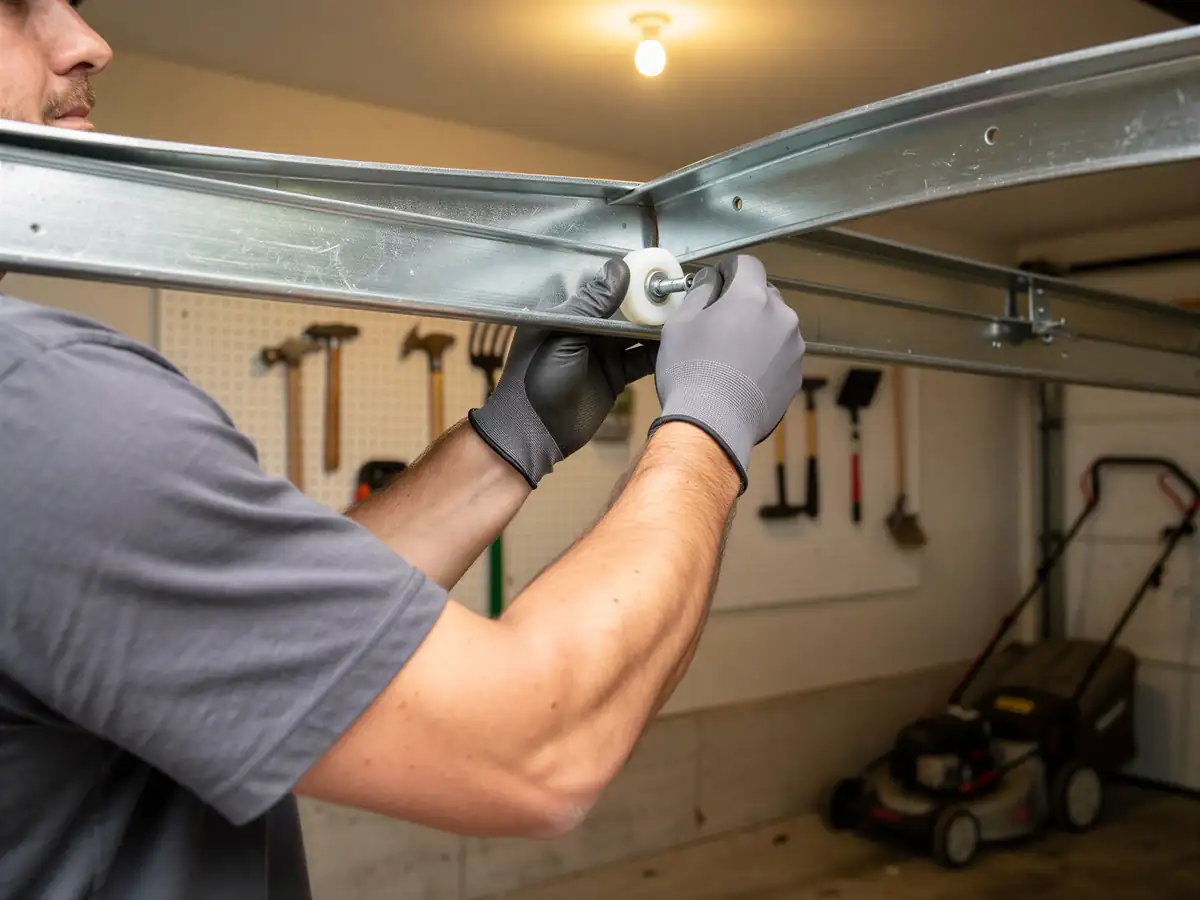
Spray the rollers and hinges with a light lubricant twice a year, not WD-40, which gathers grit. Check the door is balanced by pulling the release and lifting it by hand to waist height - it should stay put, not slam down or fly up. Look at the cables for fraying and the bottom bracket bolts for rust bleeding through the galvanizing. Wipe the photo-eye sensors near the floor; a smudge or a cobweb there is the single most common reason an opener refuses to close.
02
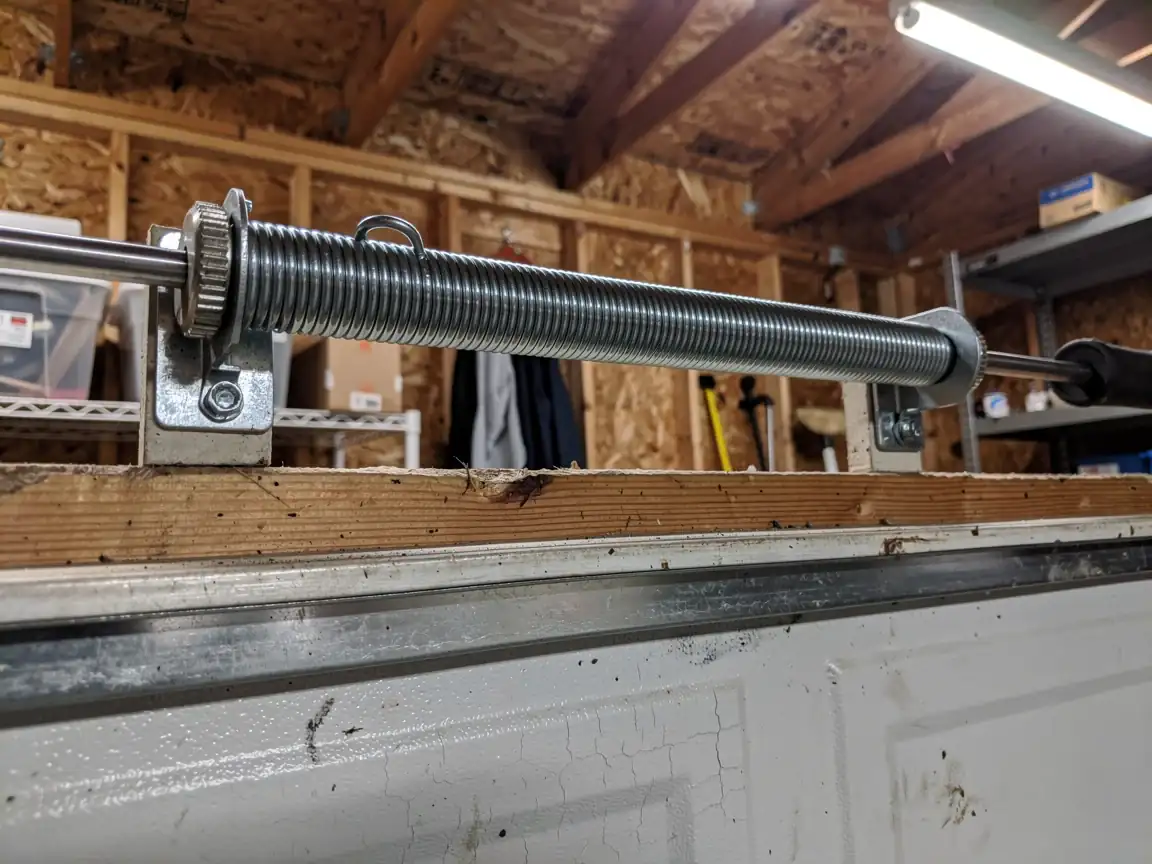
What you shouldn't touch is the torsion spring itself
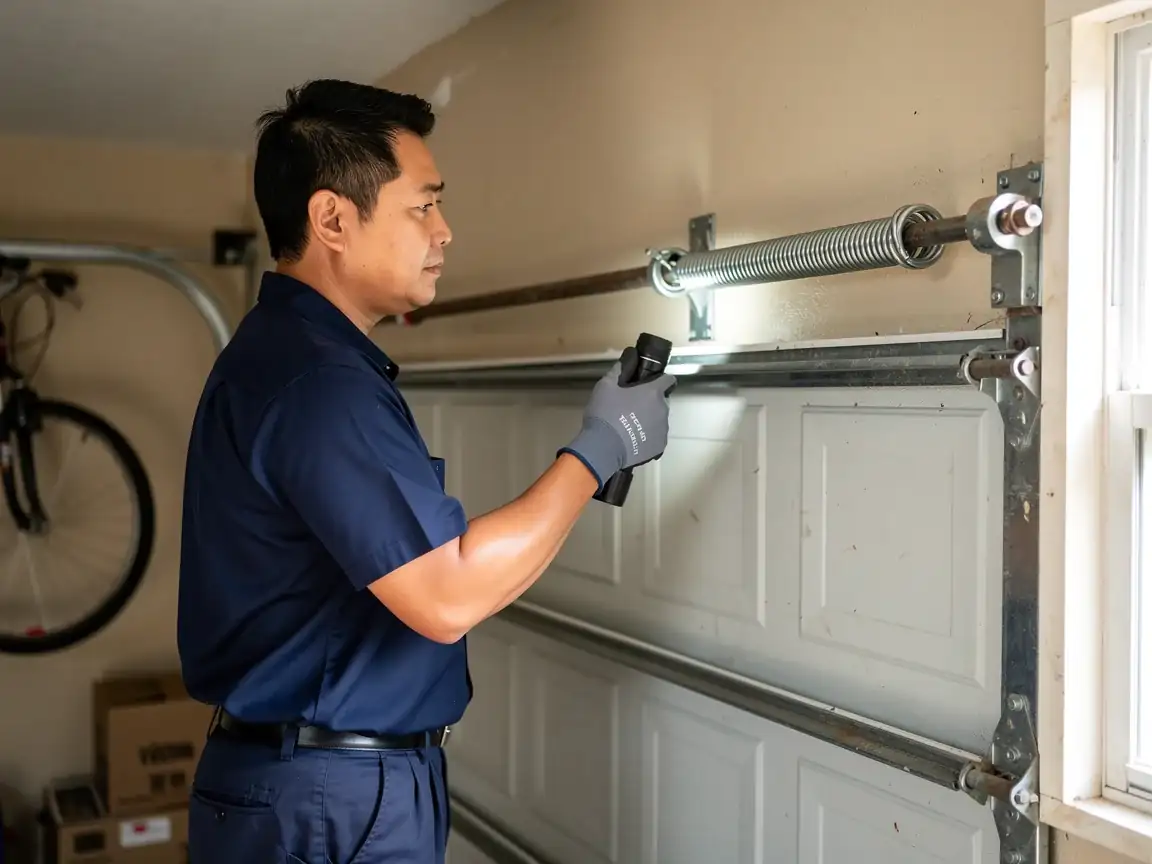
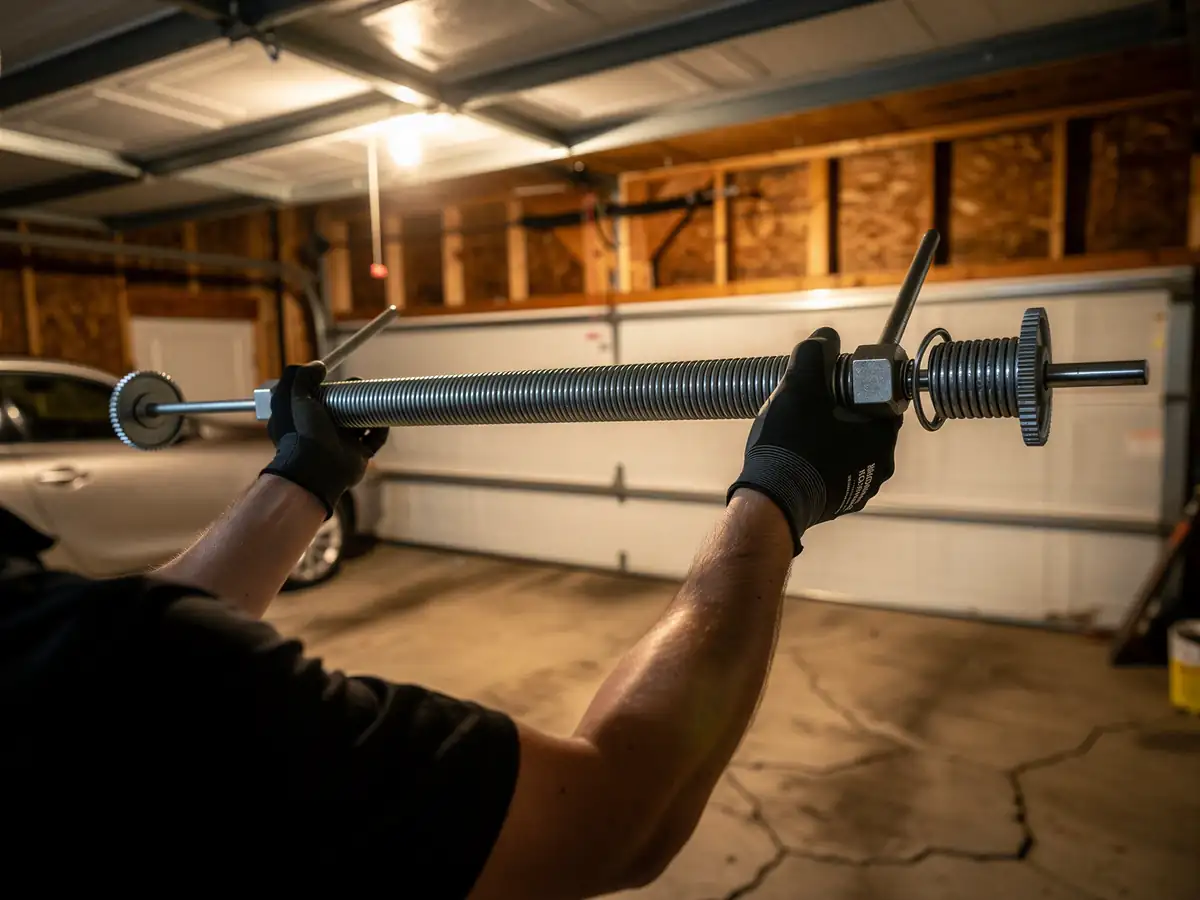
It's wound under enough tension to break a bone or worse, and on the double doors common across this area's 1960s-70s stock, there are usually two springs sharing that load unevenly once one starts to go. If the door is noticeably heavier on one side, or the cable has come off the drum, stop and call. That's not a weekend project, and we won't pretend it is just to sound approachable. Everything else - tightening a loose track bracket, swapping a burnt opener bulb, cleaning the track - is fair game for an owner with a ladder and a Saturday morning.
What Can Go Wrong
Most of the housing here went up between 1967 and 1997, with a lot of it clustered in the late 1970s, and that era's hardware is what's still on the wall in a good share of the 9,734 owner-occupied houses across the service area. Torsion springs are rated for a number of open-close cycles, not a number of years, but after four or five decades even a lightly used door has usually burned through its rated life. The spring doesn't always snap cleanly - sometimes one coil just gives, and the door starts riding crooked on the tracks before anyone notices.
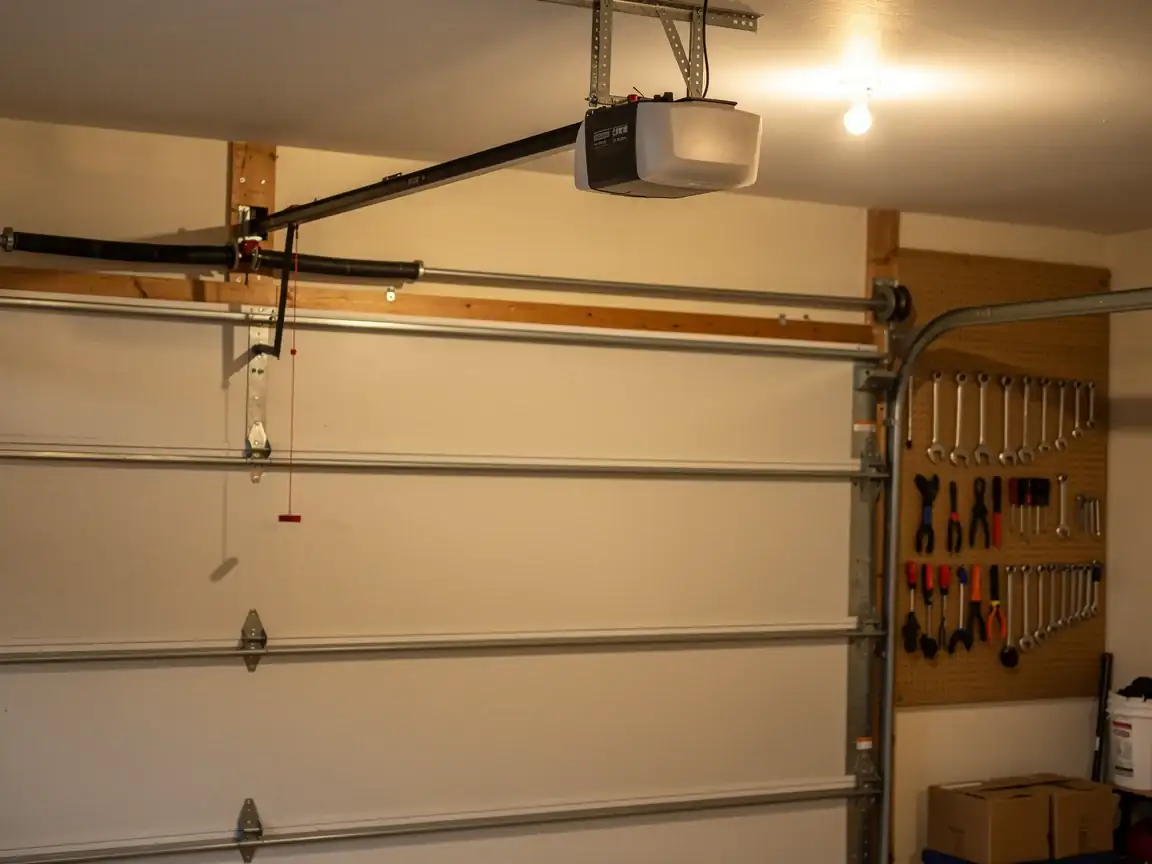
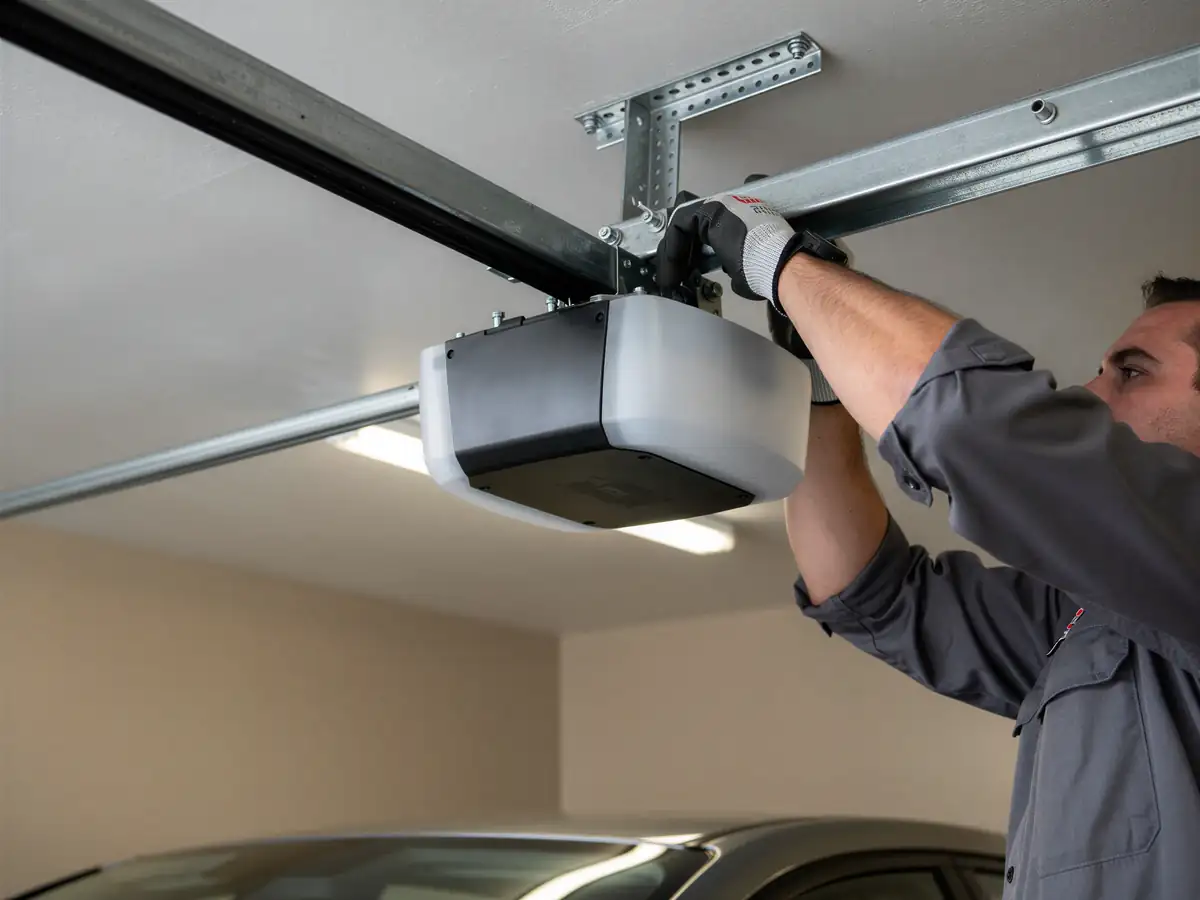
Chain-drive openers from that same build window are the other common failure. The motor still runs, but the gear inside has worn to the point where it strips under load, usually on a cold morning when the grease inside has stiffened. On original one-piece or early sectional doors, the roller brackets can also work loose from the jamb over that many years of use, which throws the whole panel out of square. None of this is dramatic weather damage - it's just age catching up with original parts that were never meant to run this long without a swap.
How It Shows Up
The first sign is usually sound, not a dead door. A loud bang from the garage, often described as a gunshot, means a torsion spring has let go - the door will feel like it weighs four hundred pounds because it suddenly does. A grinding or clicking from the opener head without the door moving is the gear stripping inside the motor housing, which on these older units often means replacing the opener rather than repairing it.
Slower symptoms show up first as hesitation: the door starts to lift, stalls, and reverses on its own, which is the opener's safety sensor reading too much resistance from a spring that's lost tension gradually rather than snapping. A door that closes unevenly, dragging on one side, points to a roller or track bent from years of minor misalignment rather than one dramatic event. And if the remote still works but the wall button doesn't, that's almost always a wiring issue inherited from whichever era the house was wired in, not the door itself.
Why It Happens Here
01
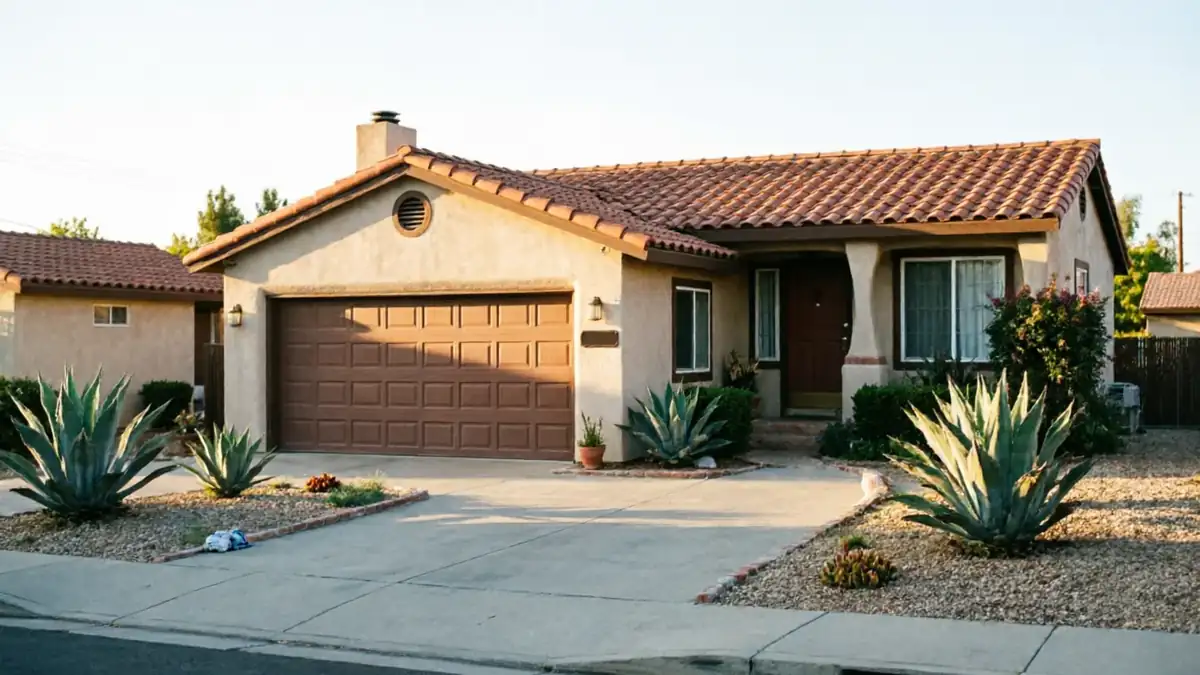
Malibu sits in a mild temperate band, which cuts both ways for garage doors
There's no hard freeze to crack a stiffened spring and no triple-digit summer to warp a wood panel, so doors here don't fail the way they do somewhere with harsh winters. That absence of weather pressure means a door can limp along for years past when it should've been serviced, because nothing forces the issue the way a freeze or a heat wave would elsewhere.
02
The real driver is simply age
With a median build year of 1979 across nine named areas of mostly 1960s-70s stock, a huge share of the doors and openers out here are original or close to it - 40 to 55 years of cycles on hardware that was never designed to run that long. With a median household income of $174,069 across the area, a lot of owners have the means to replace a tired opener outright rather than patch it, which is often the better call once a chain-drive unit from that era starts slipping. We see the same failure pattern whether the house sits in a mile from the coast or further out toward - the climate isn't what's wearing these doors out, the decades are.
55 years
$174,069 median household income
How it works
From “it’s stuck” to “it’s fixed”
1
Tell us what’s wrong
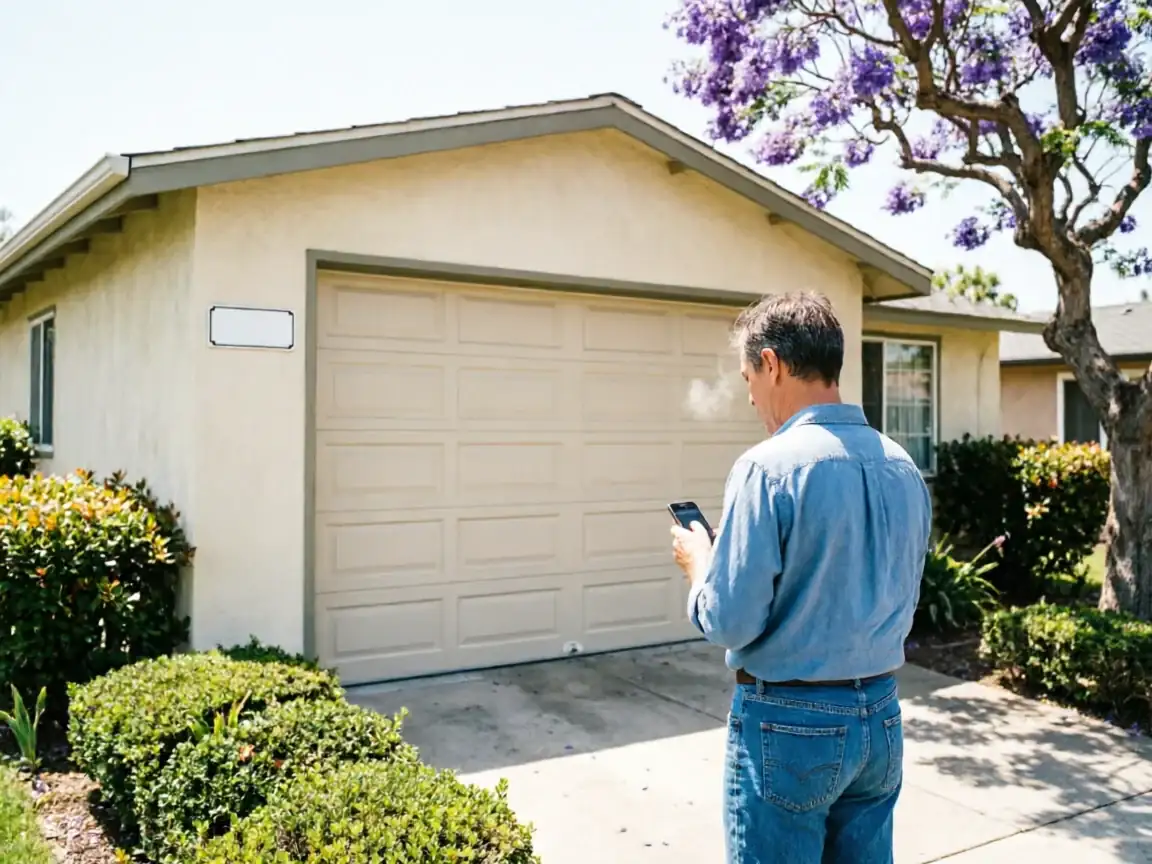
Describe the symptom - won’t open, loud bang, opener runs but the door won’t move.
2
On-site diagnosis
A technician tests the door under power and by hand and finds what actually failed.
3
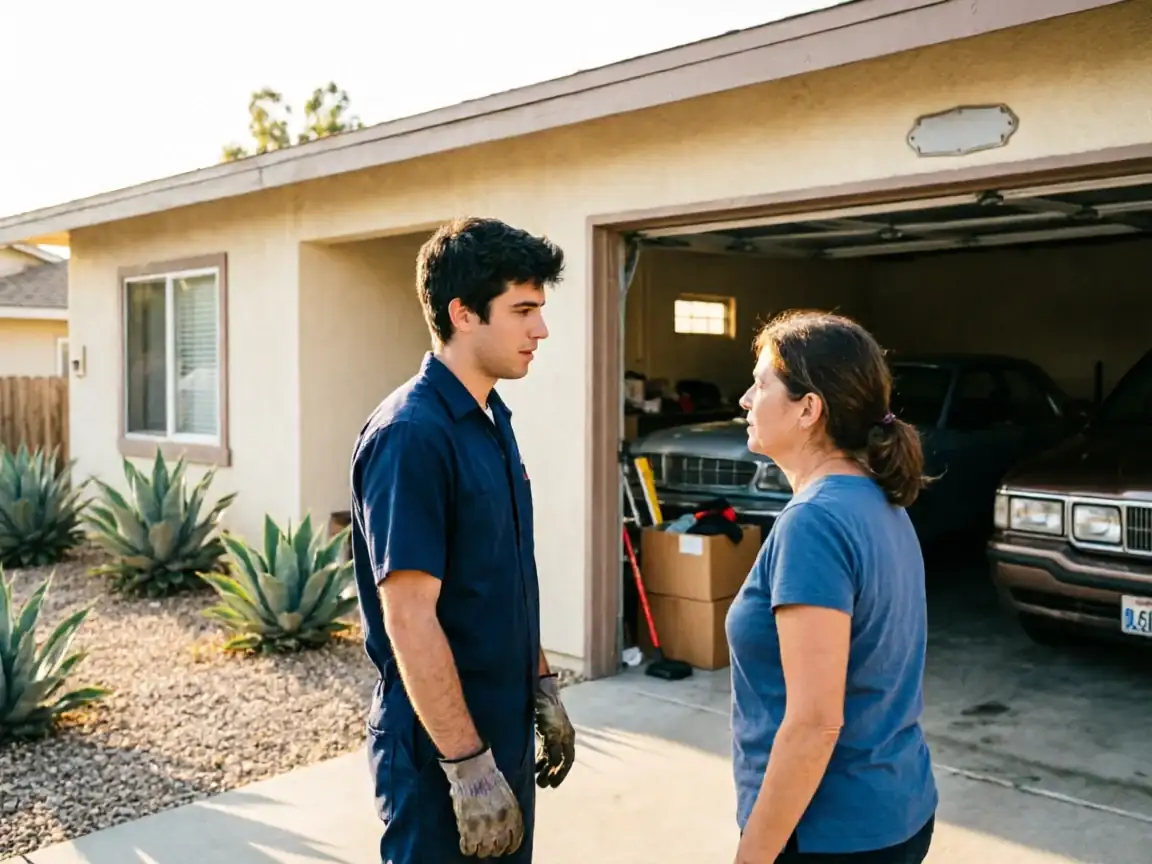
Clear, up-front plan
You get the fix that’s needed and what drives the cost - before any work starts.
4
Repaired & tested
The repair is done, the door is set true and tested, and the work area left clean.
Not sure which repair your door needs in Malibu, CA? Describe what it’s doing - every job starts with a diagnosis.
Straight answers about garage door repair in Malibu. Still unsure? Ask us directly.
How old does a garage door spring usually get before it needs replacing?
It's about cycles, not years, but most springs installed when this area's housing went up between 1967 and 1997 have already run well past their rated life. If your door is original to a house from that window, plan on the spring being near the end even if it hasn't snapped yet.
Can I just replace one torsion spring if only one broke?
On a lot of the double doors common here, springs are sold and rated in matched pairs. Replacing only the broken one leaves the other side wearing unevenly, usually leading to a second failure within a short stretch. It's often cheaper in the long run to do both at once.
Why does my opener strip gears instead of just stopping?
Older chain-drive openers from the 1970s-90s building wave use a plastic or nylon drive gear that wears down gradually. Once it's worn enough, it strips under the load of lifting a heavy door rather than failing all at once, which is why it often sounds like grinding before it quits.
Is it worth repairing an opener this old or should I replace it?
If the motor itself is original to a house built decades ago, repairing a stripped gear is usually a short-term fix on a unit that's already near the end of its working life. We'll tell you honestly when a repair buys you a year versus when replacement is the better spend.