Garage Door Roller Replacement Across the Malibu Service Area
Worn, cracked, or seized rollers on a Malibu garage door? See why this service area's older housing stock and daily-use climate wear rollers out, and what to expect from replacement.
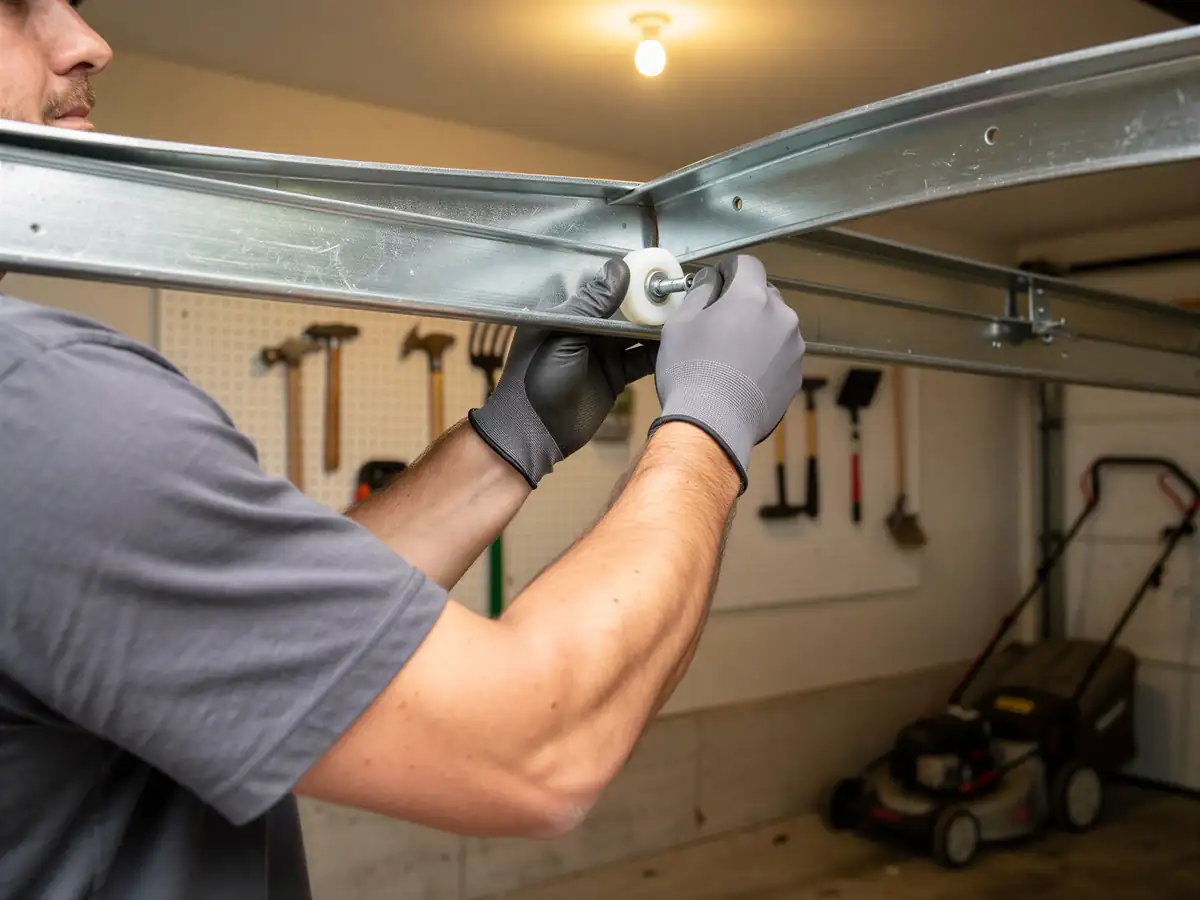
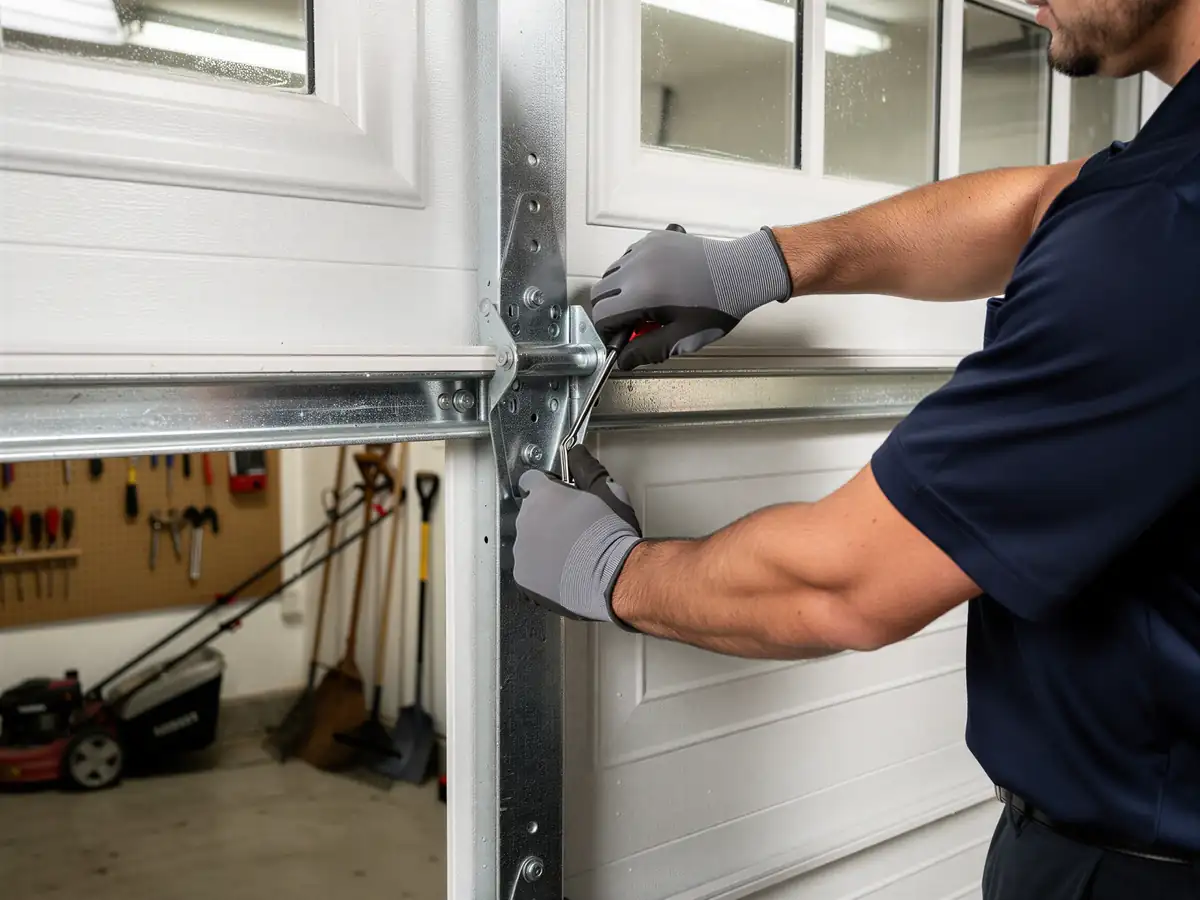
Pull the retaining bracket, slide the old roller out of the track, slide the new one in. On a lot of the doors in this service area, it isn't that clean. Houses here mostly date to 1967 through 1997, with the median build year around 1979, so a good share of the doors you're working on still have original or early-replacement track with tighter tolerances and bent flanges nobody's touched in decades.
02
If you're going to try it yourself
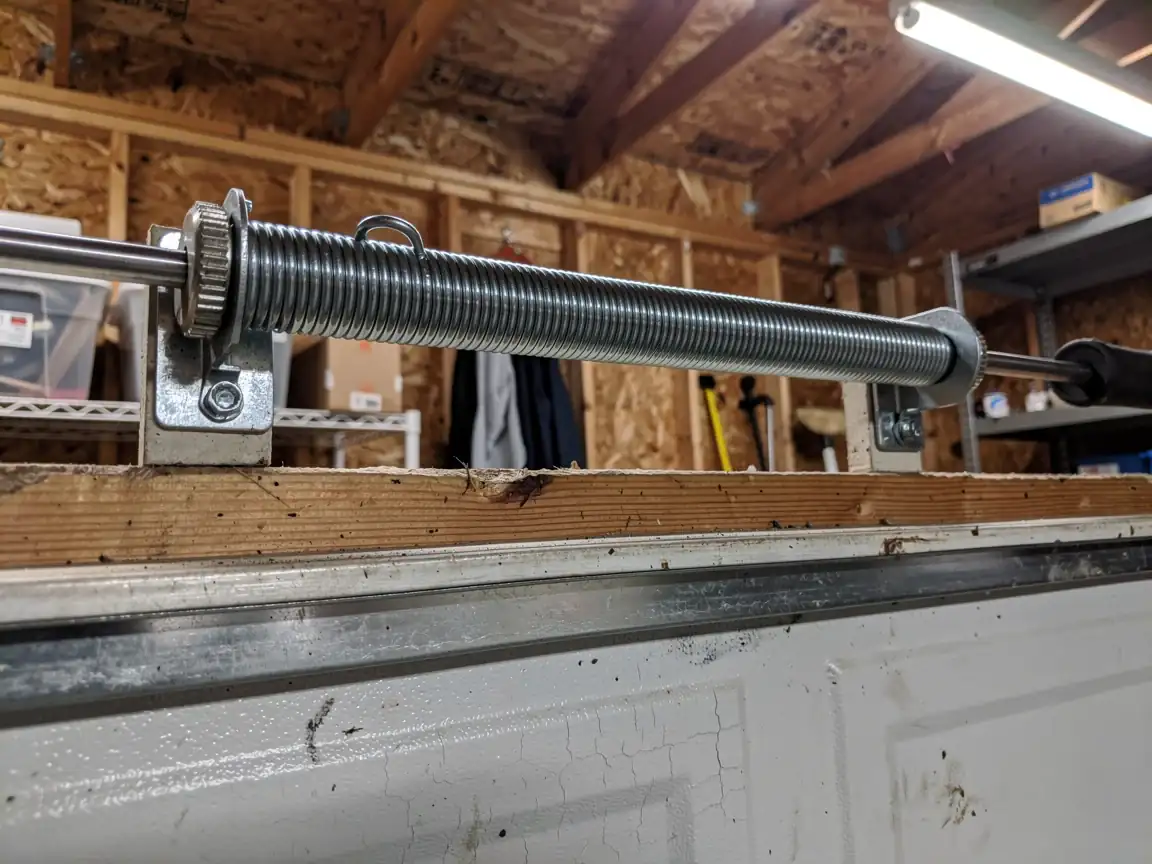
Never open the bottom bracket on a door under spring tension, and never touch the two rollers closest to the bottom corners without releasing the spring first - that's where most DIY trips to the ER start. Top rollers on a door that still tracks straight are the safer place to learn. A single roller runs a modest cost in parts; a full set for both tracks is still cheap compared to a service call.
03
Where we tell people to stop and call
If the roller stems are bent, if the track itself is pulled away from the jamb, or if one side has a stripped stem socket from an old repair. At that point you're not swapping a part, you're diagnosing why the door's been fighting the track for years.
What Can Go Wrong
Rollers rarely fail on their own - they fail because something else let go first. A bent track pinches a roller every cycle until the nylon shell splits. A dry bearing seizes, so the stem starts dragging instead of turning, and that drag transfers straight into the opener's drive gear. We see openers replaced for a $12 roller problem more often than the reverse.
The other failure we see across this service area's older housing stock: steel rollers with no bearing at all, original to doors built in the 1960s and '70s. Those were fine for the door weights and cycle counts of that era. They were not built for a door that gets opened and closed multiple times a day for forty-plus years, and a lot of them are still in service, grinding metal on metal inside the track.
One honest limit here: if your track is pulled, bowed, or rusted through, new rollers won't fix the real problem. We'll say so rather than sell you parts that won't hold. Track replacement or realignment has to happen first, and that's a different job with a different scope.
How It Shows Up
The sound usually comes before anything visible. A worn roller doesn't fail quietly - it announces itself as a rhythmic clunk or grind, once per roller per foot of travel, that gets louder as the door gets lower. If you can count the clunks and they line up with how many rollers you have, you've basically diagnosed it yourself.
After the noise, you get hesitation: the door catches at the same spot in the track every time, usually where a bent section or a dead roller meets a straight run. Some owners describe it as the door 'stepping' instead of gliding. Left alone, that stepping turns into full binding, and the opener either stalls or forces through it, which stresses the drive gear.
Visually, a cracked nylon roller shell or a roller that's gone from round to oval under the stem is easy to spot once the door's open and you know where to look - top corners and the two rollers nearest the bottom brackets wear first because they carry the most direction change. If a roller's missing its shell entirely and you're looking at bare steel riding the track, that one's long overdue.
Why It Happens Here
01
This service area's housing stock skews toward the 1960s and '70s across the nine named areas it covers
With the median home dating to 1979. That matters for rollers specifically: doors from that era were built with steel ball-bearing or plain-bearing rollers as standard, not the sealed nylon rollers that became common decades later. A lot of that original hardware is still spinning, which means a lot of bearings that have outlived any reasonable service life.
02
The climate here is mild temperate
No hard freeze, no deep cold to crack nylon the way colder regions do. That's a point in this area's favor. But mild doesn't mean static. A door in daily use, mild or not, still logs the same number of open-close cycles a year as a door anywhere else, and steady cycling wears a worn bearing faster than weather does. Rollers here fail from miles, not from frost.
03
With median household income in this service area at $174,069
Most owners we talk with choose to replace a full set of rollers in one visit rather than patch one at a time and come back for the next failure six months later - it costs a bit more up front and saves a second trip.
How it works
From “it’s stuck” to “it’s fixed”
1
Tell us what’s wrong
Describe the symptom - won’t open, loud bang, opener runs but the door won’t move.
2
On-site diagnosis
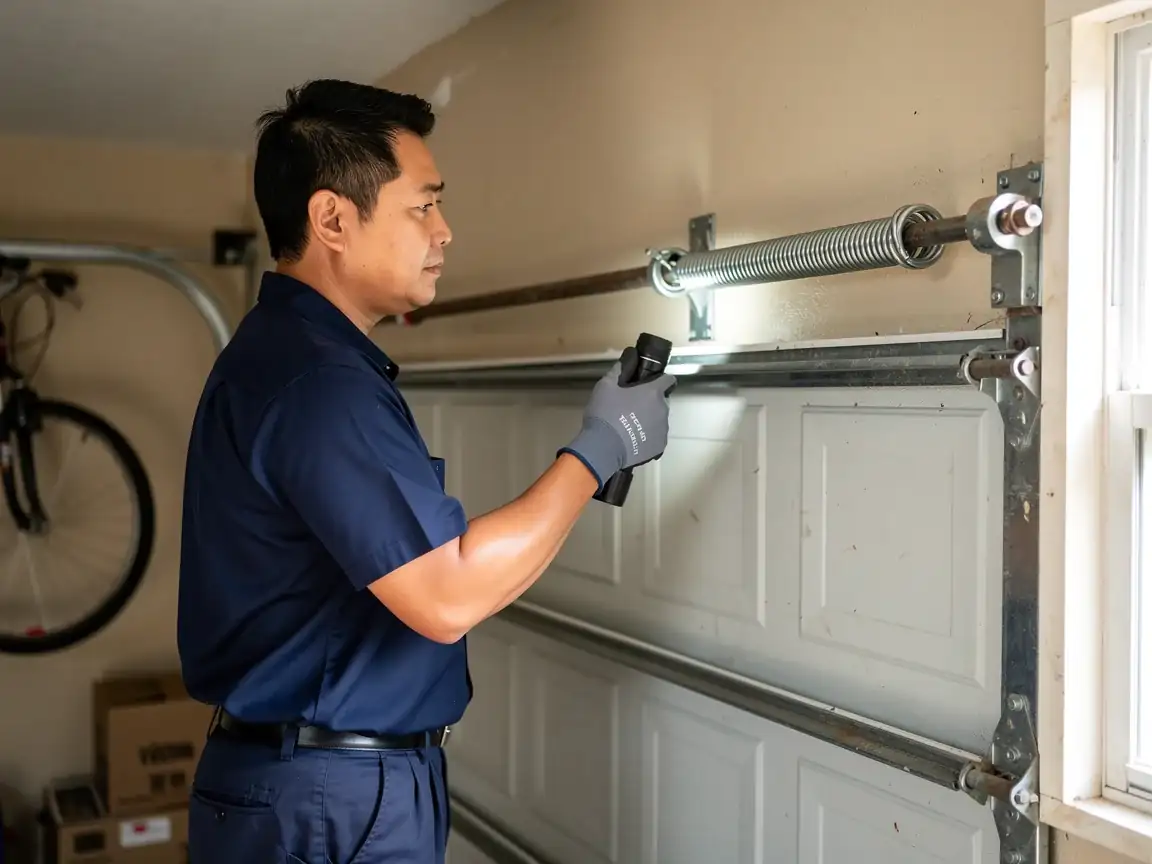
A technician tests the door under power and by hand and finds what actually failed.
3
Clear, up-front plan
You get the fix that’s needed and what drives the cost - before any work starts.
4
Repaired & tested
The repair is done, the door is set true and tested, and the work area left clean.
Not sure which repair your door needs in Malibu, CA? Describe what it’s doing - every job starts with a diagnosis.
Straight answers about garage door repair in Malibu. Still unsure? Ask us directly.
How many rollers does a typical garage door have, and do I need to replace them all at once?
Most residential doors run 8 to 10 rollers across both tracks. You can replace just the failed one, but if your door is original to a 1970s or '80s build, the rest are the same age and close to failing too. Most owners in this area choose a full set in one visit rather than paying for a second trip in a few months.
Will new rollers fix a door that's noisy going up but quiet going down?
Sometimes. Direction-specific noise often points to a bent or loose top bracket more than the rollers themselves. If the rollers look worn, replace them, but have the tracks and brackets checked in the same visit - a straight track with new rollers is quiet both directions.
Can I mix nylon rollers with the old steel ones still in the track?
You can, and a lot of repairs end up that way for one or two rollers, but it's not ideal long-term. Steel and nylon rollers wear the track differently, and an older track bowed slightly from decades of steel rollers may not seat a nylon roller evenly. A full matched set avoids that.
How do I know if it's the rollers or the opener causing the grinding sound?
Disconnect the opener using the manual release and move the door by hand through a full cycle. If the grinding and sticking are still there with the opener out of the equation, it's the rollers or track, not the opener. If it's smooth by hand, the opener's drive gear is the more likely suspect.