Garage Door Panel Replacement Across the Malibu Area
Panel replacement for the 1960s-90s doors common across Malibu and nearby coastal areas. We match panels, order sections, and explain when a full door makes more sense.
A single dented panel looks like a weekend fix, and sometimes it is
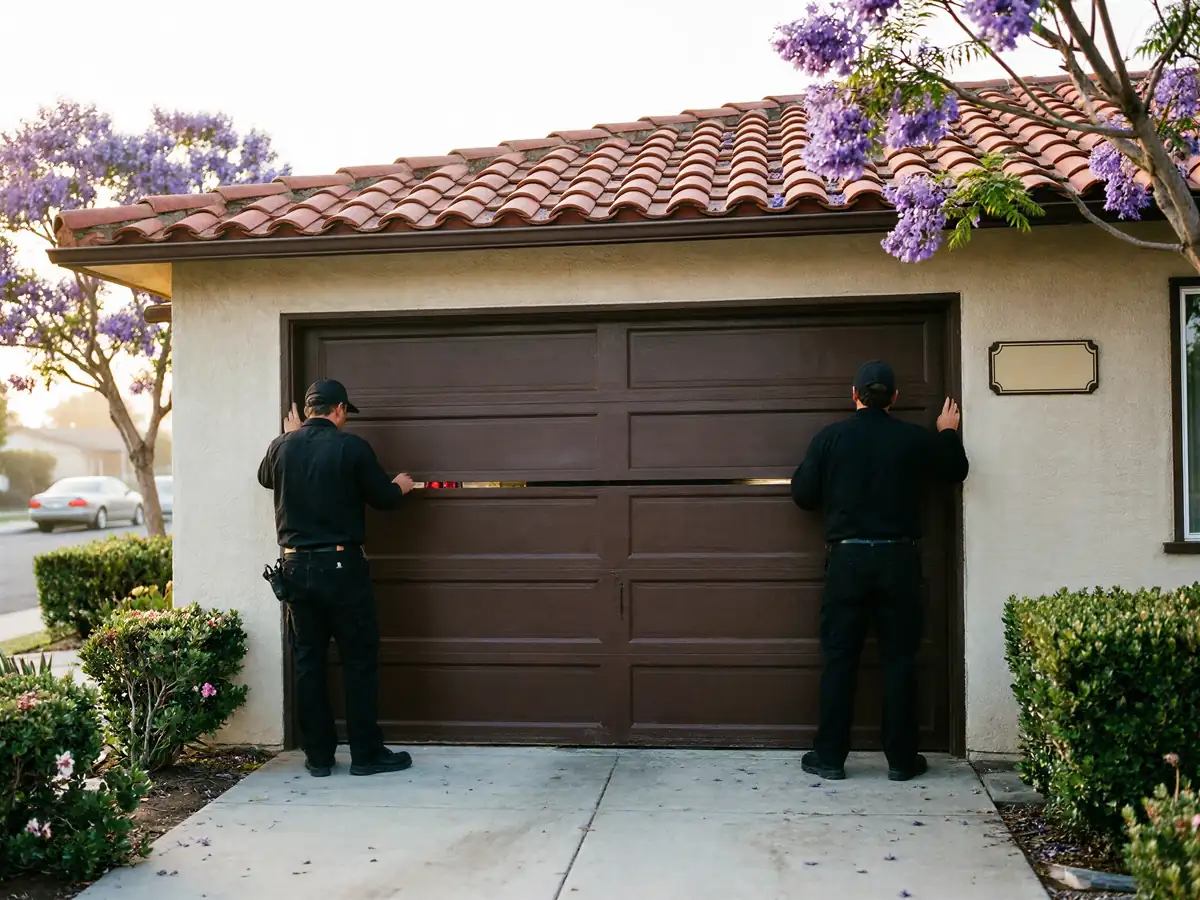
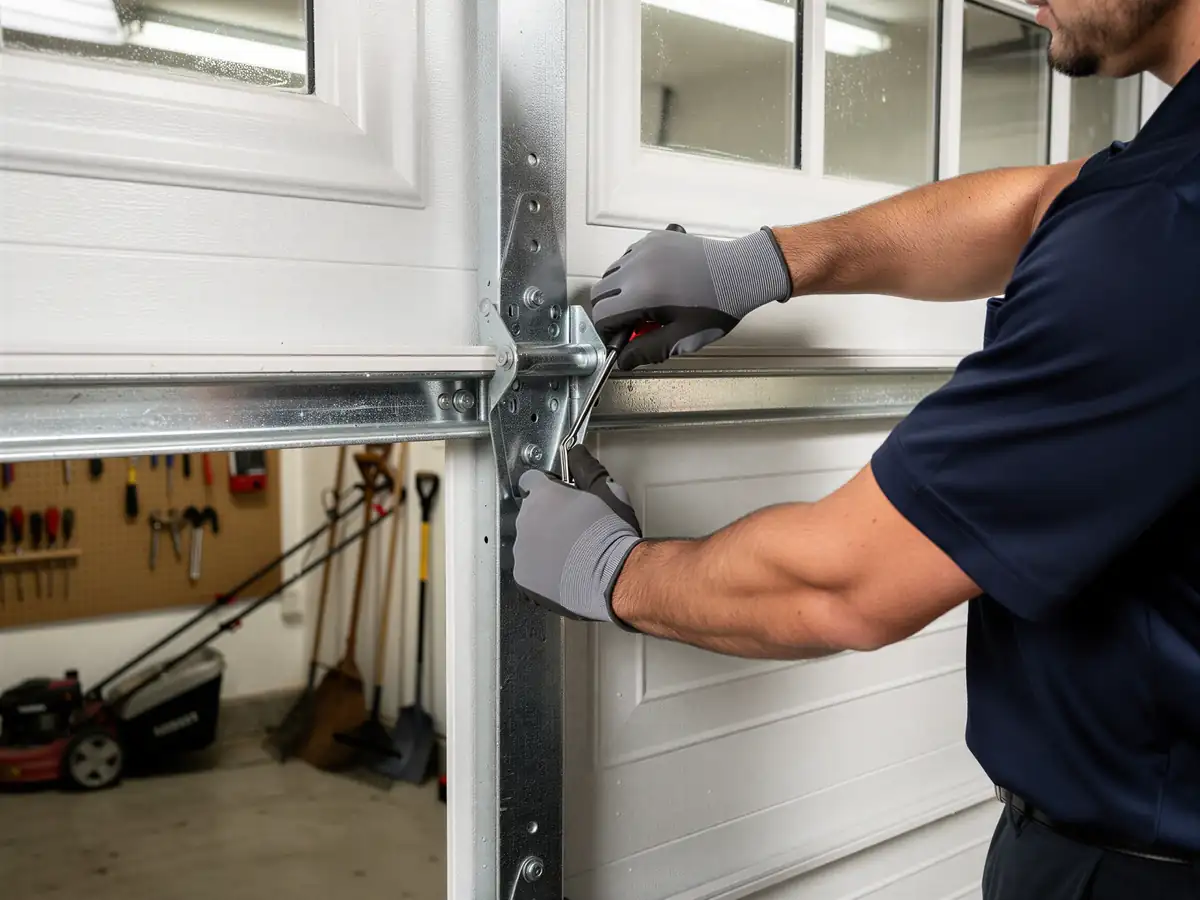
If the door is a newer steel model with bolt-together sections and you can find the exact match, swapping one panel is within reach for someone comfortable with a socket set and a second pair of hands to hold the door steady on the track.
02
Where it gets harder is matching
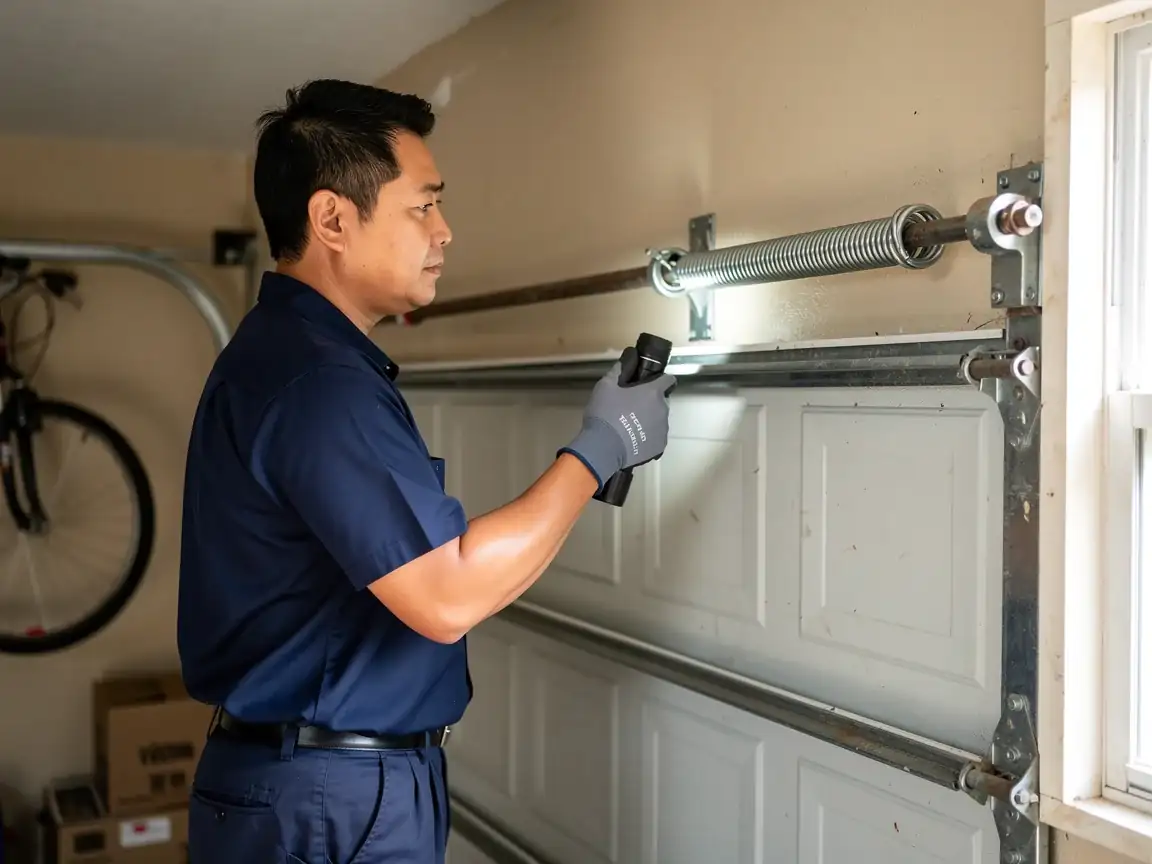
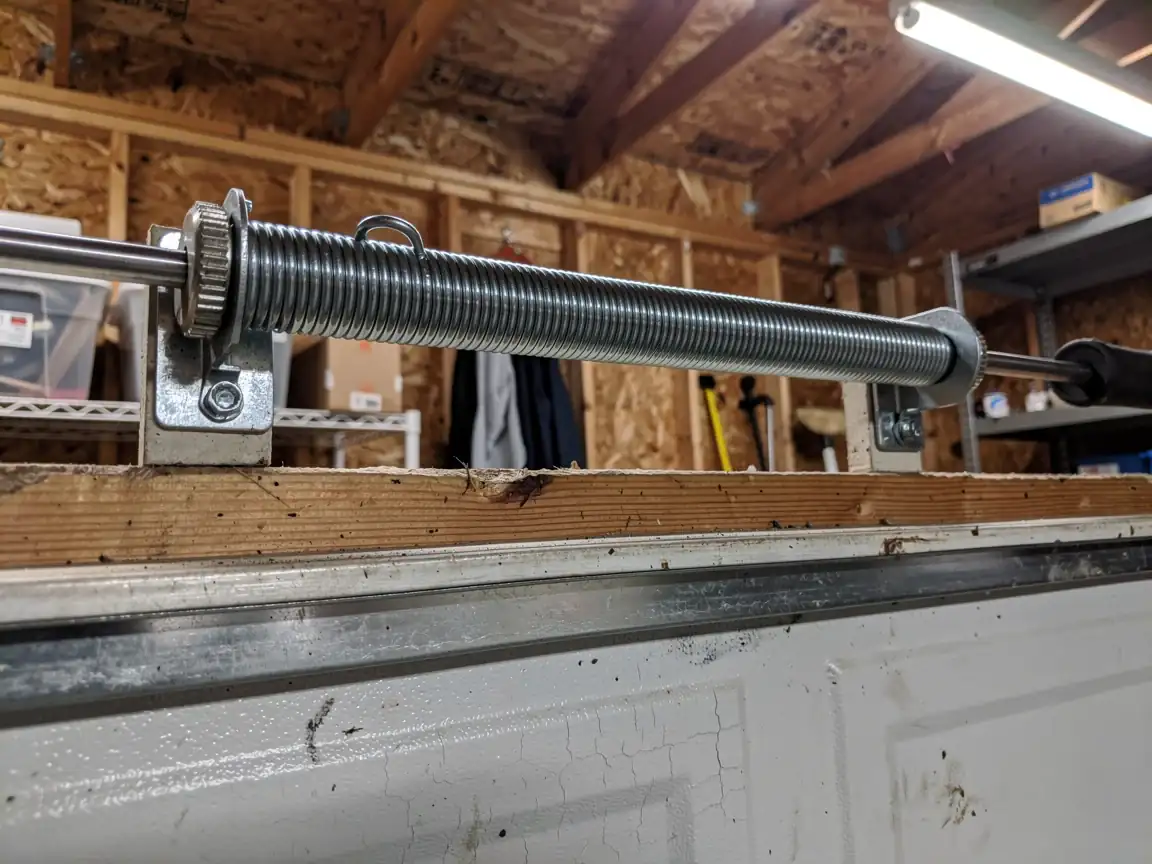
A lot of doors in this area were installed decades ago, and the manufacturer may not make that profile or color anymore. You can end up with a door that has one panel slightly off in ridge depth or finish, which looks worse than the dent did. There's also the torsion spring to think about - if the dent is near a hinge or the door is out of its track, the spring is under load and that's not a DIY job. We'd rather tell you that upfront than have you find out the hard way.
03
We don't do remote estimates for panel matching over the phone
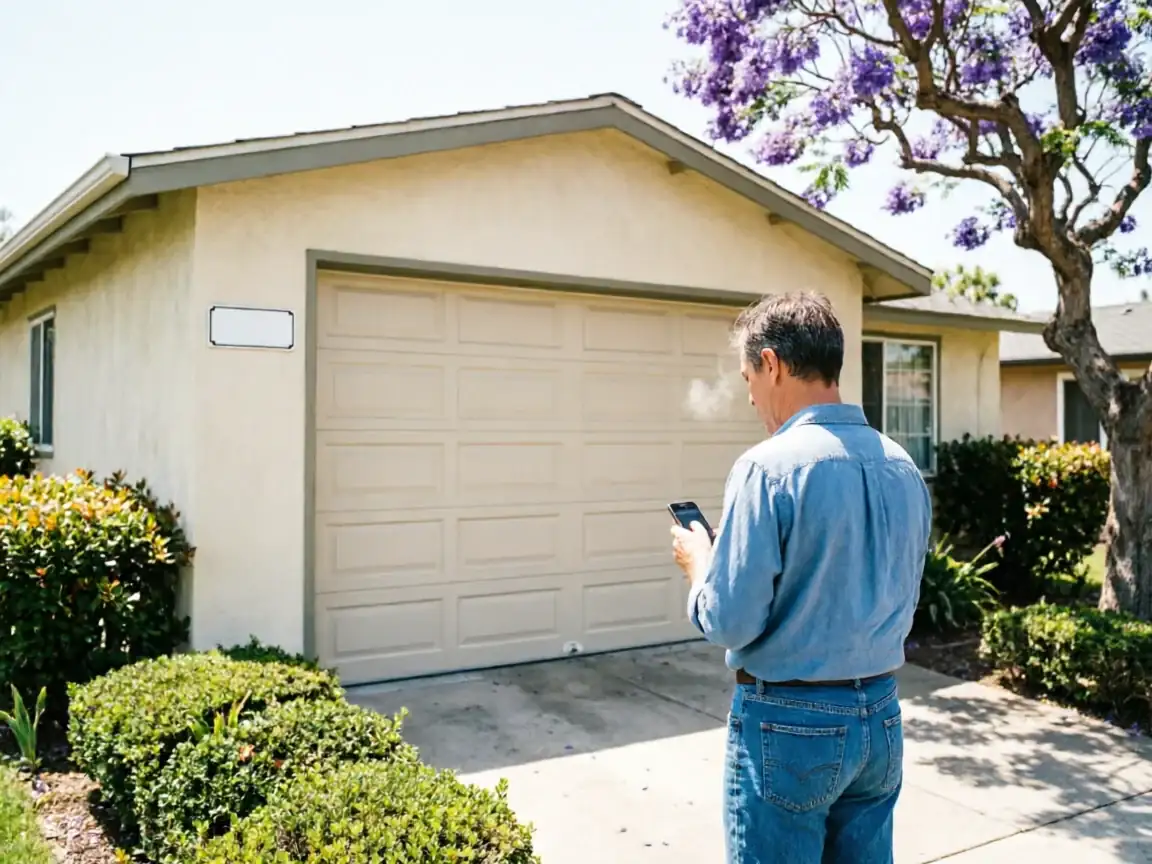
We need to see the door, the year, and what's left of the original label to know if a single panel is even possible.
What Can Go Wrong
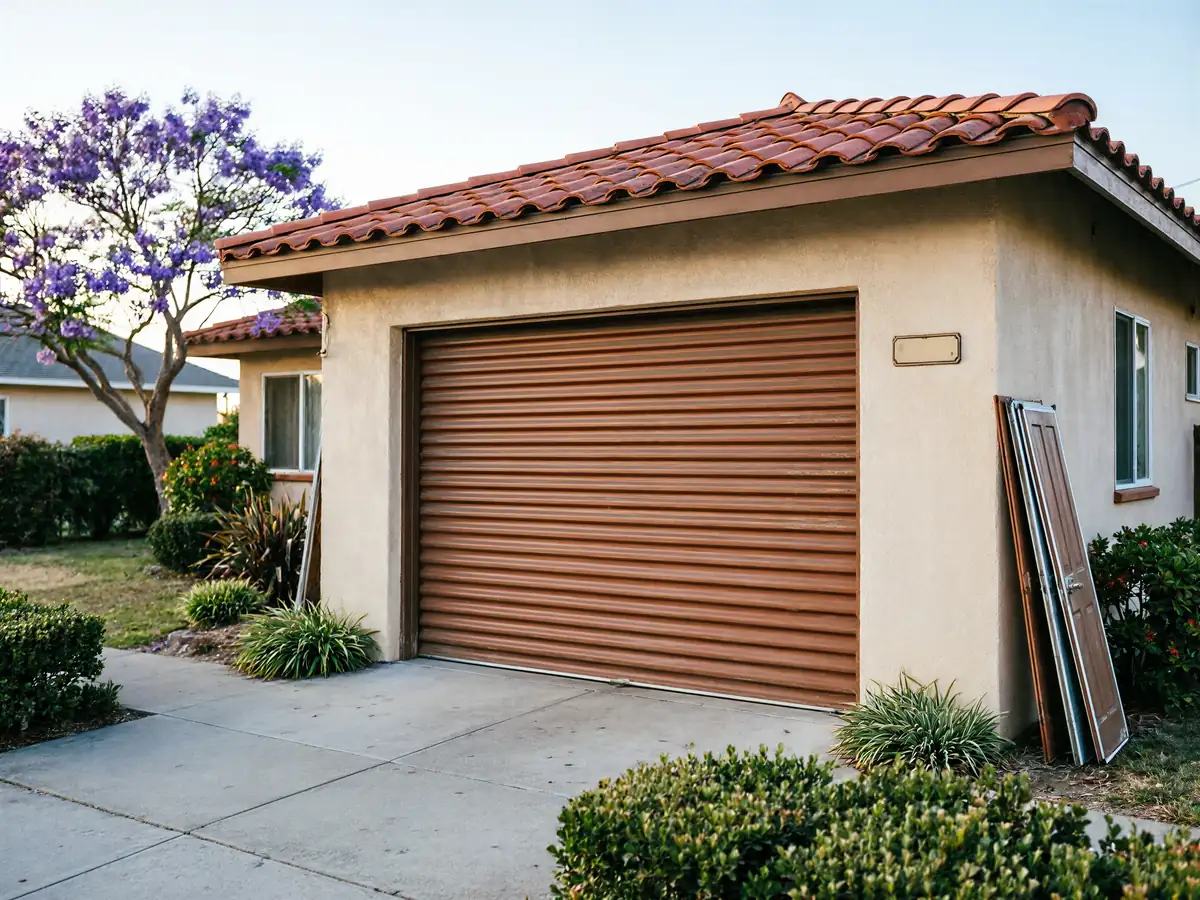
The obvious failure is a dented or caved panel from an impact - a car bumper, a trailer, a gust that catches a door left half-open. Less obvious is a panel that's fine on the surface but has pulled away from the stile, usually from years of a roller riding slightly off-track and putting uneven pressure on one seam.
On older doors, the bigger risk is that one bad panel reveals the whole section run is near the end of its life. Steel panels built in the 1970s and 80s don't have the same galvanized coating as current stock, so once rust starts at a seam or a bottom corner, it spreads under the paint where you can't see it until the panel is already compromised. Replacing just the damaged one can mean the rest fail within a year or two anyway.
We'll tell you straight when that's the case. If three of your eight panels are already rusting from the inside, spending money to match one and leaving the rest is not a good use of your money, and we'd say so instead of selling you the smaller job.
How It Shows Up
Panel damage doesn't always announce itself with a dent. Sometimes the first sign is the door running rough - a grinding or catching sound as a bowed panel drags against the track, or a gap of daylight along one edge where the section has bent enough to pull away from its neighbor.
On double-wide doors, a damaged panel often shows up as uneven closing: one side touches the floor before the other, because the bent section is fighting the track alignment. Owners sometimes assume that's a spring or opener problem and only find the real cause once we're on-site with the door up on the horse.
Water staining on the inside face of a panel, especially near the bottom section, is usually the first visible sign that a seam has opened and moisture has been getting behind the steel for a while. By the time that shows up as a stain, the panel underneath is often already soft.
Why It Happens Here
01
Across the nine areas that make up this market, the housing stock is mostly the same era
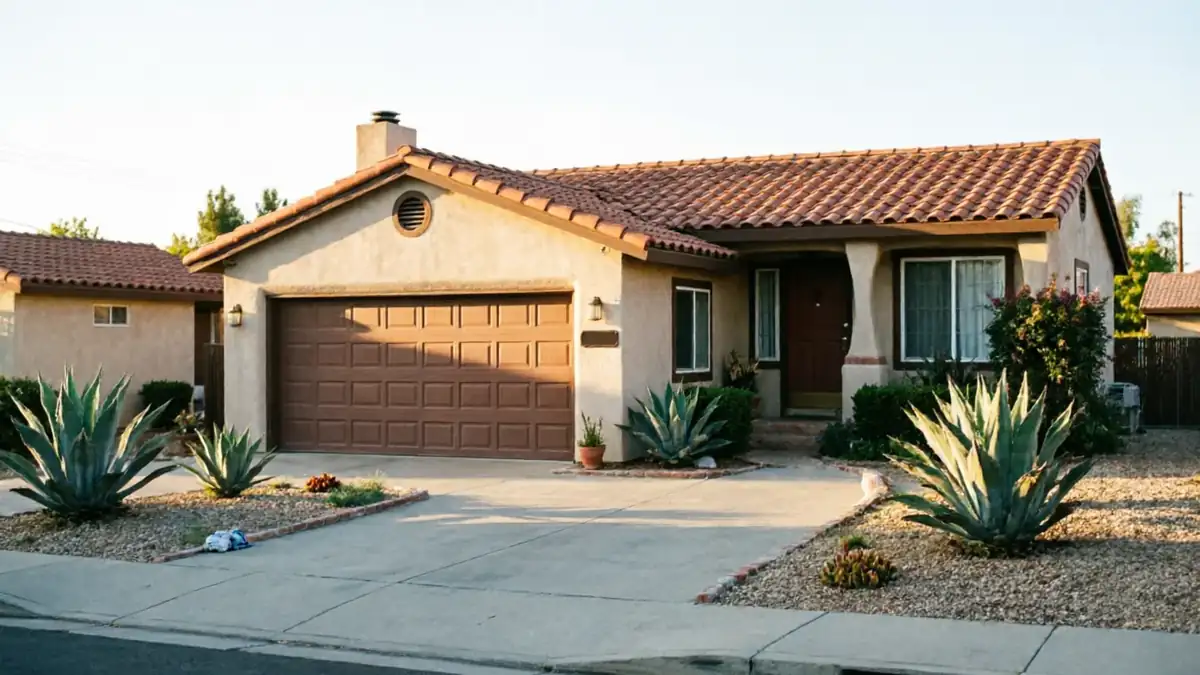
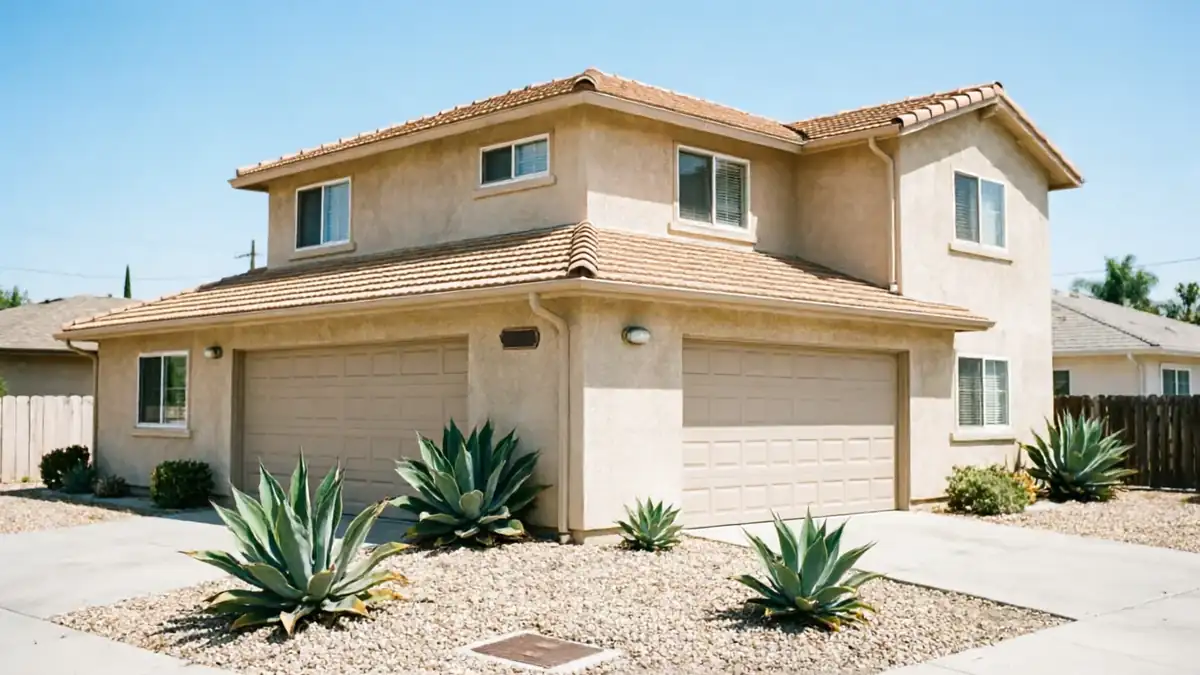
Built between 1967 and 1997, with the median landing around 1979. That means a huge share of the garage doors in this area are either original 1970s and 80s steel or a first-generation replacement from the 1990s, and both of those generations are now old enough that panel seams, coatings, and roller hardware are wearing out at the same time across whole streets.
02
The mild temperate climate here works in homeowners' favor in one way
Panels don't crack from freeze-thaw cycling the way they do in colder regions, so when a panel fails here it's almost always from an impact or from decades of slow seam fatigue, not weather-driven cracking.
03
With a median household income of $174,069 across the service area
Most owners choose to replace a damaged panel properly, matched to the existing door, rather than patch it or leave a mismatched section in place. That's part of why getting a close match matters more here than in areas where owners are more likely to just live with it.
$174,069 median household income
How it works
From “it’s stuck” to “it’s fixed”
1
Tell us what’s wrong
Describe the symptom - won’t open, loud bang, opener runs but the door won’t move.
2
On-site diagnosis
A technician tests the door under power and by hand and finds what actually failed.
3
Clear, up-front plan
You get the fix that’s needed and what drives the cost - before any work starts.
4
Repaired & tested
The repair is done, the door is set true and tested, and the work area left clean.
Not sure which repair your door needs in Malibu, CA? Describe what it’s doing - every job starts with a diagnosis.
Straight answers about garage door repair in Malibu. Still unsure? Ask us directly.
Can you match a panel on a door from the 1970s or 80s?
Sometimes. A lot of the doors in this area are from that era, and manufacturers have discontinued many of those profiles. We check the label and section depth on-site before quoting - if an exact match isn't available, we'll tell you and lay out the options, including a full door replacement if that ends up making more financial sense.
Will one new panel look different from the rest of my door?
It can, especially on a door that's been sun-exposed for years, since paint and finish fade unevenly over time. We try to match as closely as the manufacturer's current stock allows, but we won't promise an invisible match on an older door - that's the honest answer, not the one that sounds best on the phone.
Is panel replacement cheaper than replacing the whole door?
Usually, if it's one or two panels and the rest of the door is sound. But if several panels are rusting or the door is from the original 1970s-80s run, replacing just one section can mean paying again soon for another. We'll look at the whole door before recommending which way to go.
Do you work on doors across the wider Malibu area, not just in town?
Yes. We cover the areas around Malibu including Topanga, Lake Sherwood, Oak Park, Hidden Hills, Bell Canyon, Westlake Village, Santa Susana, Santa Rosa Valley, and Marina del Rey. Each of those areas has its own page with more detail specific to that town's housing stock.