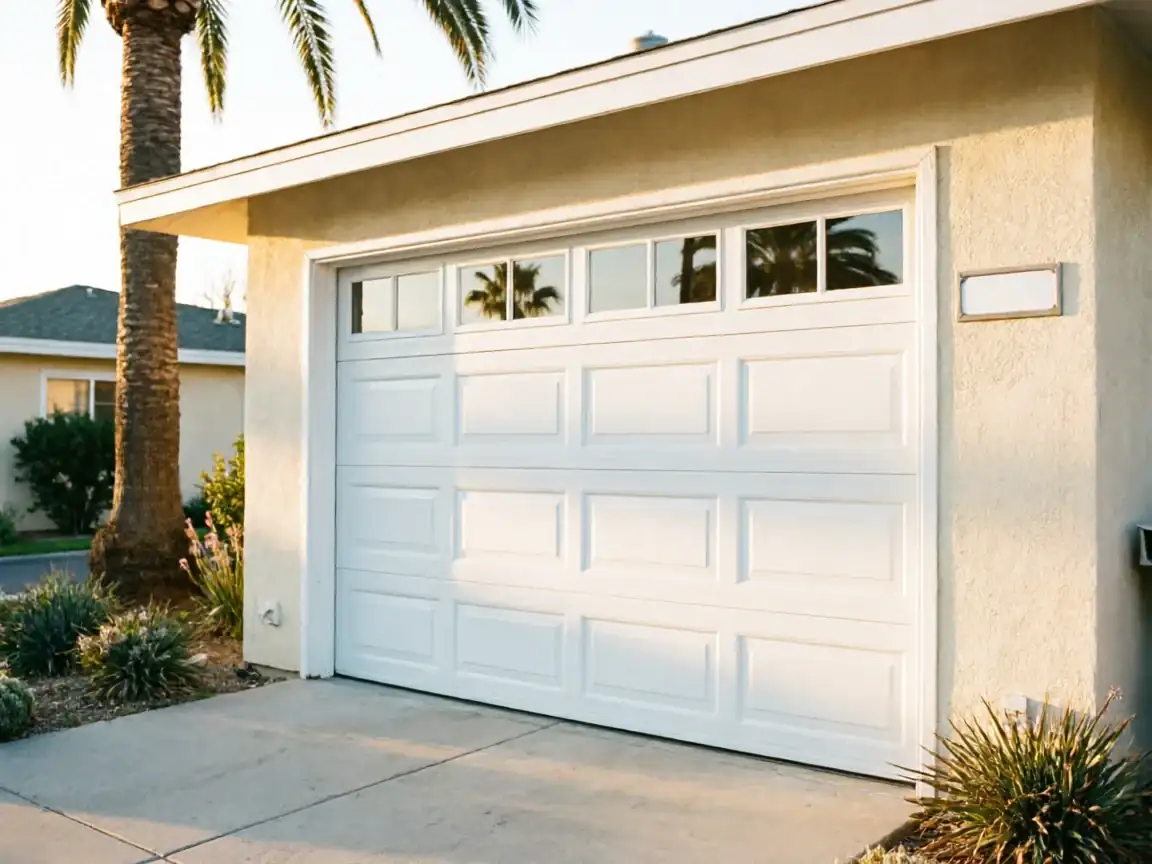
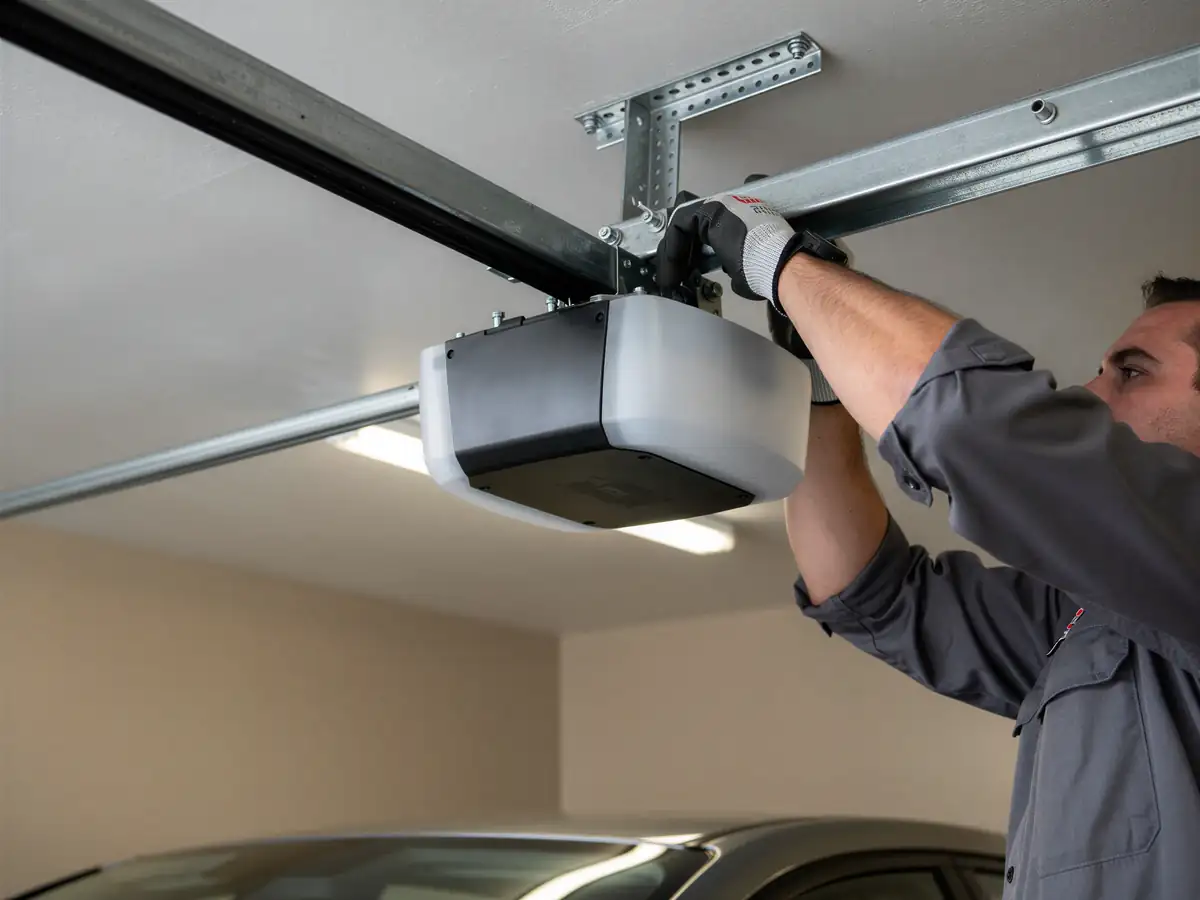
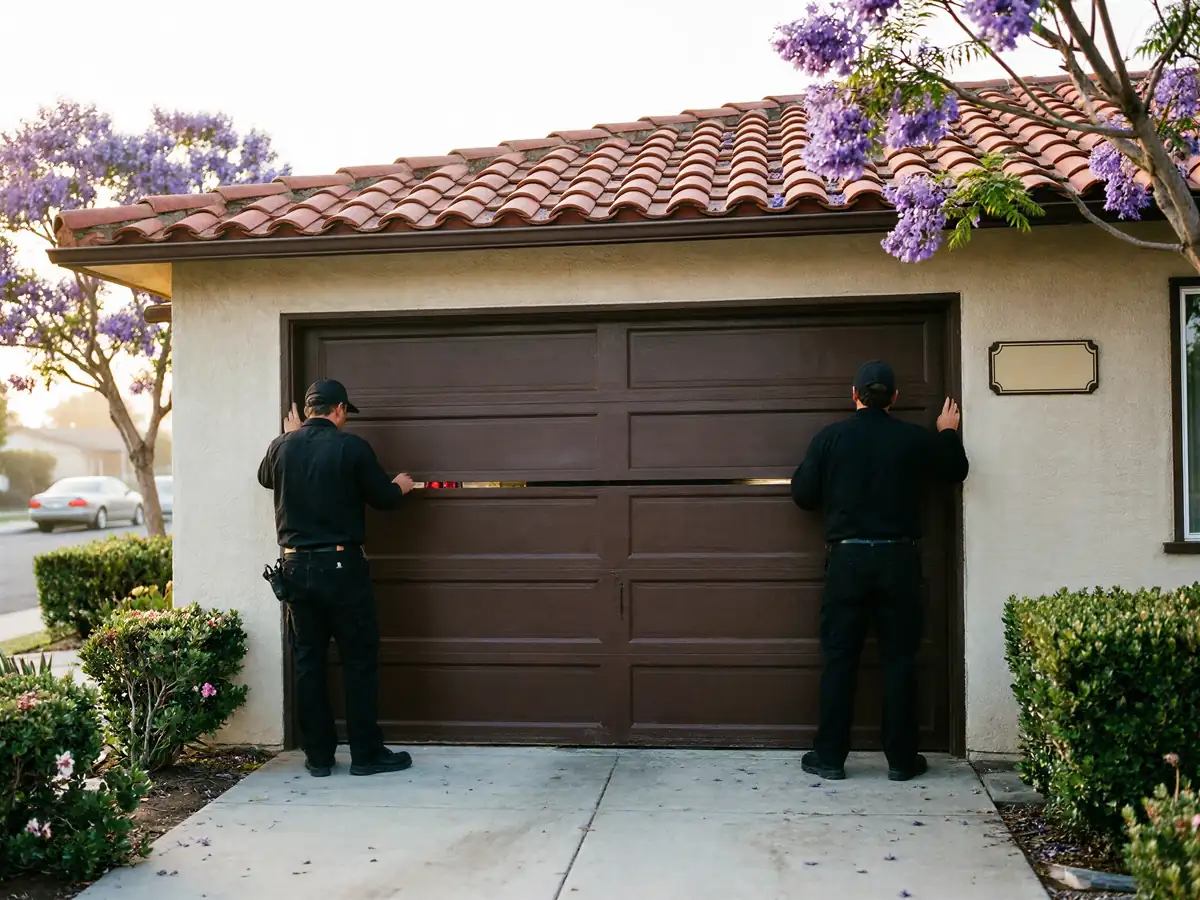
Most Malibu homes date to 1967-1997 and sit in a mild coastal climate - here's what a garage door service call actually checks and covers in this market.
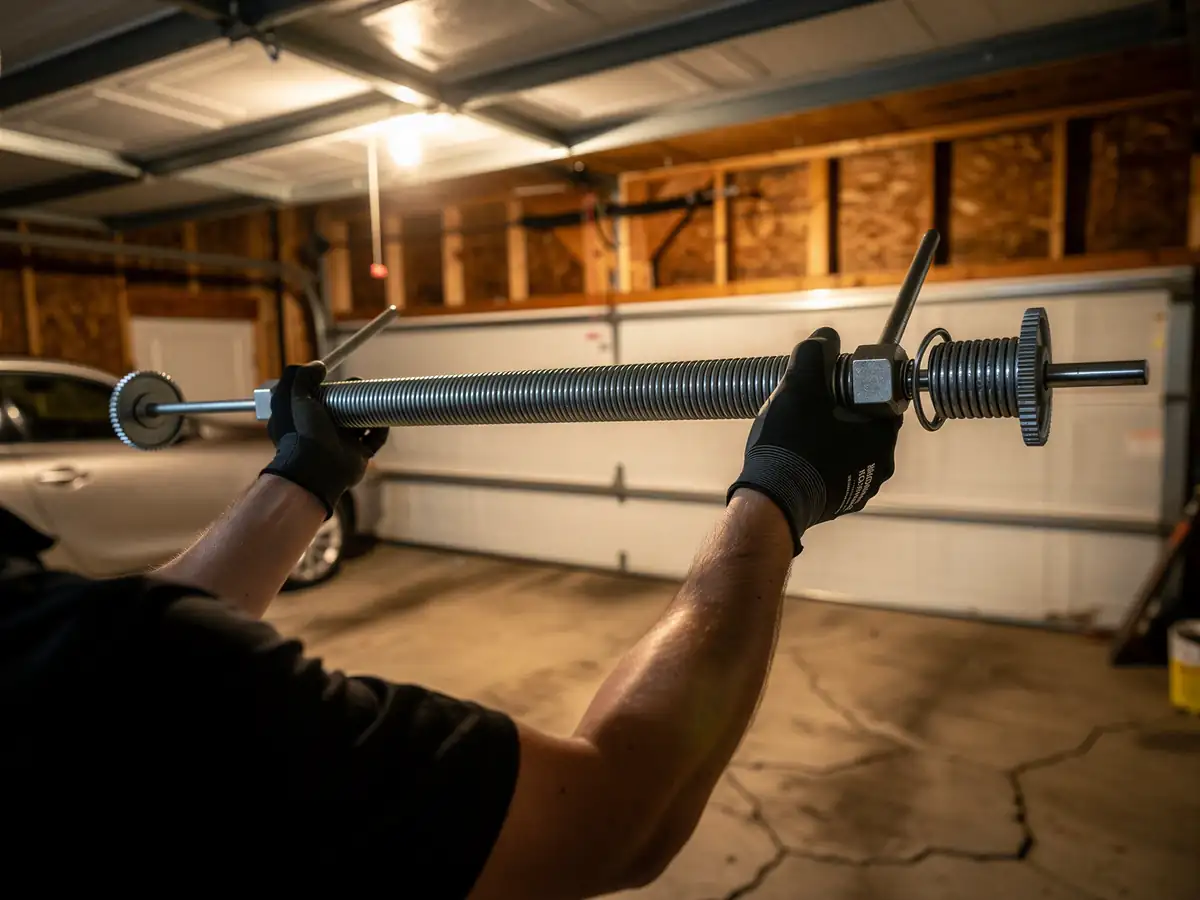
Not every door needs a truck rolling out this month. Malibu's housing stock mostly went up between 1967 and 1997, with the median build year around 1979 - that's a torsion spring and track system that's thirty to fifty years old in a lot of cases, but age alone isn't an emergency. If the door opens smooth, closes flush, and the spring isn't making that flat clunking sound when it cycles, you can let it ride. The mild temperate climate here helps your case: there's no hard freeze cracking seals, no repeated thaw cycle working bolts loose the way it does in colder inland towns. A door that's quiet and balanced in Malibu can often go another year or two without a call. Where this gets risky is assuming quiet means fine indefinitely - springs rated for a set number of cycles don't announce when they're close to the end, they just go. If your opener is original to a house built in the 1970s or 80s, that's worth flagging even while everything still seems to work, because it's less a repair at that point and more a scheduled swap before it becomes an after-hours one.
What Local Conditions Do
Malibu sits in a mild temperate band, and that cuts both ways for a garage door. The upside: no freeze-thaw cycling means less of the metal fatigue and seal failure that shows up on service calls in harsher climates, and galvanized hardware here tends to outlast its rated life rather than corrode out early from ice. The downside is that mild weather lets a worn system keep limping along past the point where a homeowner elsewhere would have already called - a spring that's lost tension doesn't seize up here, it just makes the opener work harder every single cycle, quietly, until it doesn't. That's a meaningful difference on a service call: the tech isn't checking for frozen rollers or rust-seized hinges, they're checking cycle wear on hardware that's been running in gentle conditions for two or three decades straight across a 1967-1997 build range. Across the nine named areas that make up this stock, most of it dates to the same 1960s-70s to 1990s window, so the failure points repeat house to house - original torsion springs, aging extension cables, openers from a generation before today's safety sensors became standard.
The Situation
The service area runs from about a mile WNW, out to places like Santa Susana and Santa Rosa Valley 17 miles off - a long, thin stretch rather than a tight radius, with around 6 miles ENE about 8 miles WNW anchoring the middle. Across that area there are 19,499 households and 9,734 owner-occupied houses, which is the base a service call actually draws: mostly single-family homes, mostly from that 1967-1997 build window, spread across those nine named pockets rather than clustered in one subdivision. Median household income across the area sits at $174,069, and that shows up in the kind of calls that come in - more requests to replace a tired door and opener outright with something quieter and better insulated, fewer requests to keep patching a cheap door another year. It also means service calls here skew toward higher-end panel materials and custom sizing rather than the standard steel door off a big-box shelf, since a fair number of these houses were built or renovated with non-standard openings.
When to Get Help
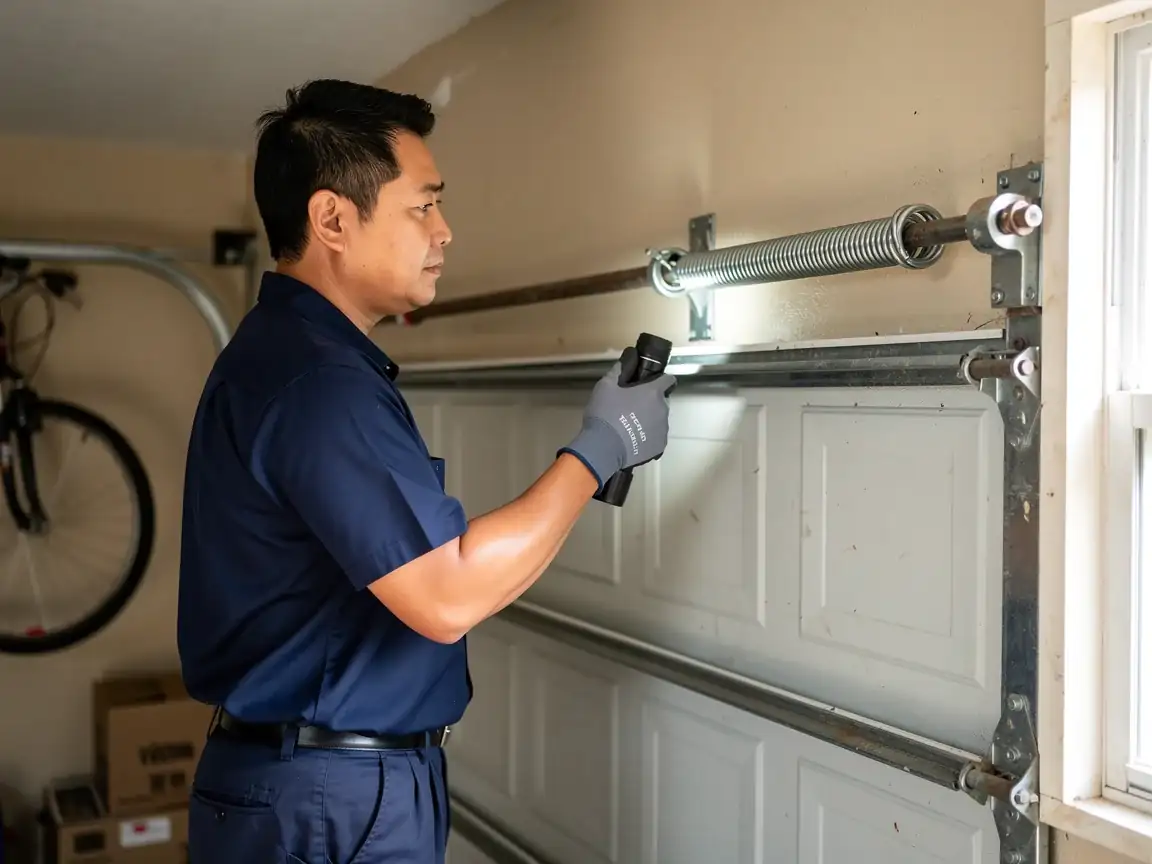
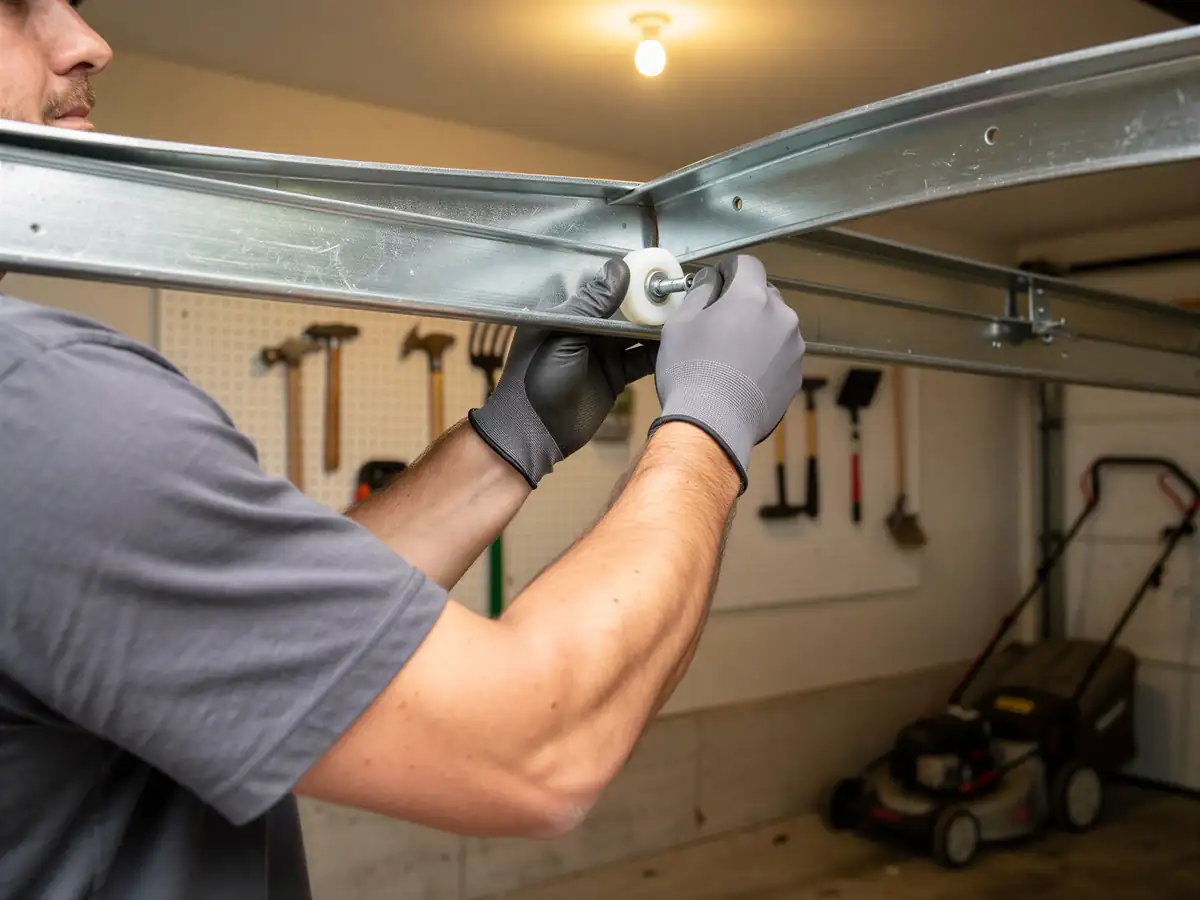
Call when the door starts cycling unevenly - one side dropping faster than the other on the way down is almost always a spring losing tension, and on a 1970s or 80s torsion system that's not a DIY adjustment. Call if the opener grinds or hesitates before it catches; on hardware this old that's usually a gear or capacitor near the end of its life, not a settings problem. Loud banging on open or close, visible fraying on a cable, or a door that reverses itself partway through closing are all worth a same-week call rather than a watch-and-wait. One limitation worth saying plainly: if a door is original to a house from the early part of that 1967-1997 build range, parts for some of those older torsion systems aren't something every supplier stocks, and a repair quote can sometimes come back close to the cost of replacement - in that case the honest call is to replace rather than chase parts for a system nobody makes anymore. If you're not sure which side you're on, that's exactly what a service call is for.
How it works
From “it’s stuck” to “it’s fixed”
1
Tell us what’s wrong
Describe the symptom - won’t open, loud bang, opener runs but the door won’t move.
2
On-site diagnosis
A technician tests the door under power and by hand and finds what actually failed.
3
Clear, up-front plan
You get the fix that’s needed and what drives the cost - before any work starts.
4
Repaired & tested
The repair is done, the door is set true and tested, and the work area left clean.
Not sure which repair your door needs in Malibu, CA? Describe what it’s doing - every job starts with a diagnosis.
Straight answers about garage door repair in Malibu. Still unsure? Ask us directly.
How old does my garage door have to be before you'd recommend replacing instead of repairing?
It depends more on the specific part than the age alone, but houses in this area built in the earlier part of the 1967-1997 window sometimes have torsion hardware that's hard to source parts for. When a repair quote starts closing in on replacement cost, replacing usually makes more sense long-term.
Does Malibu's climate mean less maintenance than other areas?
Mild temperate conditions mean less freeze-thaw stress on seals and metal than colder climates see, so hardware here often lasts longer before it needs attention. It doesn't mean no maintenance - worn springs and aging openers still fail on their own schedule regardless of weather.
Do you cover areas outside Malibu itself?
The service area extends out to places like Westlake Village, Topanga, Oak Park, and several other nearby communities at various distances. Coverage and travel depend on the specific location, so it's worth confirming when you call.
What does a typical service call check first?
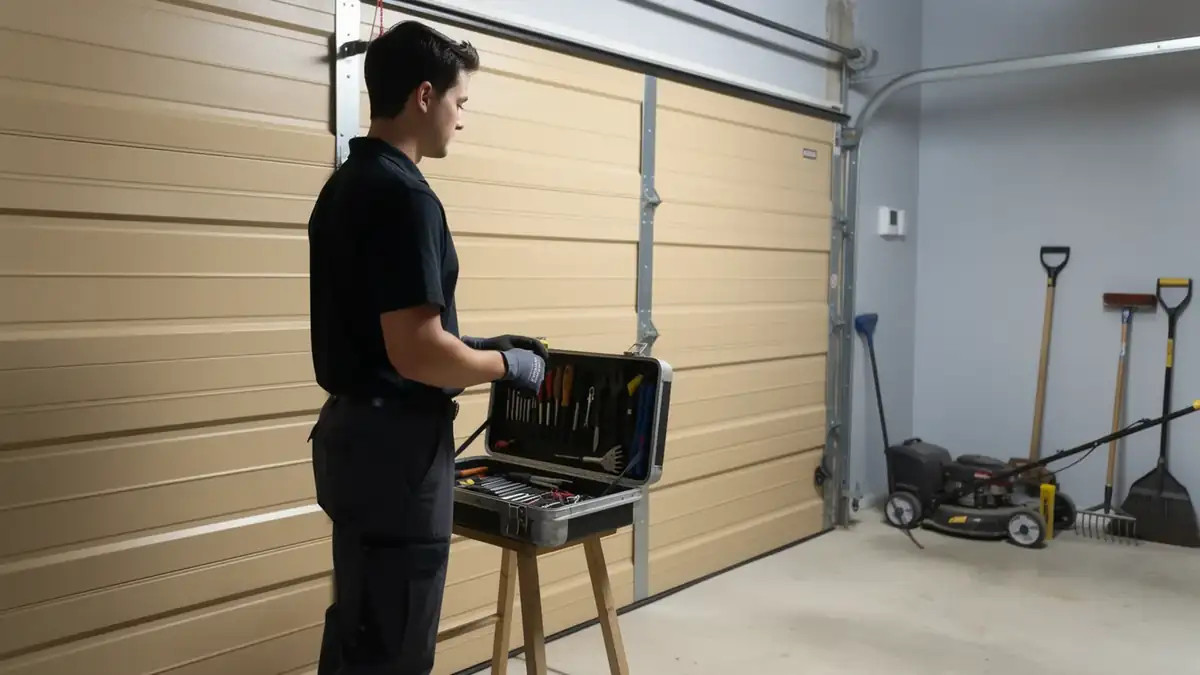
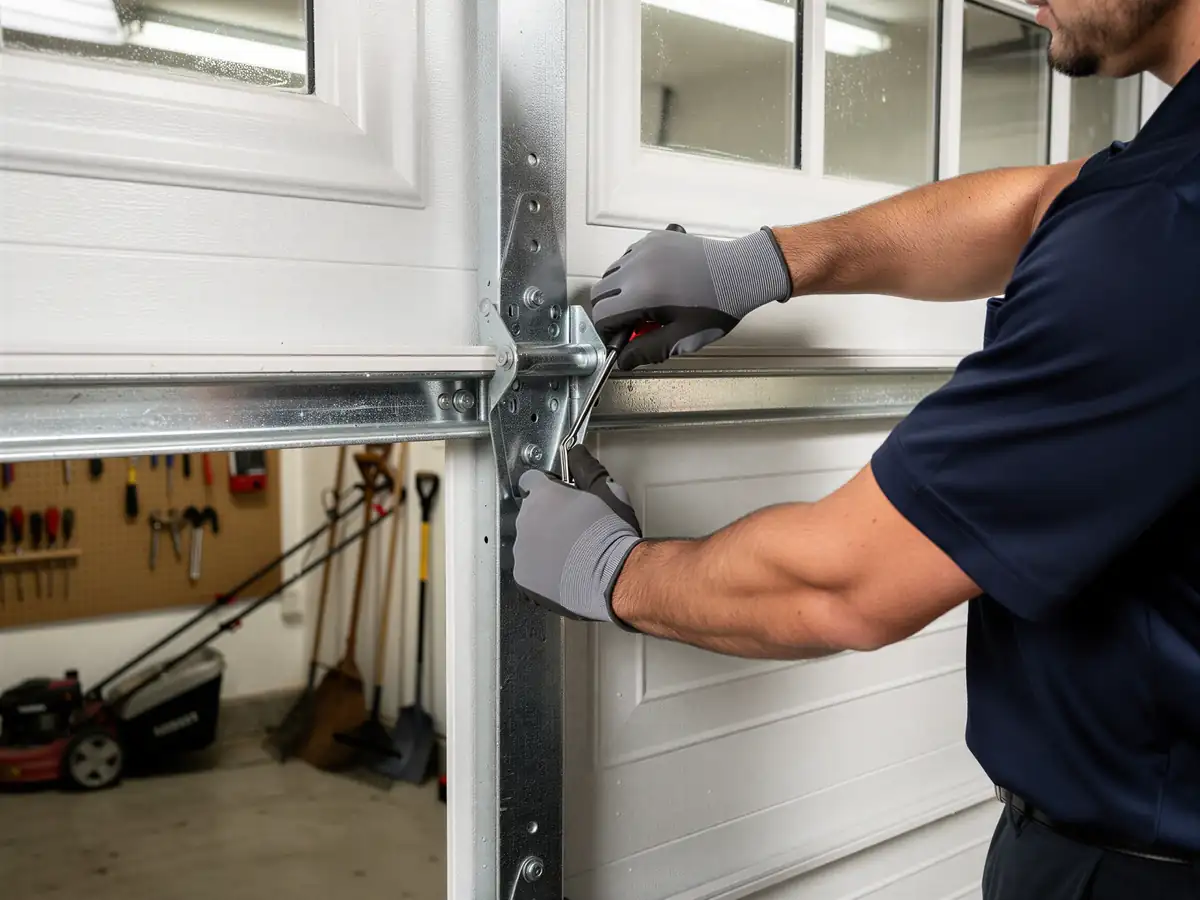
A tech checks spring balance, cable condition, track alignment, and opener function in that order, since an unbalanced door is the most common root cause of noise, grinding, or uneven movement on homes with original 1970s-90s hardware.