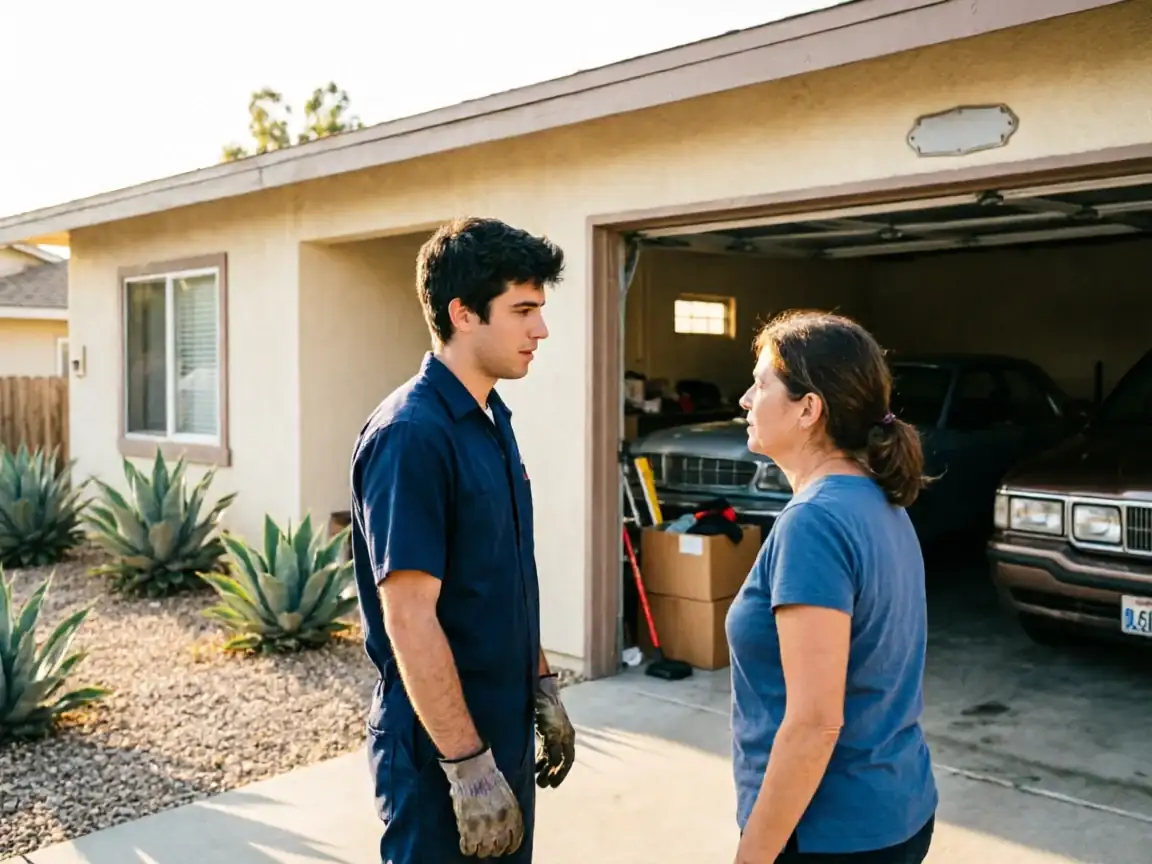
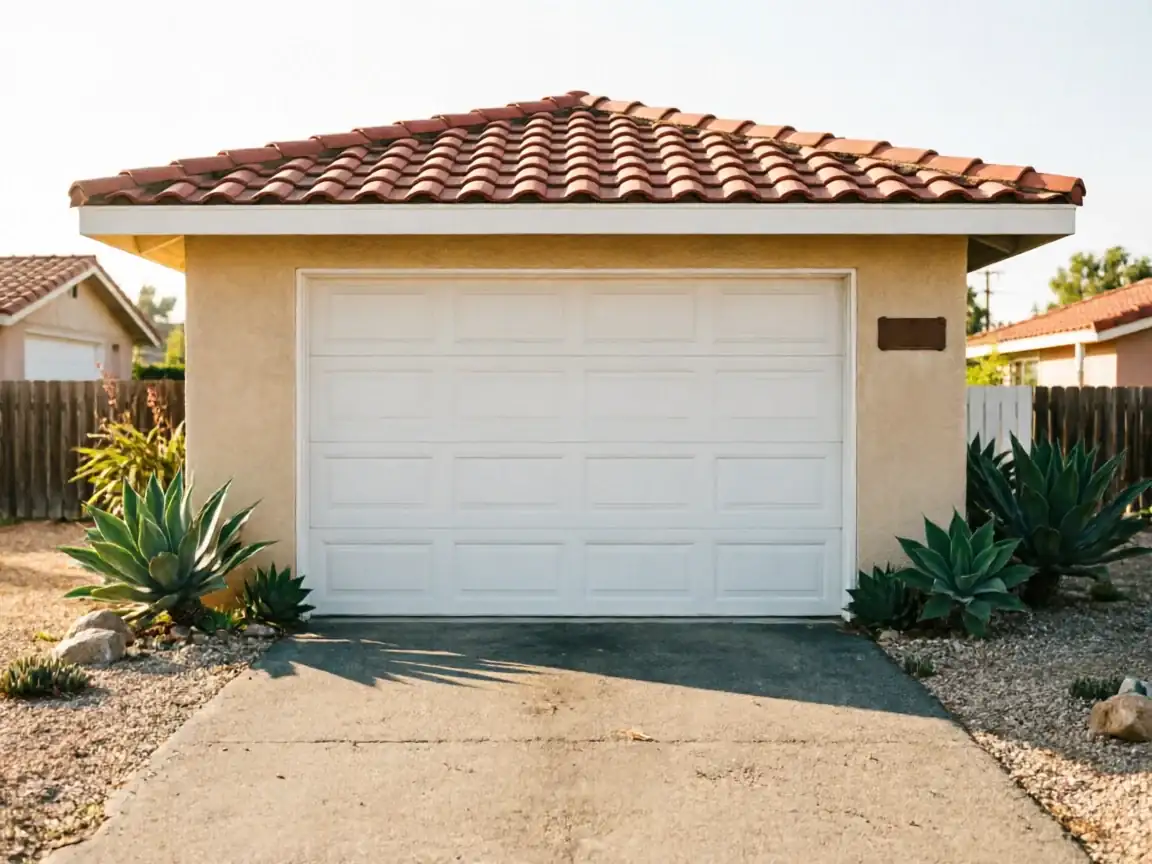
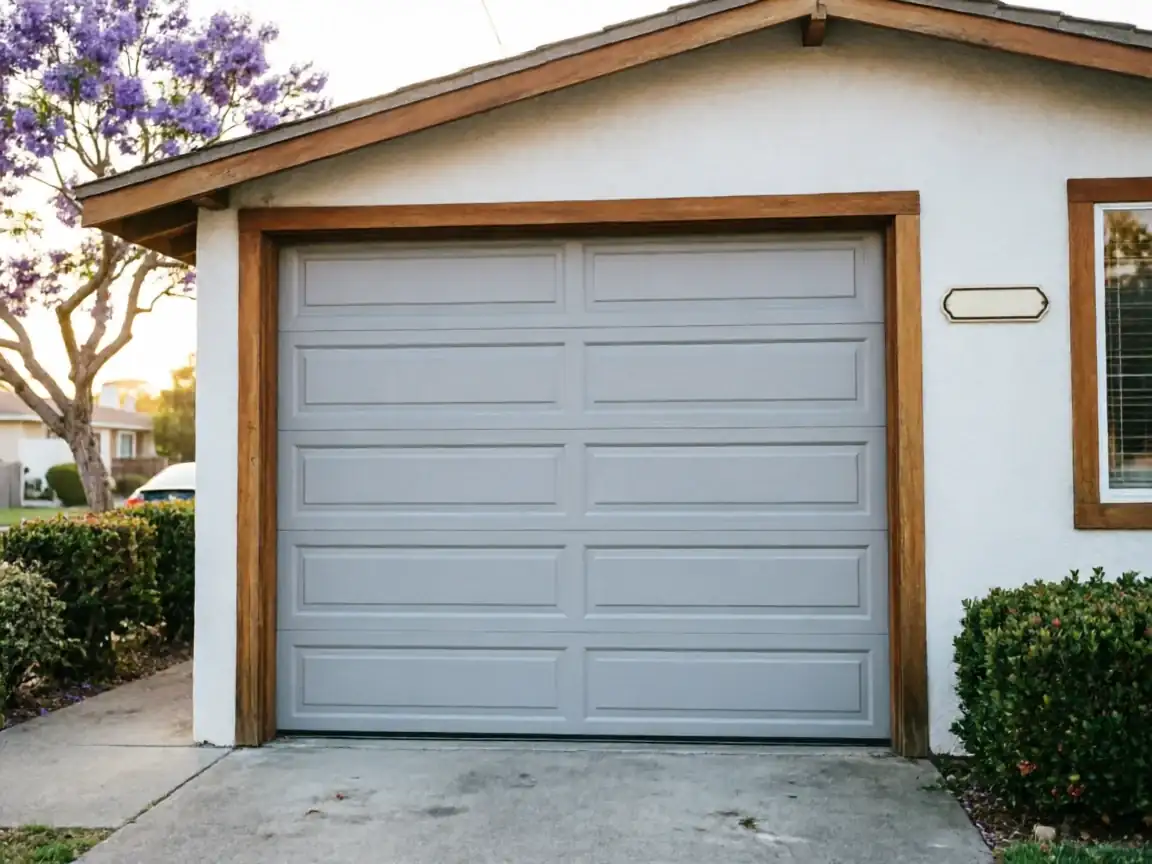
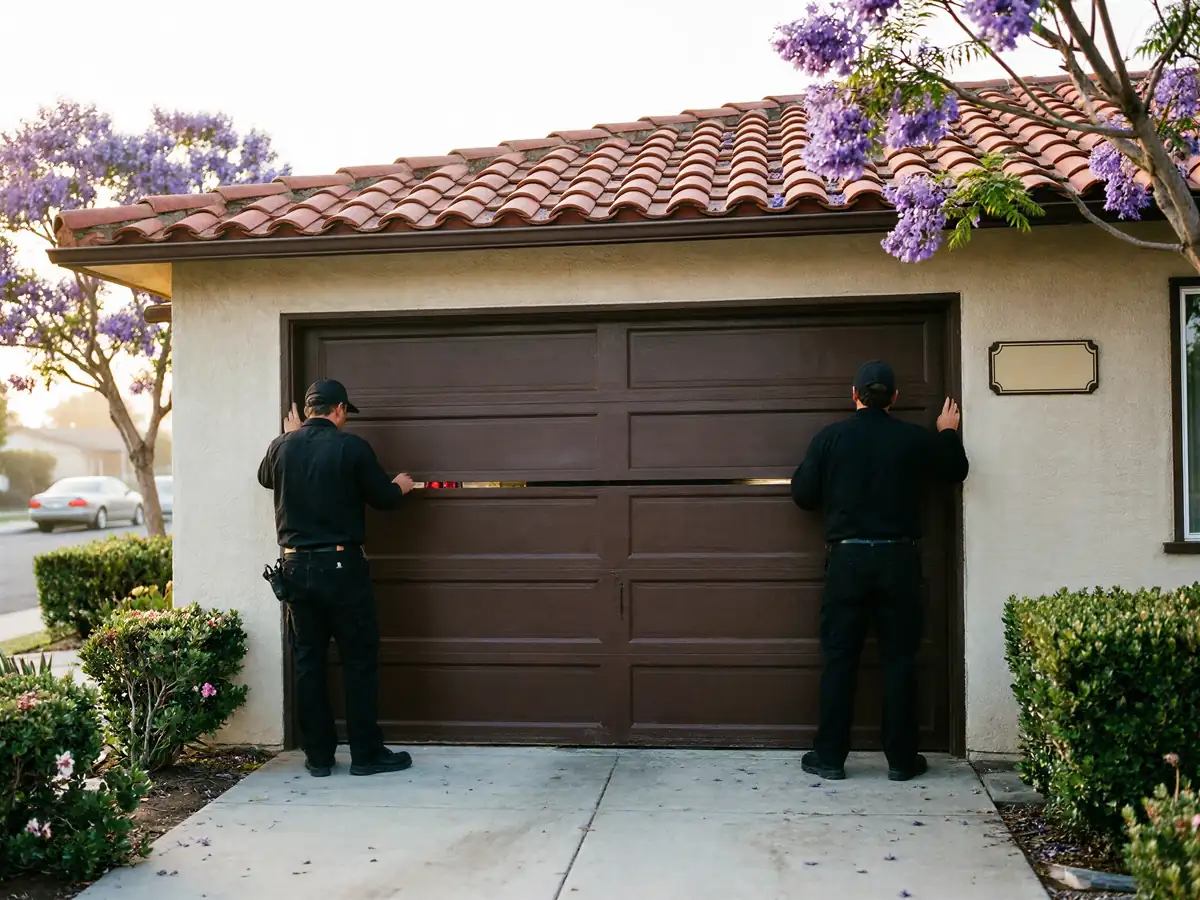
Opener installation for Santa Rosa Valley's mid-1980s homes, done by a Malibu crew that drives the 17 miles out and knows what that era of garage actually needs.
The math on a new opener rarely forces a choice between fixing and replacing - most owners here can just replace. That's worth saying up front, because it changes the conversation from the one we have in older, denser parts of the service area where a $174,069 median income means people squeeze a few more years out of a dying motor. Here, if your opener is grinding, reversing on its own, or skipping the remote half the time, the honest move is usually a new unit rather than a rebuild.
$176,389 median household income
02
That said, do-it-yourself has real limits
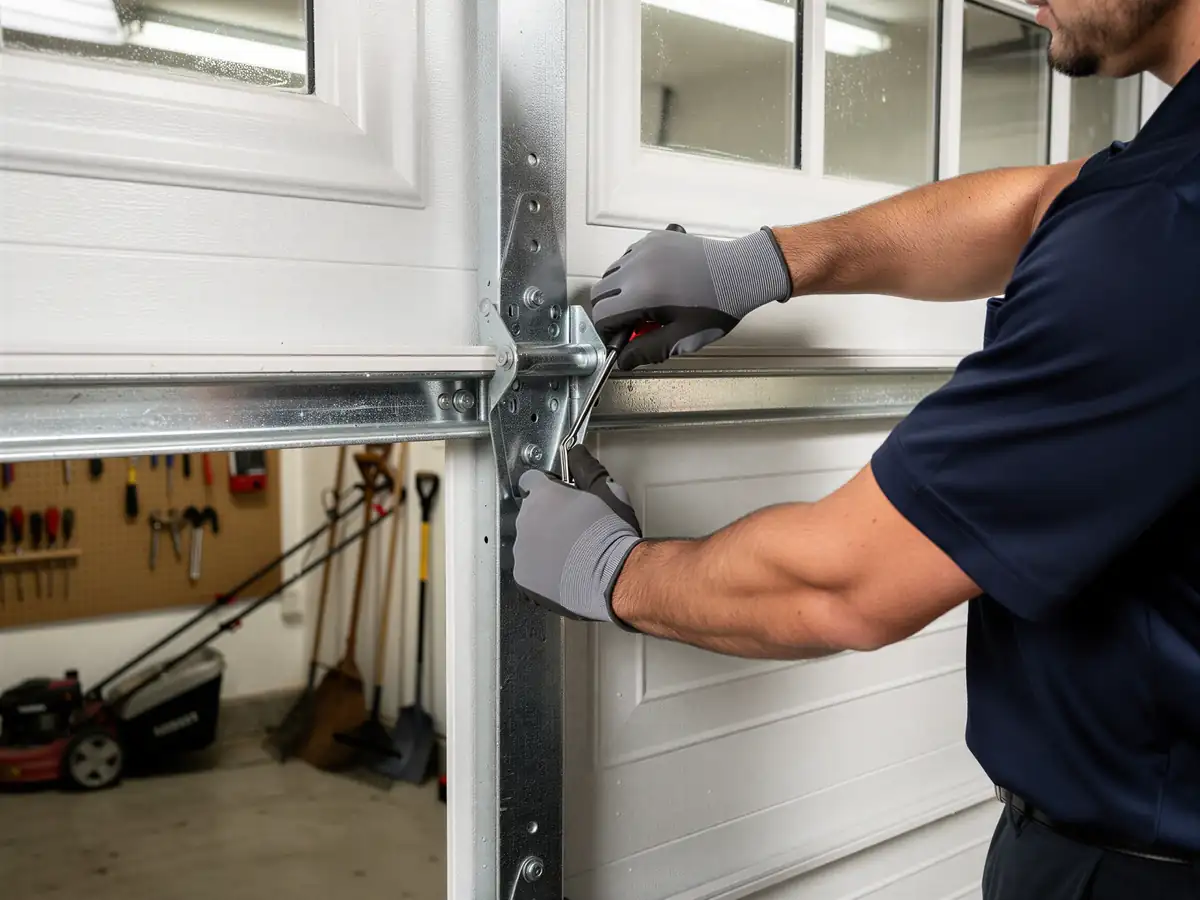
Swapping a plug-and-play opener head on an existing rail is a reasonable weekend project if you're handy. Rewiring safety sensors, setting travel limits on a door with the wrong spring tension, or mounting a new unit on bracketry that's thirty-plus years old is where people get hurt or just buy the wrong opener twice. We'll tell you straight if your situation is a DIY job - we don't pad every call into a truck roll.
Time on the Job
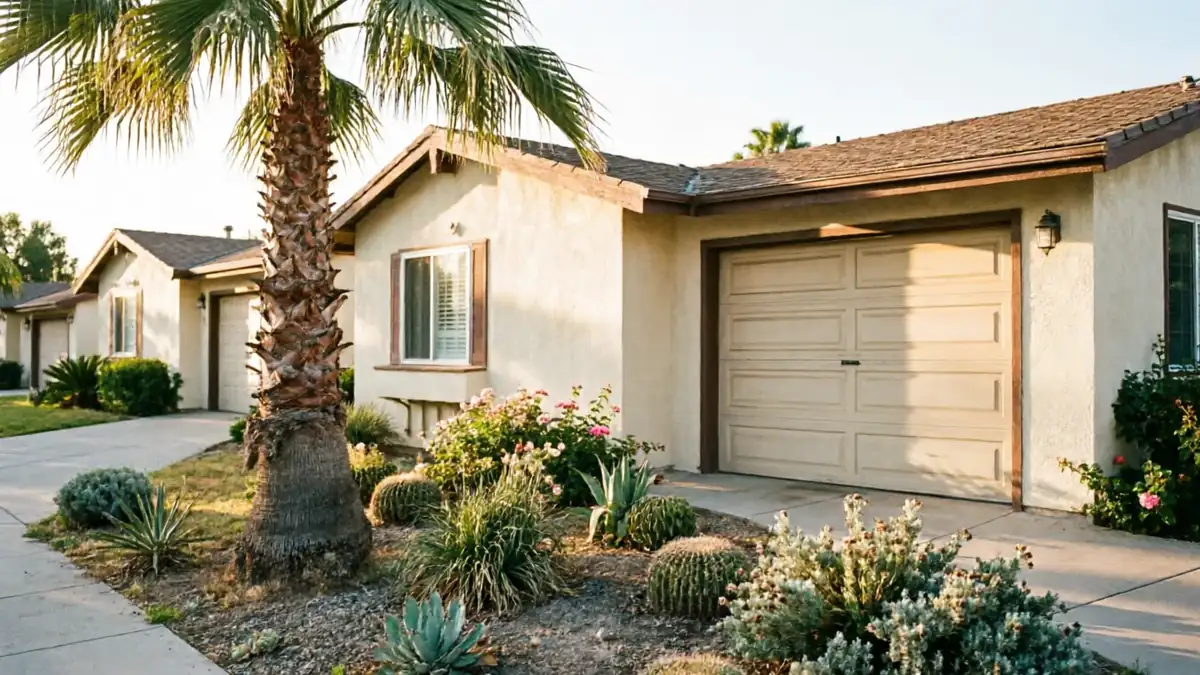
A straightforward opener swap, where the door, track, and wiring are sound, runs a few hours start to finish - mounting the unit, programming remotes and keypads, setting travel and force limits, and testing the auto-reverse safety feature. Houses in Santa Rosa Valley mostly date to the mid-1980s (median year built 1985), which is later than much of the wider Malibu service area's 1960s-70s stock. That later build date usually means standard framing heights and factory-spec headroom, so the install itself tends to go faster here than on an older door we're also rebuilding around.
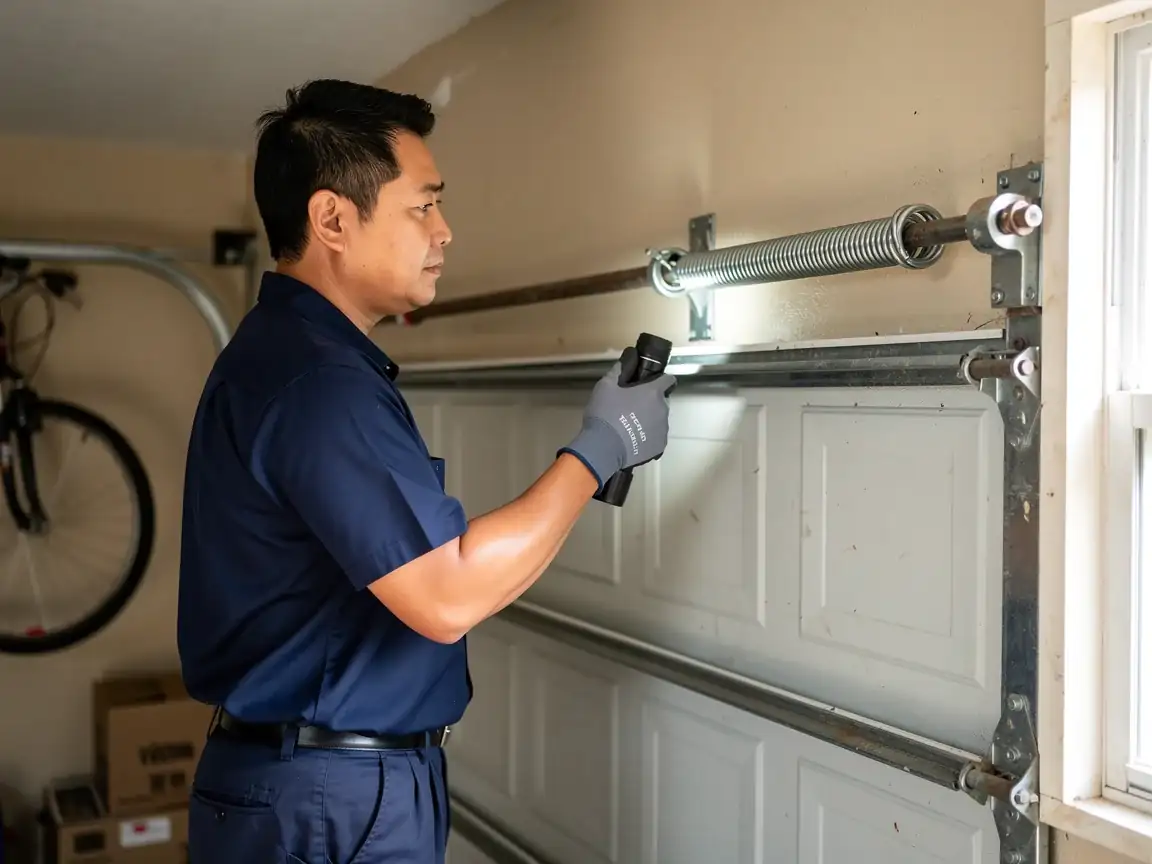
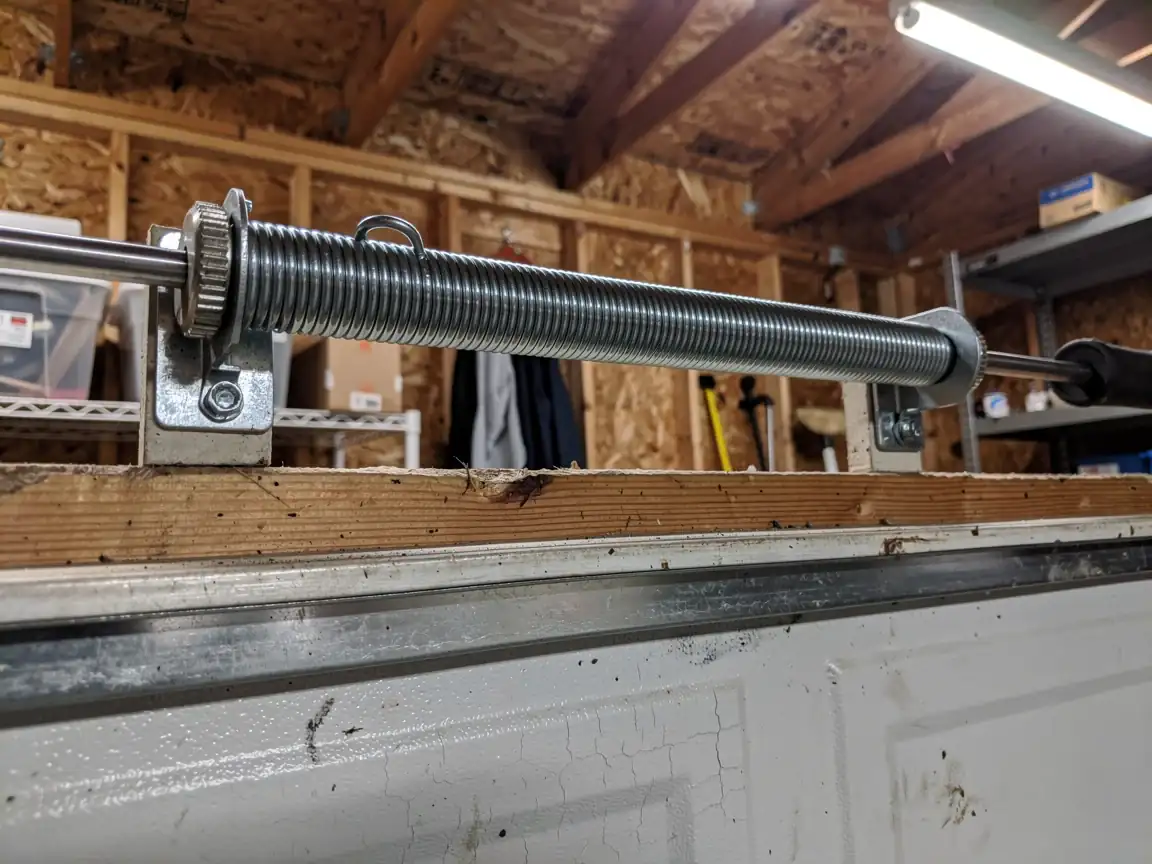
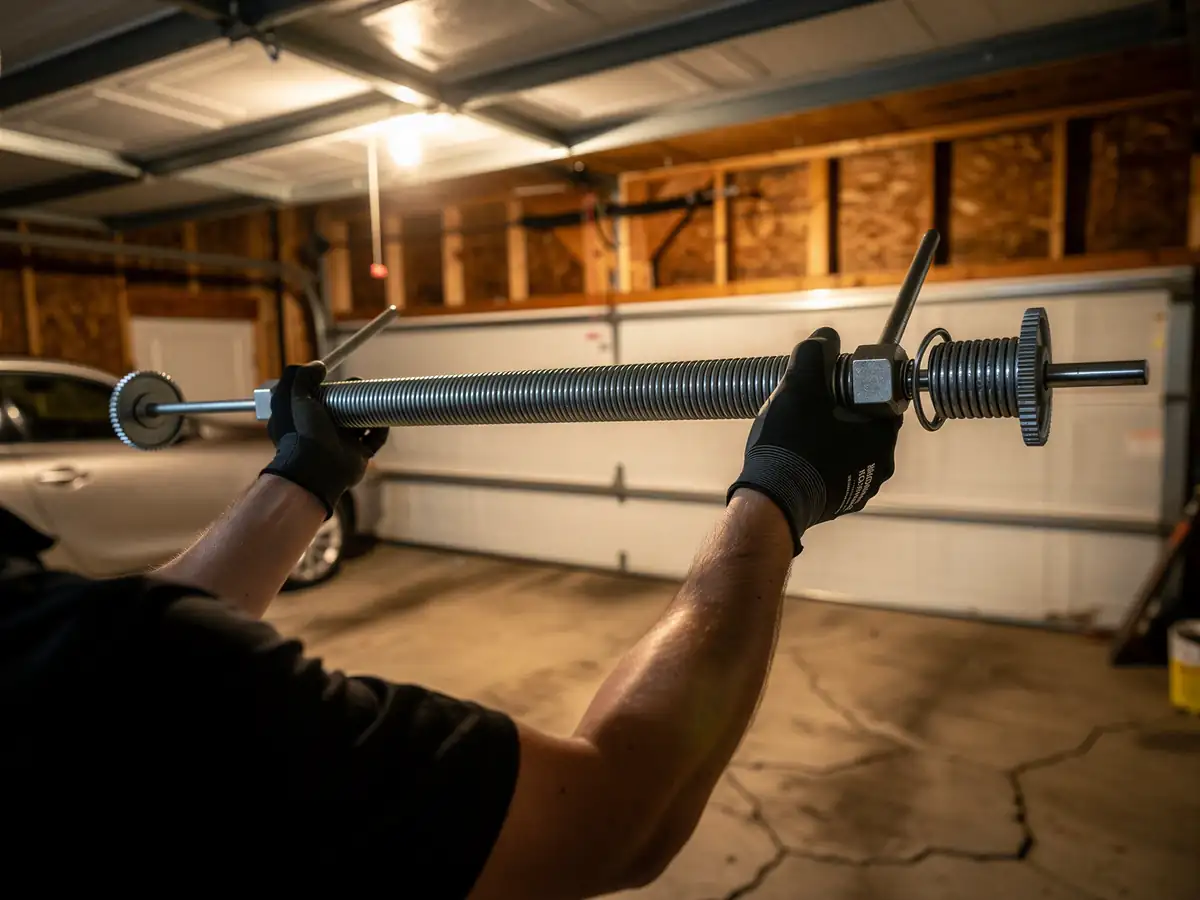
Where it runs long is when the existing opener has been bolted to a cracked header board, or the door itself is out of balance and needs spring adjustment before an opener can be trusted to lift it safely. We check balance before we mount anything new - an opener fighting a misbalanced door burns itself out early, and nobody wants a return trip.
What Can Go Wrong
The openers that originally went into 1985-era Santa Rosa Valley garages were mostly chain-drive units of their time - reliable but loud, and many are now on their second or third logic board after decades of sun and salt air working on the electronics. The common failure isn't the motor itself; it's the drive gear stripping, the circuit board corroding, or a safety sensor pair that's drifted out of alignment and throws false reversals.
One honest limitation: if your opener is original to the house, we won't try to source a matching replacement part. Thirty-plus-year-old opener parts are not something we stock, and hunting them down usually costs more in time than a new unit costs in dollars. We'll say that plainly instead of stringing out a repair that isn't worth it.
How It Shows Up
01
Most calls start with something small
The remote works from the driveway but not from the street, the door reverses halfway down for no clear reason, or the motor hums without moving the door at all. On a chain-drive unit from the 1980s, a hum with no movement is often the capacitor or the drive gear giving out - not something worth chasing with a screwdriver.
02
Sometimes it's quieter than a failure
Owners simply want a quieter belt-drive unit with battery backup, since this area's mild temperate climate doesn't put the same demands on hardware that extreme heat or freeze-thaw cycles would elsewhere, but power blips still happen. Either way, the pattern we see in Santa Rosa Valley skews toward replacement rather than patch-repair, given the age of what's already installed.
How to Book
We cover Santa Rosa Valley from Malibu, roughly 17 miles out, so we schedule the drive into the job rather than promising a same-hour arrival. Tell us what the opener is doing - or not doing - when you call, and we'll bring the right unit options rather than guessing on site. You can see the rest of what we cover for this area on our service area page, and if you're after the full rundown on opener installation generally, that lives on our Malibu opener installation page.
What the Repair Takes
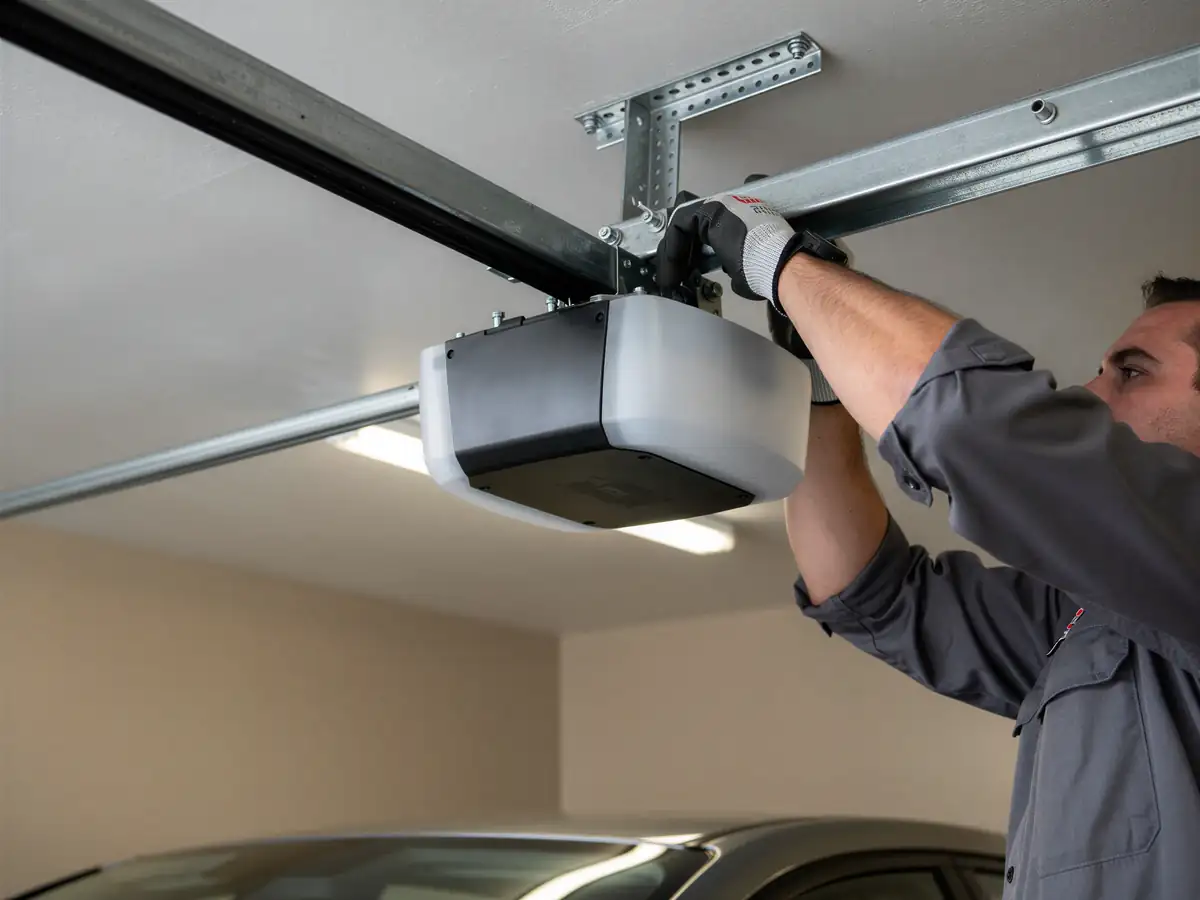
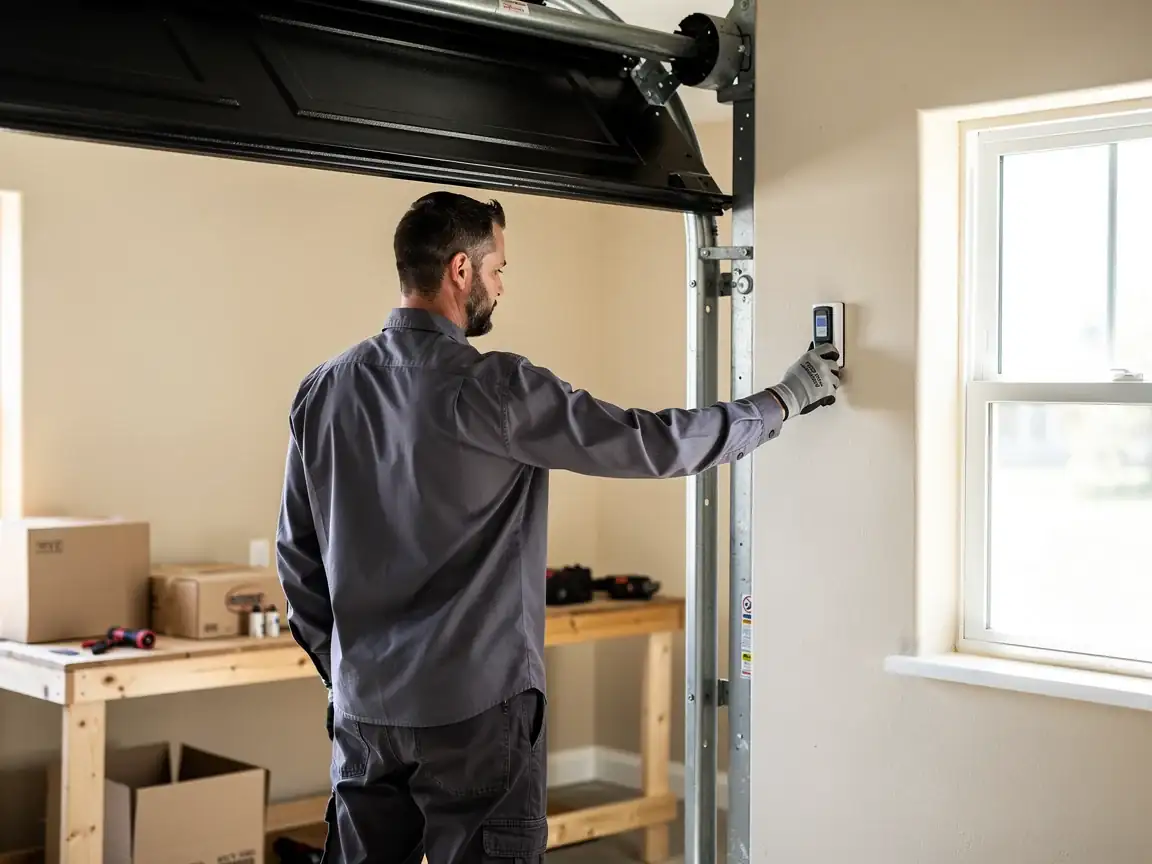
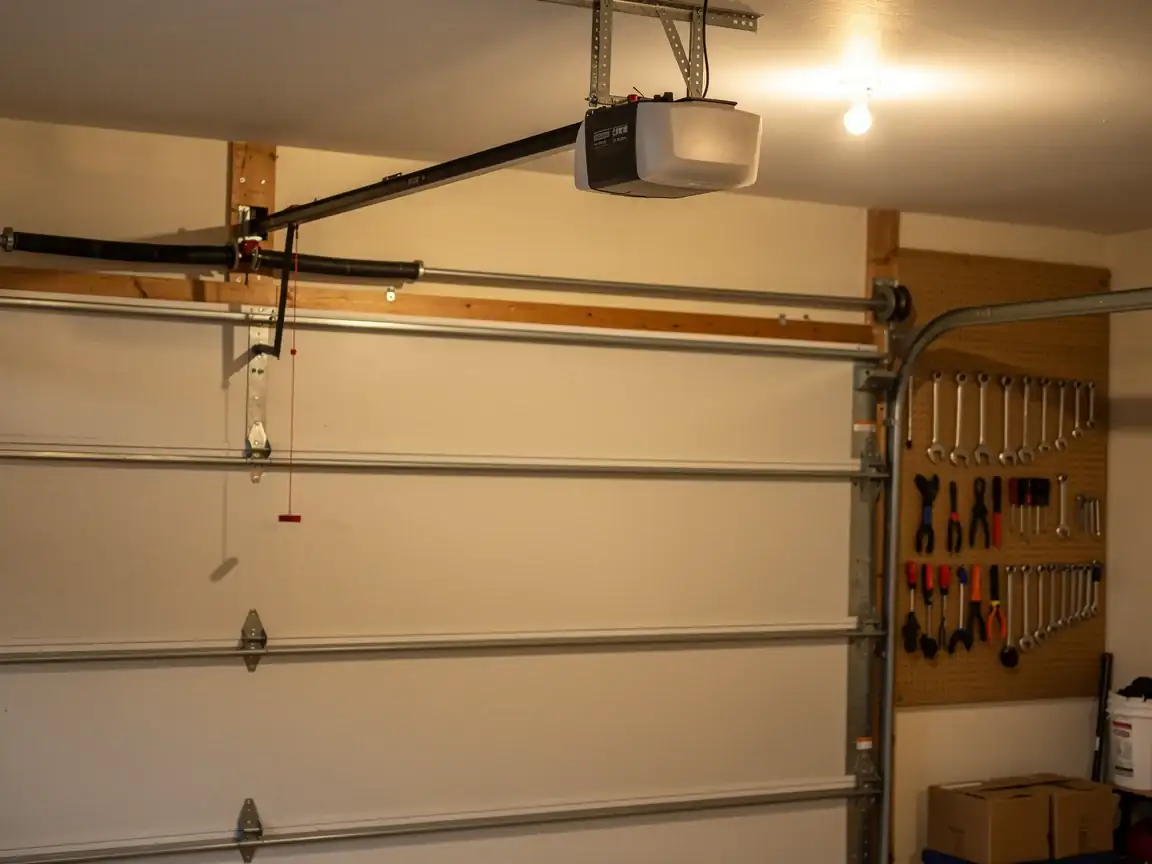
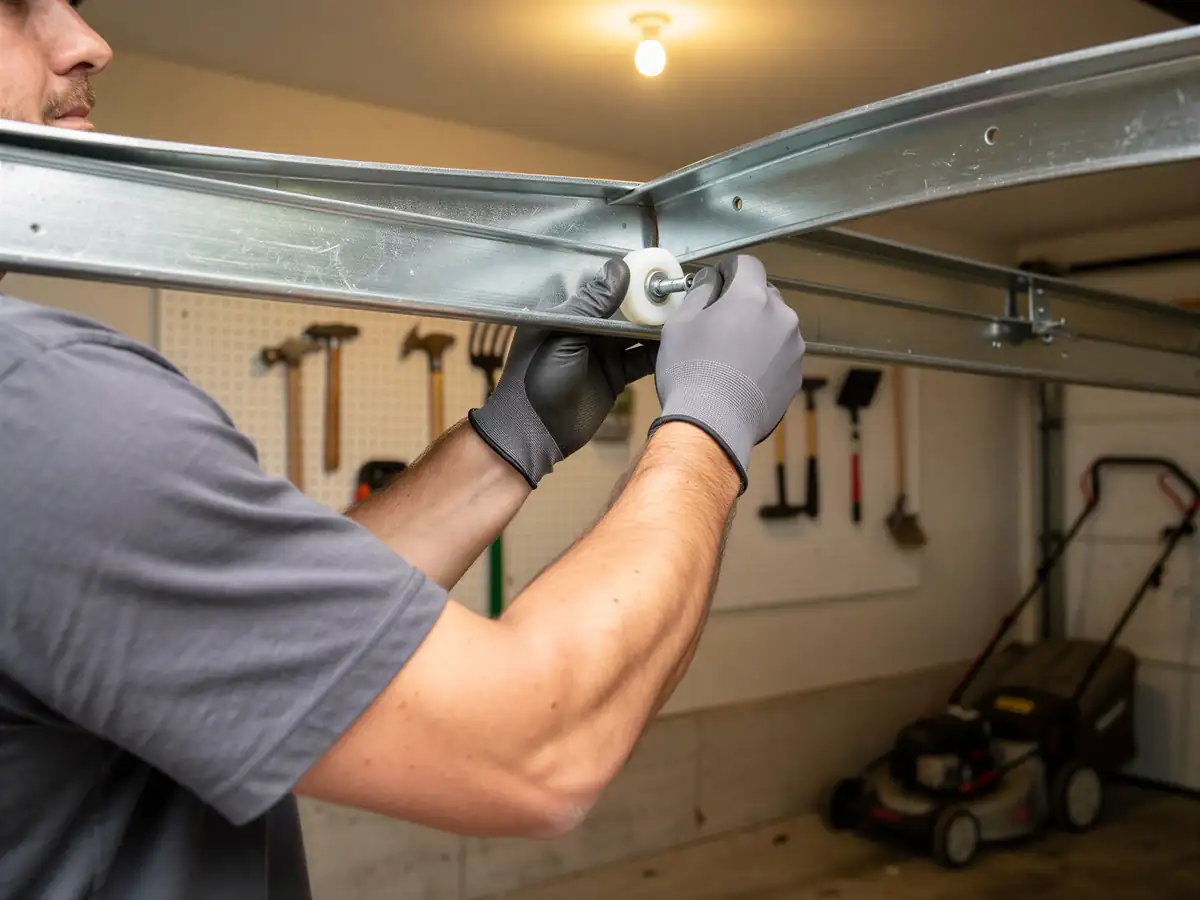
A full opener installation means mounting the new unit, running or reconnecting power, installing the rail and trolley, hanging new safety sensors at the right height, and programming every remote and keypad in the house - then testing auto-reverse with a real object under the door, not just a visual check. With roughly 946 households in Santa Rosa Valley, this isn't an area where we keep a satellite stock of parts; everything rides out with us on the truck from Malibu, which is one more reason we ask what's wrong before we load up.
If your existing track or header is damaged, that gets addressed before the opener goes on - mounting a new motor to bad bracketry just moves the failure point, it doesn't fix it.
How it works
From “it’s stuck” to “it’s fixed”
1
Tell us what’s wrong
Describe the symptom - won’t open, loud bang, opener runs but the door won’t move.
2
On-site diagnosis
A technician tests the door under power and by hand and finds what actually failed.
3
Clear, up-front plan
You get the fix that’s needed and what drives the cost - before any work starts.
4
Repaired & tested
The repair is done, the door is set true and tested, and the work area left clean.
Not sure which repair your door needs in Malibu, CA? Describe what it’s doing - every job starts with a diagnosis.
Straight answers about garage door repair in Malibu. Still unsure? Ask us directly.
Is it worth replacing an opener instead of repairing it in Santa Rosa Valley?
Given the income level here, most owners come out ahead replacing rather than repairing anything older than its first decade, especially original 1980s units where parts aren't stocked anymore. If the fix is a sensor alignment or a remote reprogram, that's worth repairing. If it's the motor or gear, replacement is usually the better spend.
Do you keep opener parts on hand for Santa Rosa Valley calls?
No - we don't keep a satellite stock out this way. Everything we need comes with us on the truck from Malibu, which is why we ask what the opener is doing before we head out, so we bring the right unit the first time.
How long does an opener installation take?
A straightforward swap, with sound track and wiring already in place, usually runs a few hours including programming remotes and testing the safety reverse. If we find a damaged header or an out-of-balance door, that adds time because it needs fixing before any opener goes on.