Opener installs for Topanga's early-1970s houses: older chain-drive units, safety-sensor gaps, and the income line where replacing beats patching. Service from Malibu, 10 miles out.
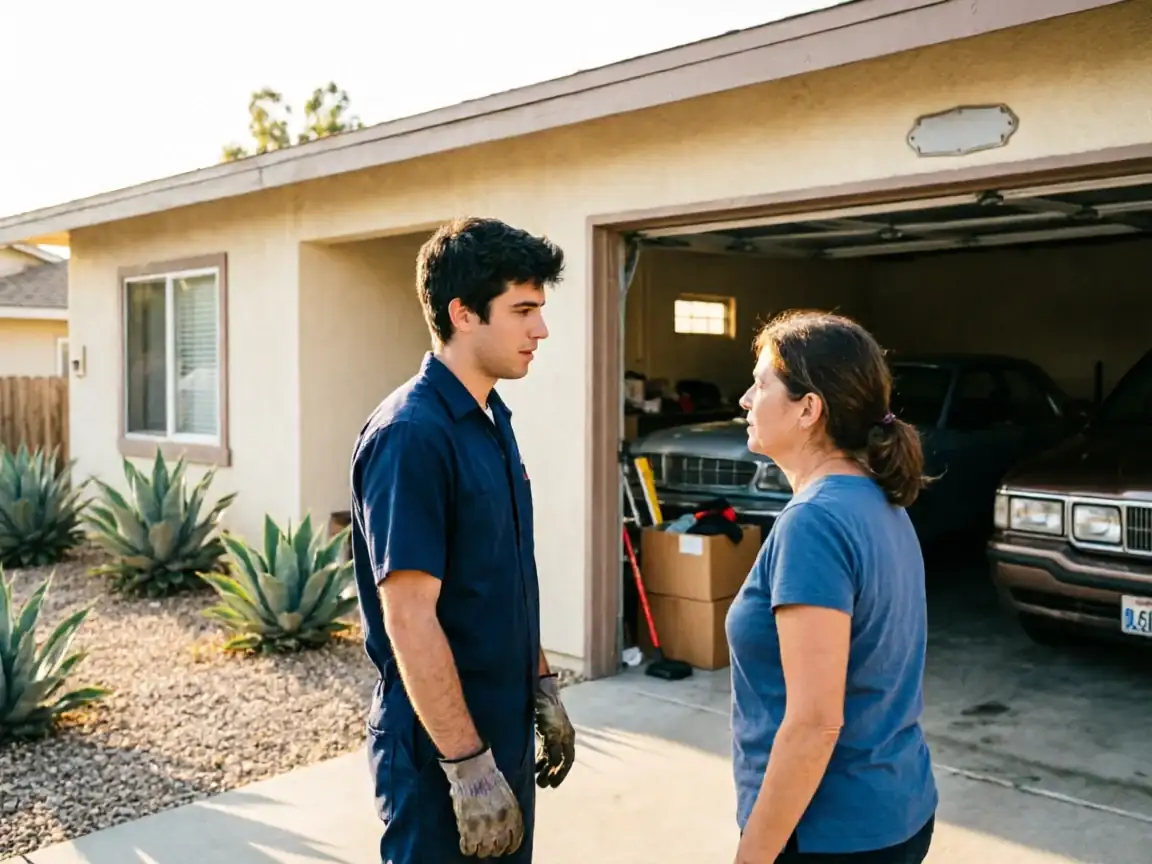
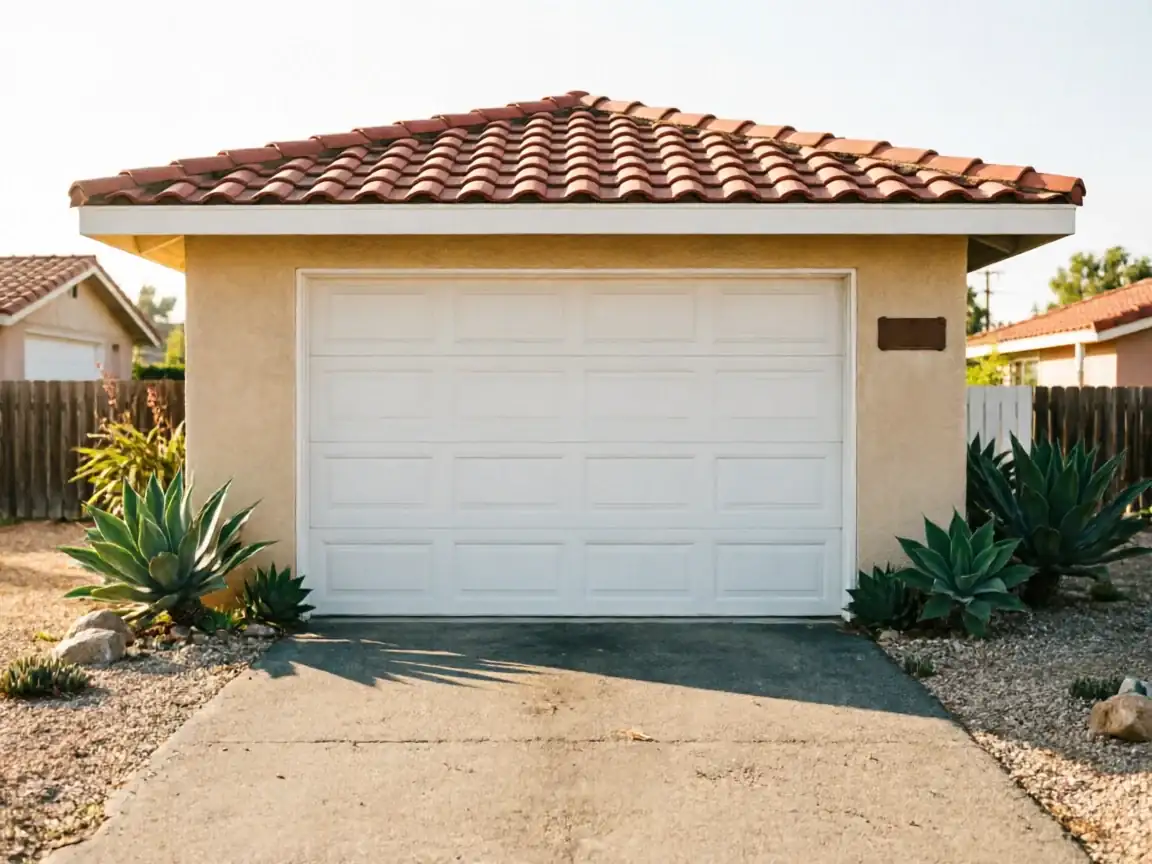
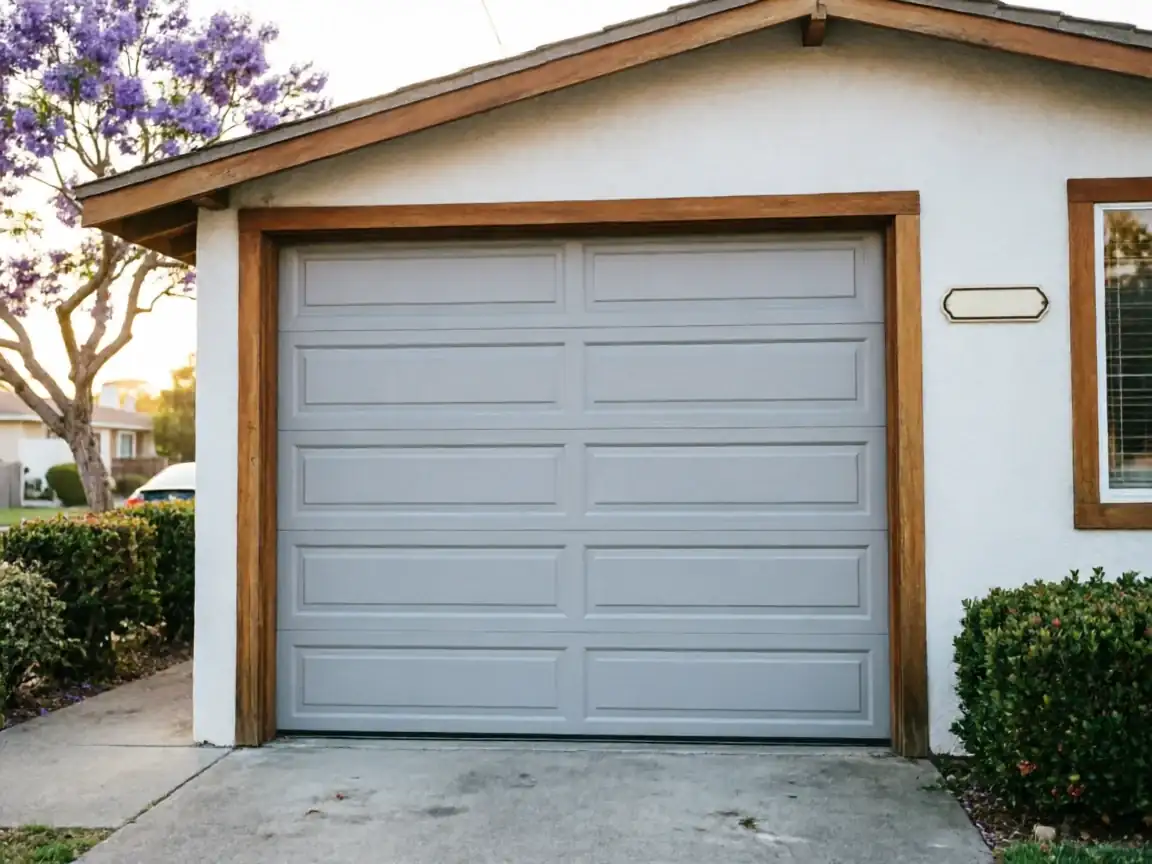
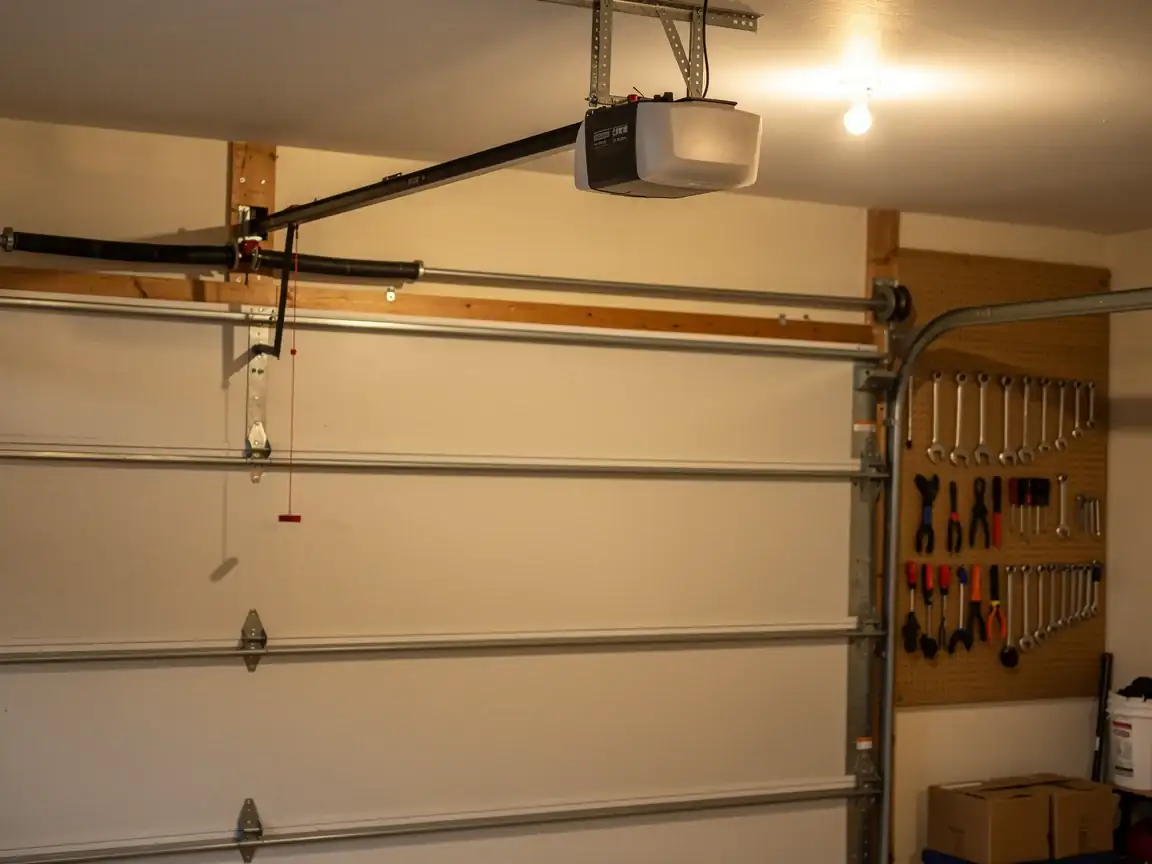
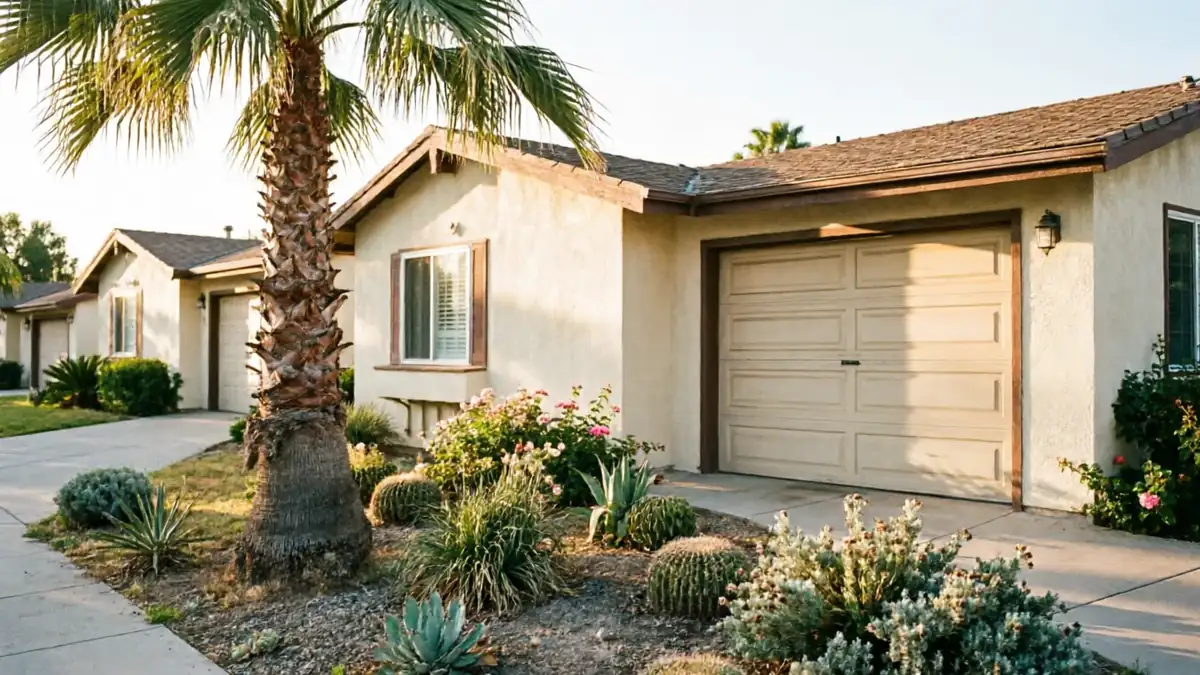
Topanga's median household income runs $142,553, which sits well above where most people start stretching a 15-year-old chain-drive opener instead of swapping it. That matters here because of what's actually on these garages. The bulk of the housing stock in this part of the service area went up through the 1960s and 70s, and Topanga's own median build year lands around 1971. That means a lot of openers still in service were installed as replacements for original units decades ago - half-horsepower chain drives, no battery backup, and often no working safety-reversal sensors because the house predates the 1982 federal rule requiring them and nobody retrofitted when they should have. We see this pattern across the older pockets of the service area, not just one street. With 3,098 households here, that's a real number of garages running hardware that doesn't meet current safety code even if the door itself is fine. The failure mode is usually the same: the opener still runs, but it won't reverse on contact, or the wall button has no lock-out, or the unit simply can't talk to a newer keypad. None of that means the door is bad. It means the drive head is from a different era than the rest of your house's wiring and ought to be treated that way.
The Cost of This Job
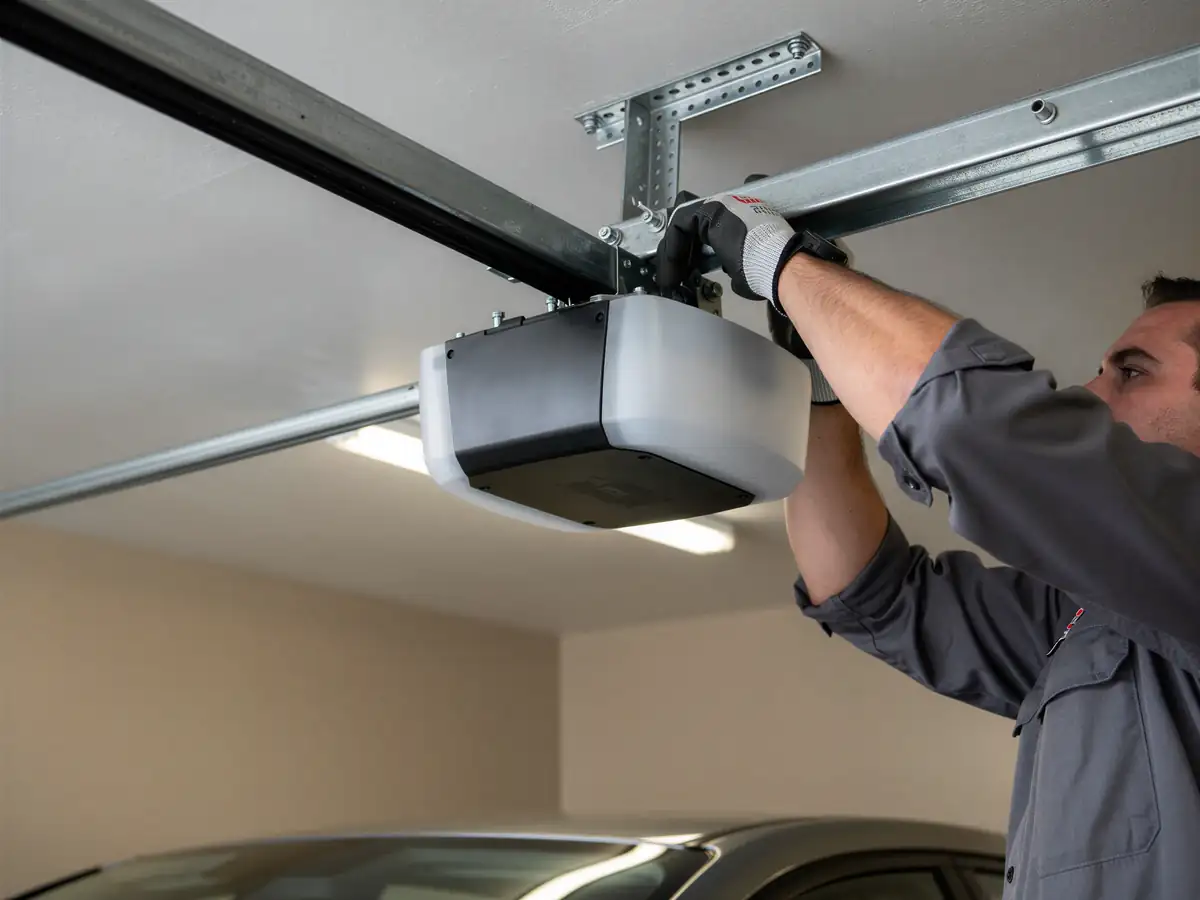
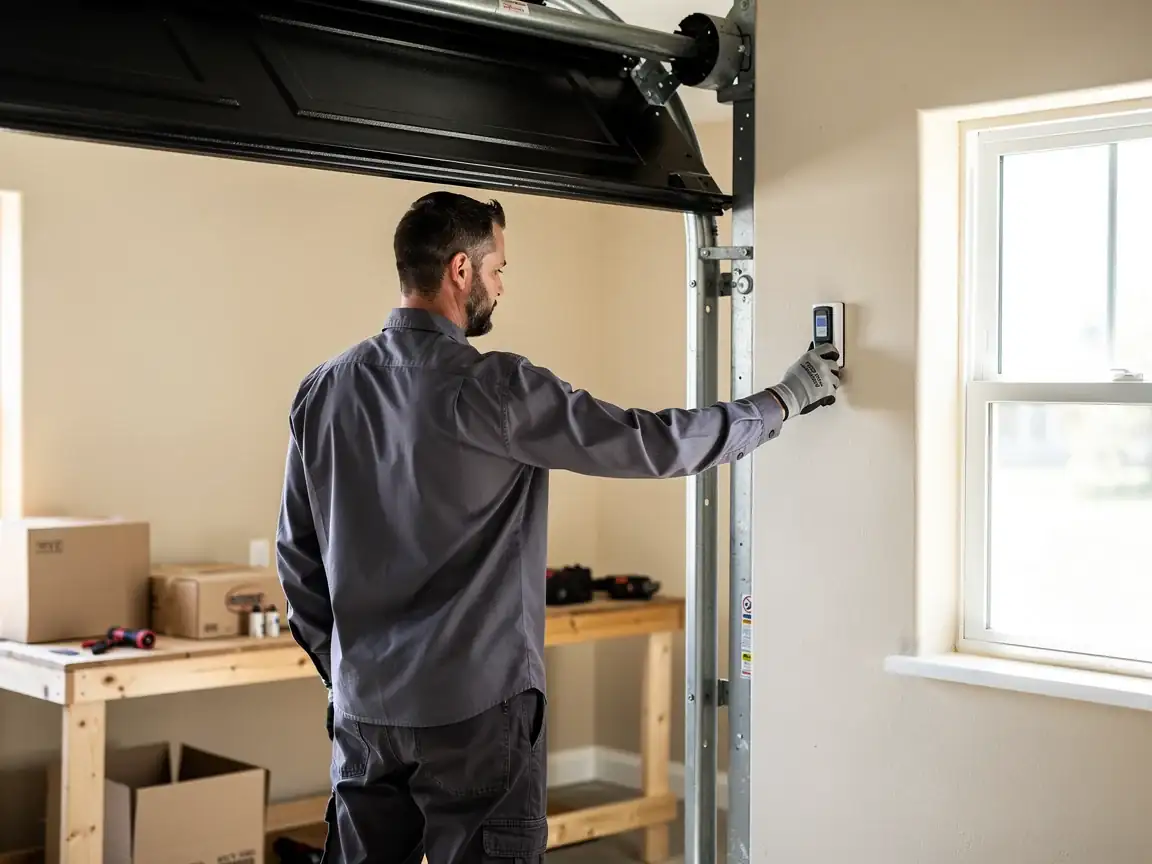
We're not going to quote a number here that we can't stand behind, so there's no price listed on this page - what you pay depends on the door weight, whether we're pulling a dead unit or installing fresh, and whether your existing rail and bracket can be reused. What we can tell you is what drives cost up in houses from Topanga's era specifically: doors from the early 1970s tend to be heavier than what's sold today, which can mean a stronger opener and sometimes new mounting hardware rather than a straight swap. If your garage still has the original header bracket, we'll check it before we trust it with a new motor. The other cost driver is the safety sensor retrofit - if your opener predates the reversing-sensor requirement, that's not optional extra work, it's part of bringing the install up to code. Ask us for a number specific to your door and we'll give you one before anything's unbolted, not after.
Doing It Yourself
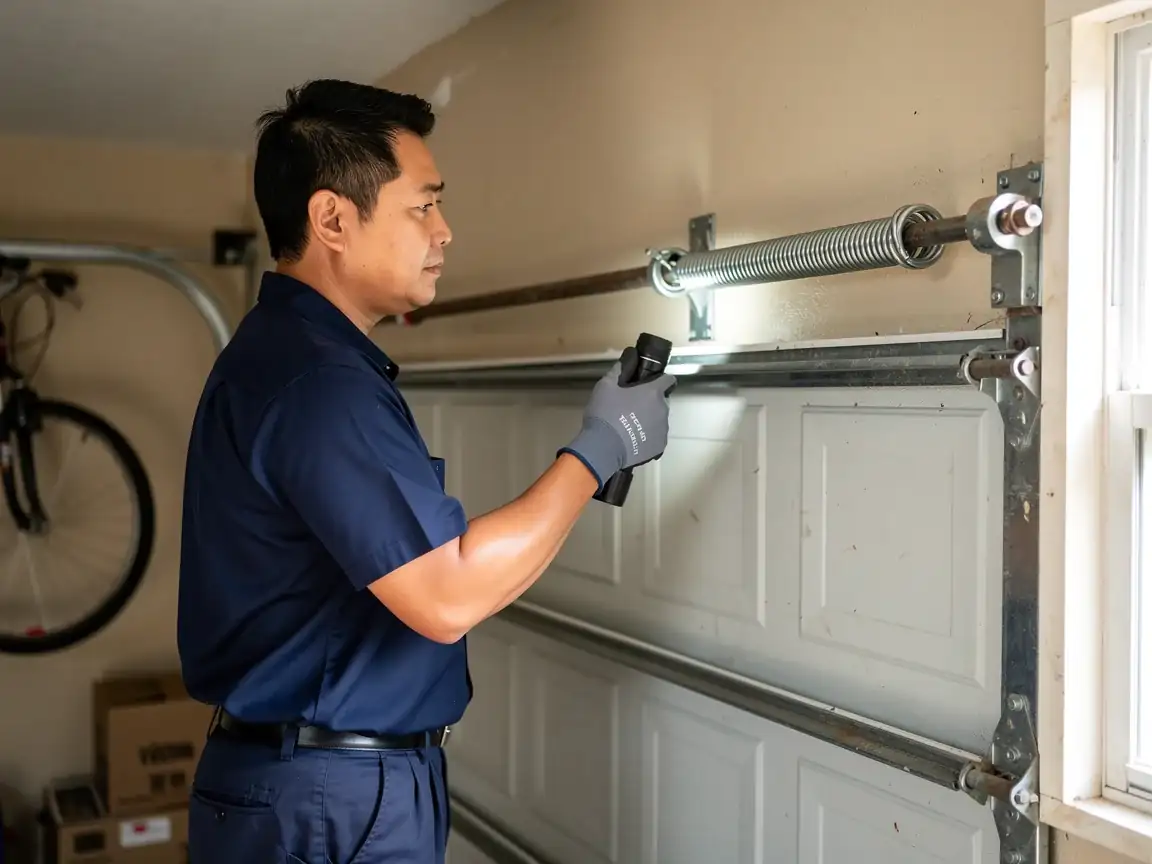
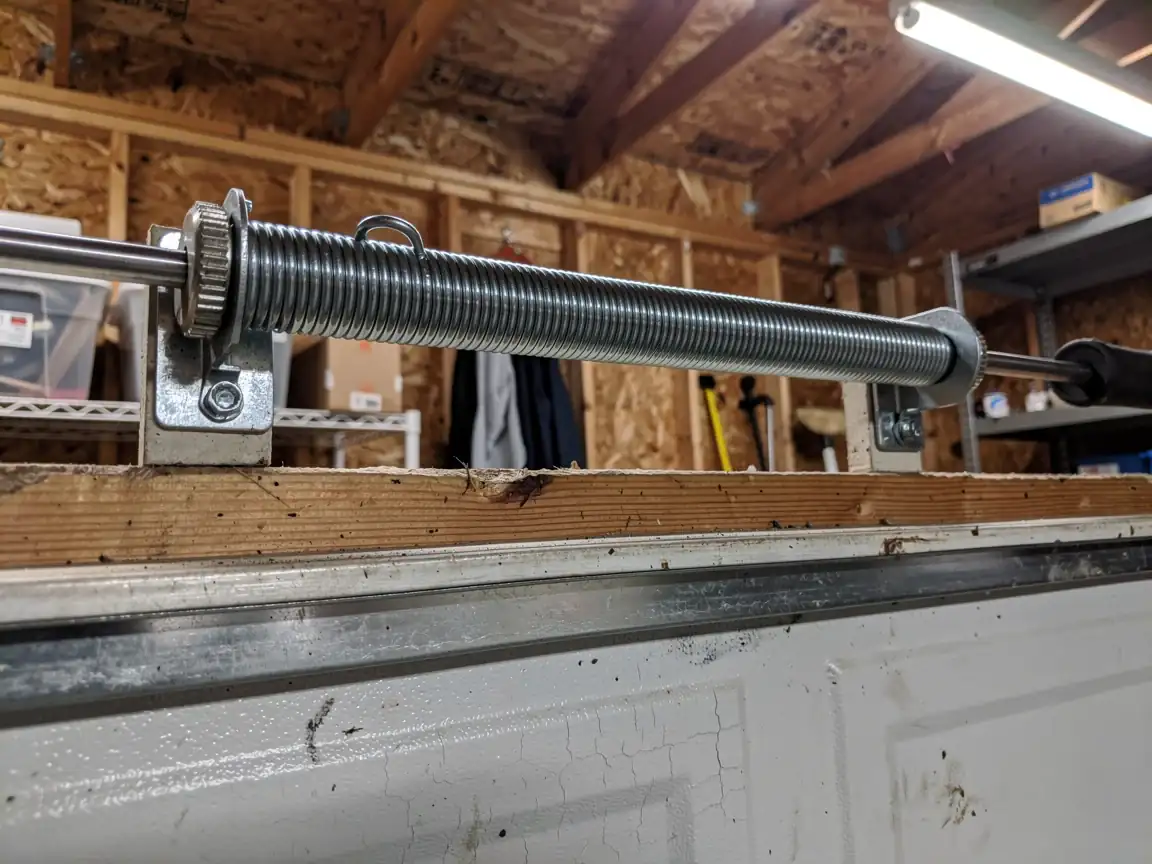
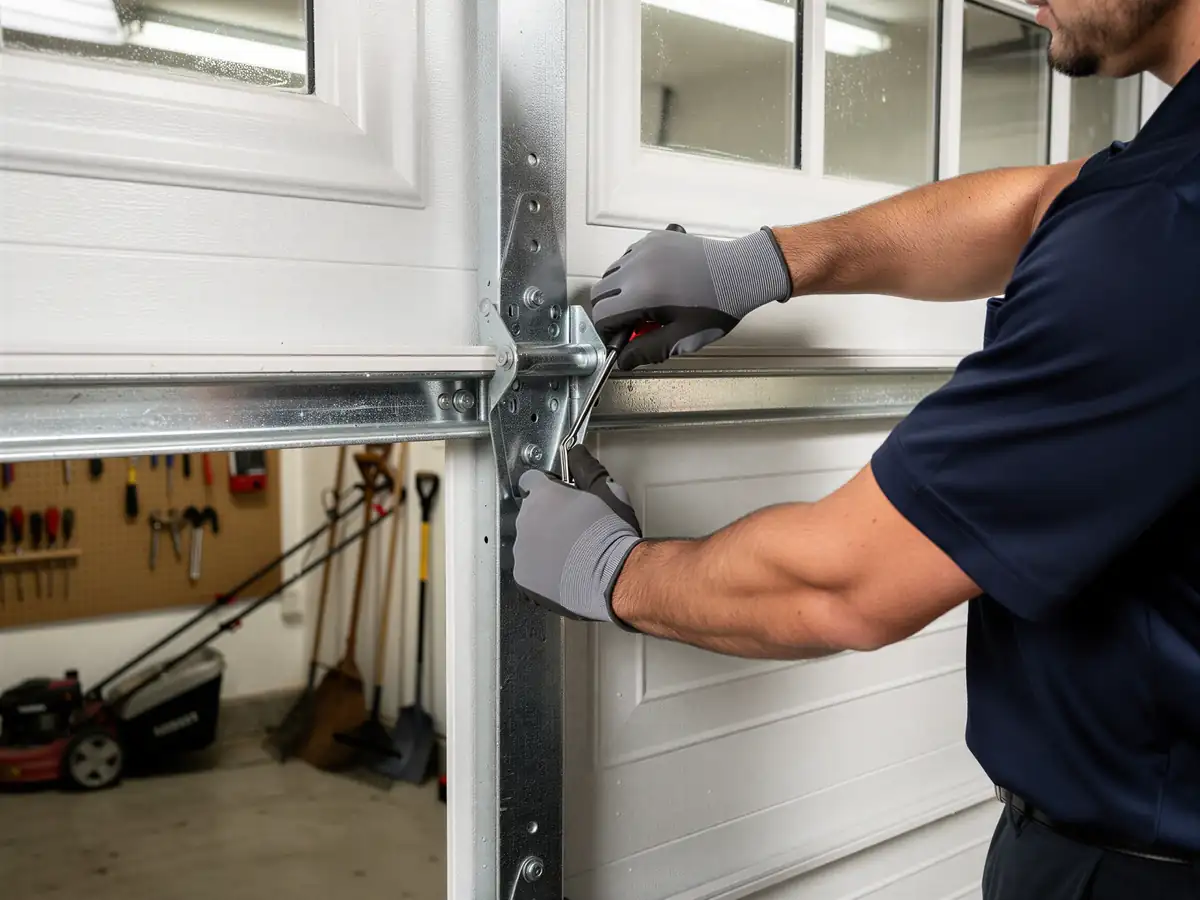
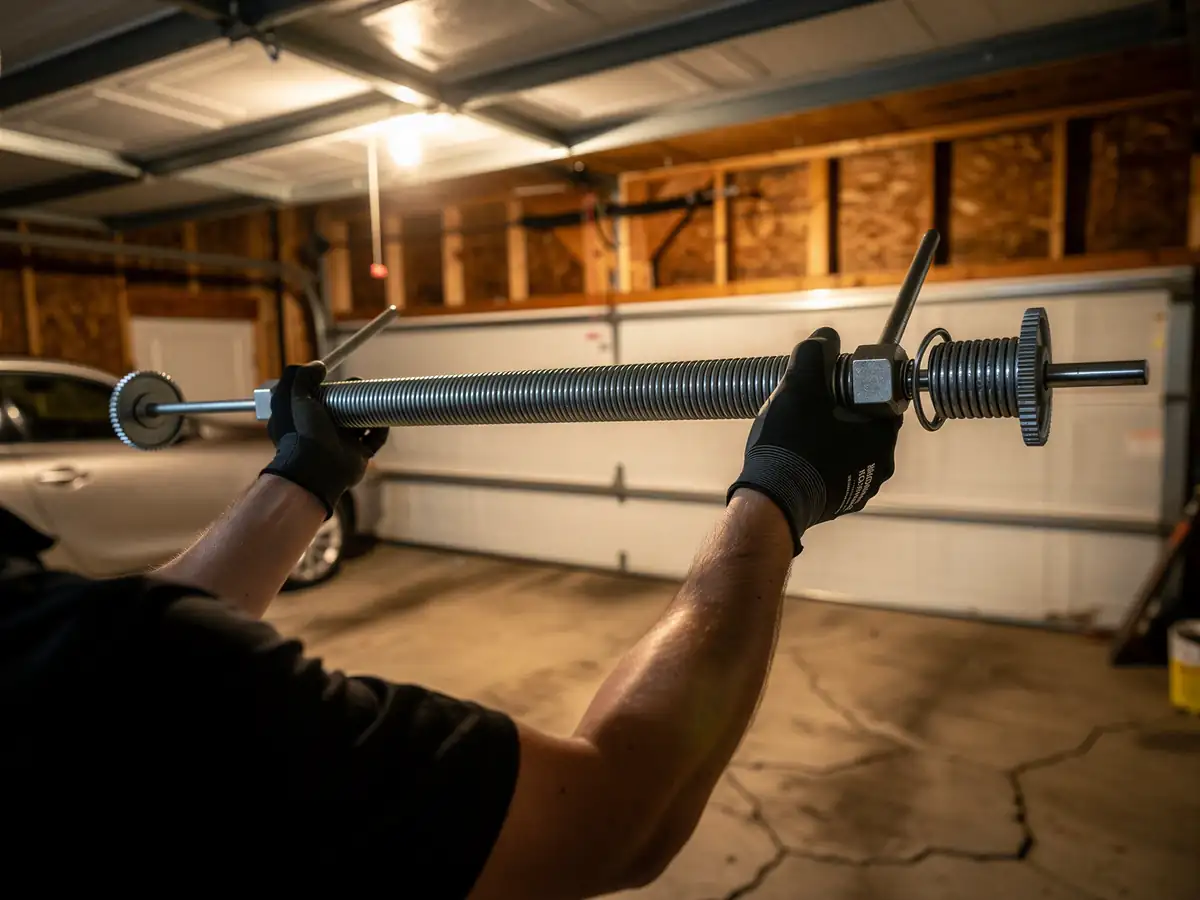
A lot of opener kits are built for a DIY install, and if your door is balanced correctly and your framing is square, that's a fair weekend project. Where it stops being a fair project is exactly the situation common in this area: an older door with worn hardware, where the new opener masks a spring or cable problem instead of fixing it. If the door doesn't glide when you disconnect the opener and lift it by hand, installing a new motor on top of that isn't a repair, it's a new opener straining against an old fault. That's the honest limitation - we won't install a new unit on a door that isn't mechanically sound first, because it just moves the failure point from the opener to the motor mount, and that's a worse job to come back for. If your door lifts smooth and even by hand, go ahead and try the kit. If it doesn't, that's a spring or track issue to sort before an opener goes anywhere near it.
How to Book
We run out of Malibu, about 10 miles from Topanga, so there's no local branch to call - it's a drive we make as part of covering this area, not a separate dispatch. Call or book through the site and tell us what opener you have now, roughly how old the door is, and whether it's chain, belt, or screw drive if you know. That's enough for us to bring the right rail length and bracket hardware instead of guessing on site. See our Topanga service area page for what else we cover out this way, or go straight to the opener installation details for the Malibu service area if you want the full breakdown of opener types and what we install.
How it works
From “it’s stuck” to “it’s fixed”
1
Tell us what’s wrong
Describe the symptom - won’t open, loud bang, opener runs but the door won’t move.
2
On-site diagnosis
A technician tests the door under power and by hand and finds what actually failed.
3
Clear, up-front plan
You get the fix that’s needed and what drives the cost - before any work starts.
4
Repaired & tested
The repair is done, the door is set true and tested, and the work area left clean.
Not sure which repair your door needs in Malibu, CA? Describe what it’s doing - every job starts with a diagnosis.
Straight answers about garage door repair in Malibu. Still unsure? Ask us directly.
Will my opener need a new safety sensor retrofit?
If your opener predates the early-1980s federal rule requiring reversing safety sensors, yes - we treat that as part of the install, not an add-on. A lot of openers from Topanga's housing era were installed before this was standard, so it's worth checking even if the unit still runs fine.
Can I keep my current rail and bracket?
Sometimes. If the header bracket is solid and the rail length matches the new unit, we'll reuse it. Houses from the early 1970s often have heavier original doors, so we check the bracket's condition before trusting it with a new motor rather than assuming it's fine.
Do you install the same day you quote?
That depends on the door - if it's mechanically sound and we have the right opener on the truck, often yes. If the door needs spring or track work first, we'll fix that before the opener goes in, which may mean a second visit.
Is a chain-drive or belt-drive opener better for an older door?
For heavier original doors common in this area's older housing, chain drives handle the extra load well and cost less. Belt drives run quieter but don't add lifting strength, so the choice comes down to how much noise matters to you, not the door's age.