Roller Replacement for Westlake Village's 1970s Garage Doors
Houses here went up around 1974 - most still run original steel rollers on the original track. Malibu Garage Door Pros covers Westlake Village, 8 miles out.
We're based in Malibu, about 8 miles from Westlake Village
And we run jobs out here on a scheduled basis rather than keeping a truck parked locally. Call and tell us the door's age if you know it - if the house dates to the 1970s, which a lot of this area does, we can usually guess the roller type before we even pull up the track. Have the garage clear enough to get a ladder to the header, and if you know whether the door is original or was swapped at some point, mention that too. We quote the roller job over the phone when the symptoms are straightforward - grinding, a door that jumps the track, a cable that's started to fray from a bent roller stem. If it turns out to be a bent track or a spring issue once we're on site, we'll tell you before we start anything extra. Book through the Westlake Village service page or call direct.
8 miles
02
One honest limit: we don't stock every roller size on the truck for every visit
Nylon rollers in common stem lengths, yes. Oddball stems from a door nobody makes parts for anymore sometimes mean a second trip.
Why It Happens Here
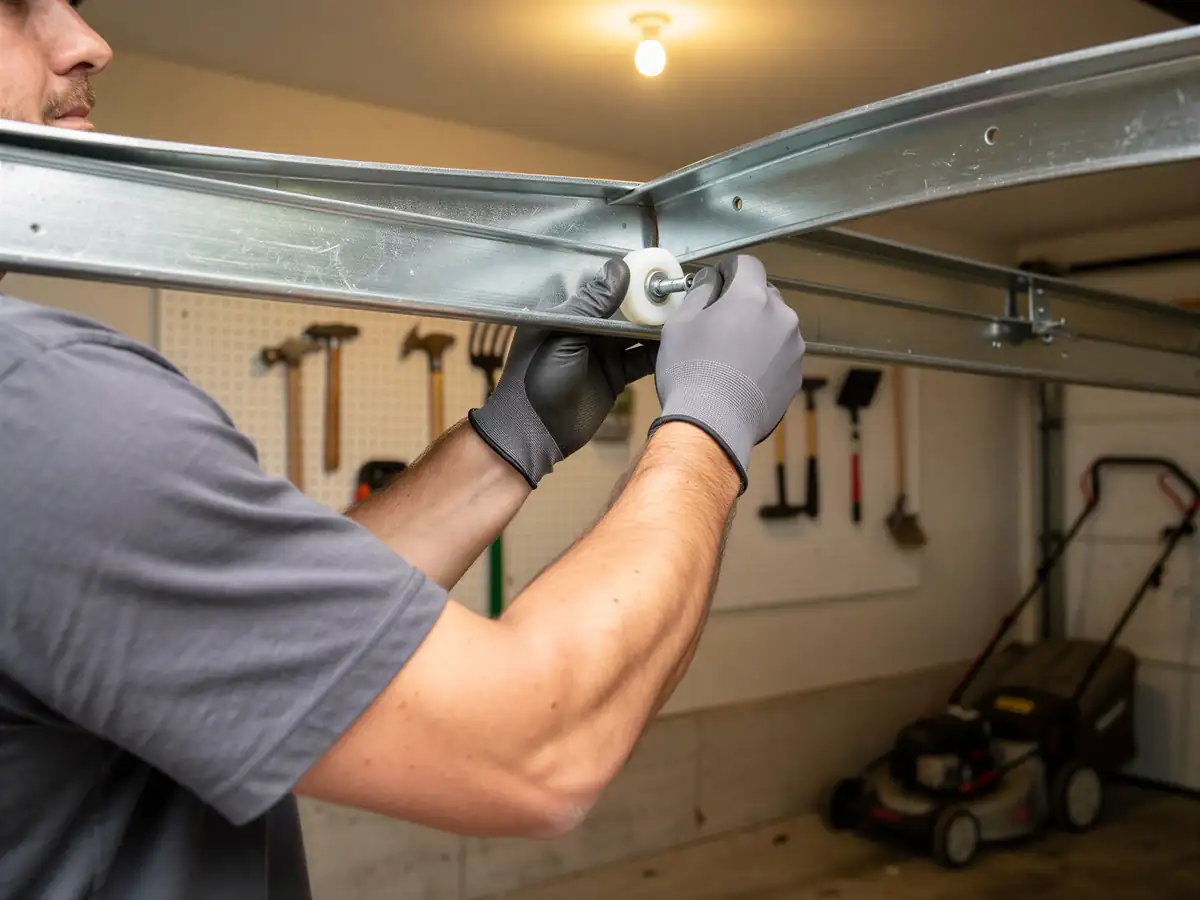
Median year built in Westlake Village runs around 1974, which puts a lot of these garages at roughly fifty years on the original hardware if nobody's touched it. Steel rollers from that era don't have bearings - they're a steel wheel on a steel stem, and after decades of use the stem wears oval instead of round. That's what makes the door sound like a shopping cart with a bad wheel, and it's also what starts chewing up the track edge if it goes long enough. Westlake Village sits in the mild temperate band Malibu Garage Door Pros covers, so you're not dealing with the freeze-thaw cycles that crack roller stems outright in colder climates - here it's closer to wear from mileage and from the original grease drying out decades ago. With roughly 3,058 households in this part of the service area, a good share of them in houses from that same build window, this isn't a rare call. It's one of the more predictable ones we get from this town specifically.
Parts We Carry
For a door from the 1974 build era, we're usually looking at 2-inch stem rollers, sometimes 4-inch depending on the track radius the original installer used - short radius was common on garages from that period where the ceiling clearance was tight. We carry sealed nylon rollers in both lengths on the truck, which is the standard swap for steel: quieter, no lubrication needed, and they don't wear the track the way a worn steel wheel does. If the track itself has been chewed from years of an oval stem rubbing the inside edge, we'll flag that separately - rollers don't fix a track, and running new rollers in a damaged track just repeats the problem in a year or two. We don't carry every roller gauge for every manufacturer; if the door turns out to be an unusual import brand rather than the standard builder-grade hardware common to houses from this era, that part may need to be ordered.
Time on the Job
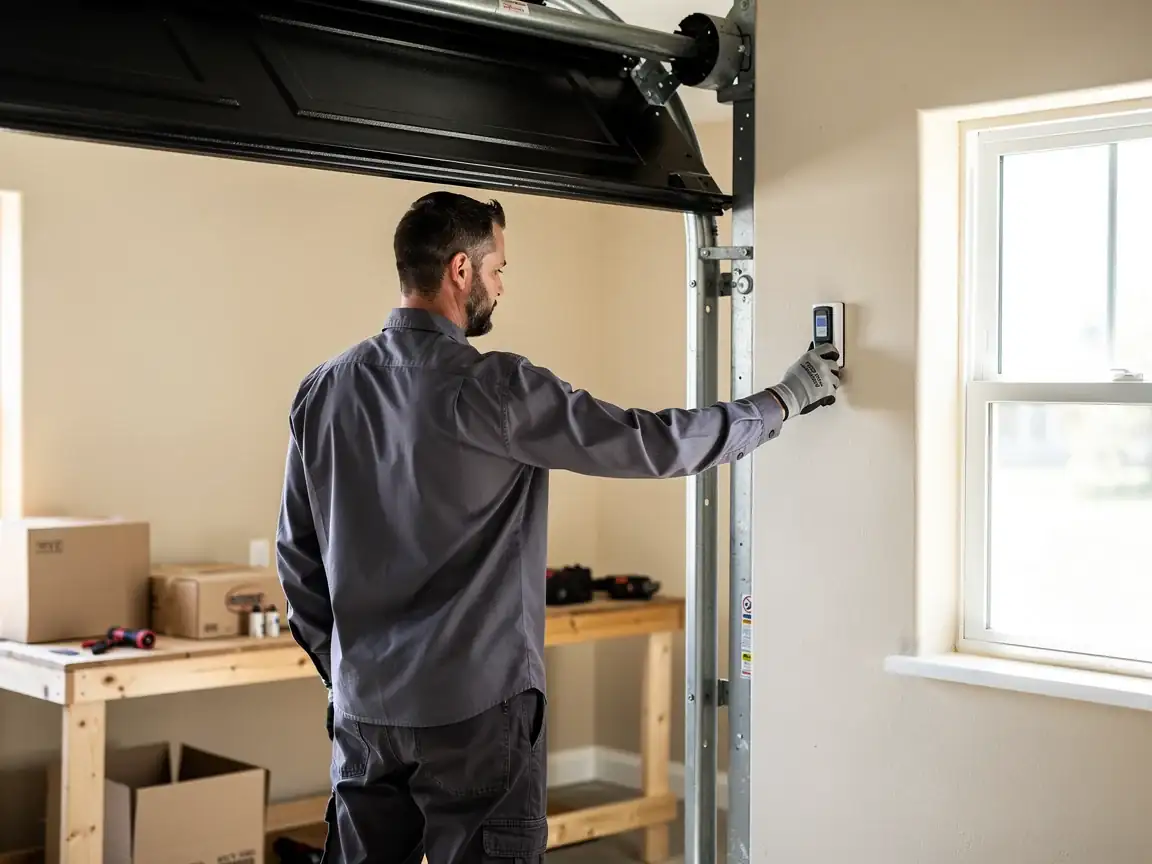
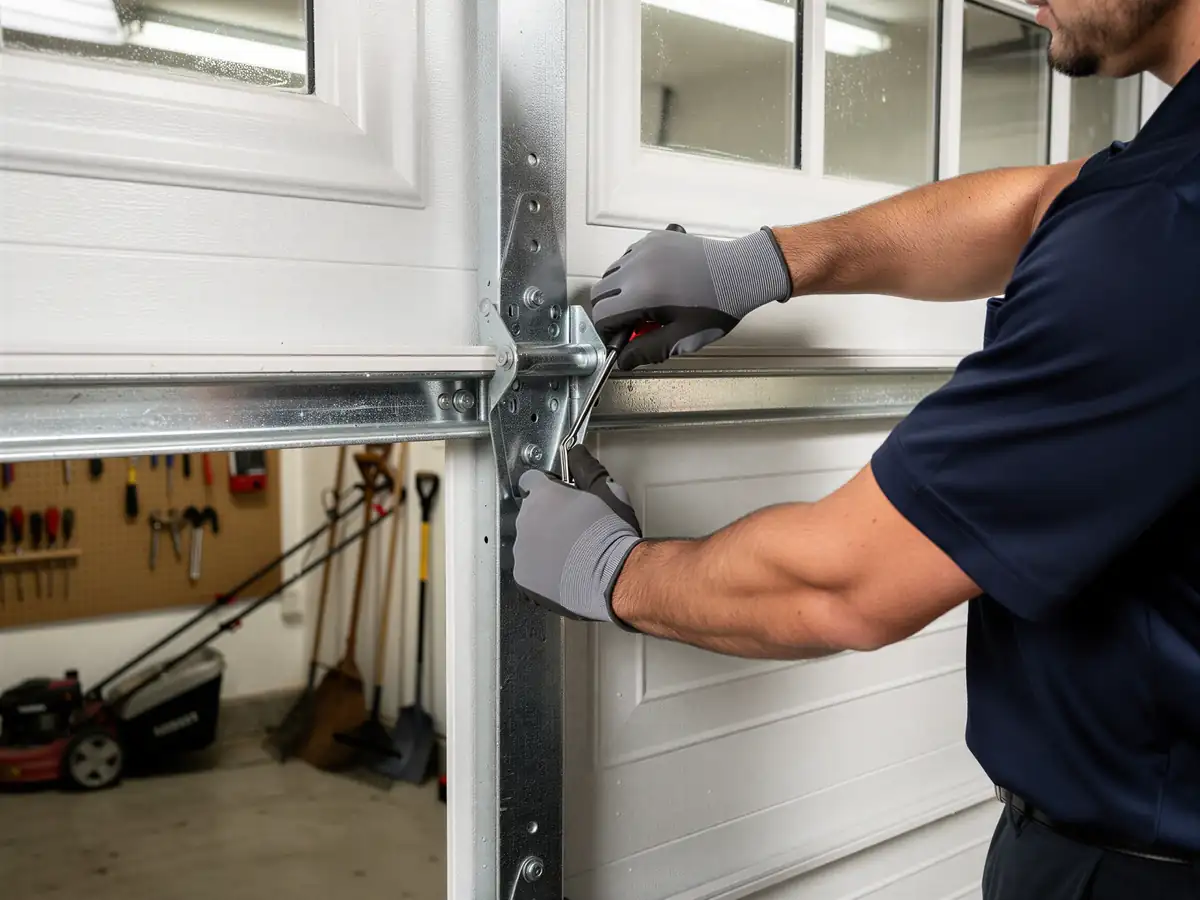
A straight roller swap on a double door - all rollers, no track damage - usually runs under two hours once we're on site, since it's one panel at a time with the door supported. If the stems have worn long enough to score the track, we add time to true up or replace the track section before new rollers go in. We don't give a firm number for Westlake Village calls specifically since drive time from Malibu varies with the day, but once we're there the roller work itself doesn't change by zip code - it changes by how worn the hardware is. Houses built in the same stretch as this one, mid-1970s, tend to need the full set replaced rather than just the noisy one or two, since steel rollers on the same door wear at close to the same rate. Replacing the whole set in one visit costs less in labor than coming back for the others in six months. For the full list of what we handle on these doors beyond rollers, see our Malibu roller replacement page.
How it works
From “it’s stuck” to “it’s fixed”
1
Tell us what’s wrong
Describe the symptom - won’t open, loud bang, opener runs but the door won’t move.
2
On-site diagnosis
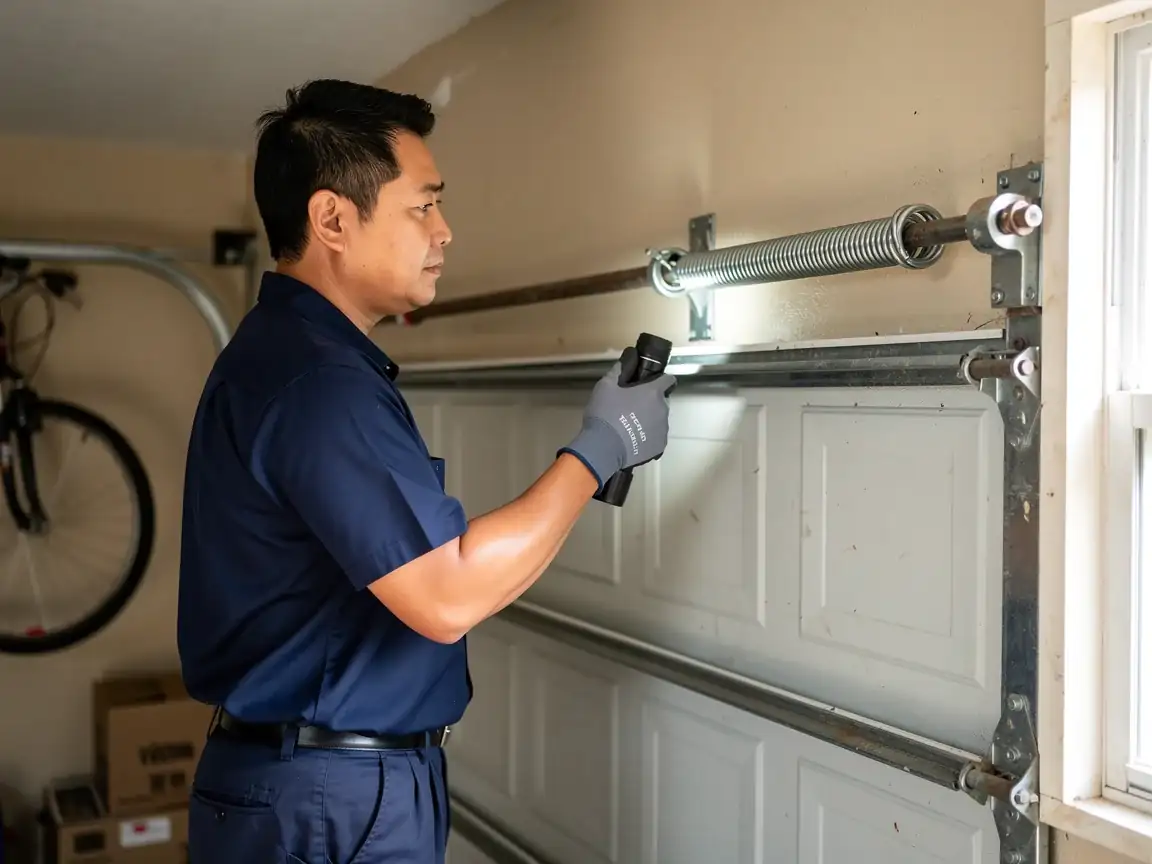
A technician tests the door under power and by hand and finds what actually failed.
3
Clear, up-front plan
You get the fix that’s needed and what drives the cost - before any work starts.
4
Repaired & tested
The repair is done, the door is set true and tested, and the work area left clean.
Not sure which repair your door needs in Malibu, CA? Describe what it’s doing - every job starts with a diagnosis.
Straight answers about garage door repair in Malibu. Still unsure? Ask us directly.
Is my garage door old enough that the rollers are original?
If your house in Westlake Village was built around the early-to-mid 1970s and nobody's mentioned replacing the garage door hardware, there's a good chance the rollers are original steel. Grinding or a door that jumps slightly at one point in the track are the usual signs the stems have worn oval and need swapping.
Do you carry rollers on the truck or do you need to order them?
Standard 2-inch and 4-inch stem nylon rollers, which cover most builder-grade doors from this area's build era, we carry on the truck. Oddball sizes from less common manufacturers sometimes need a separate order, which we'll tell you up front rather than after we've started.
Will new rollers fix a door that's noisy and also hard to lift?
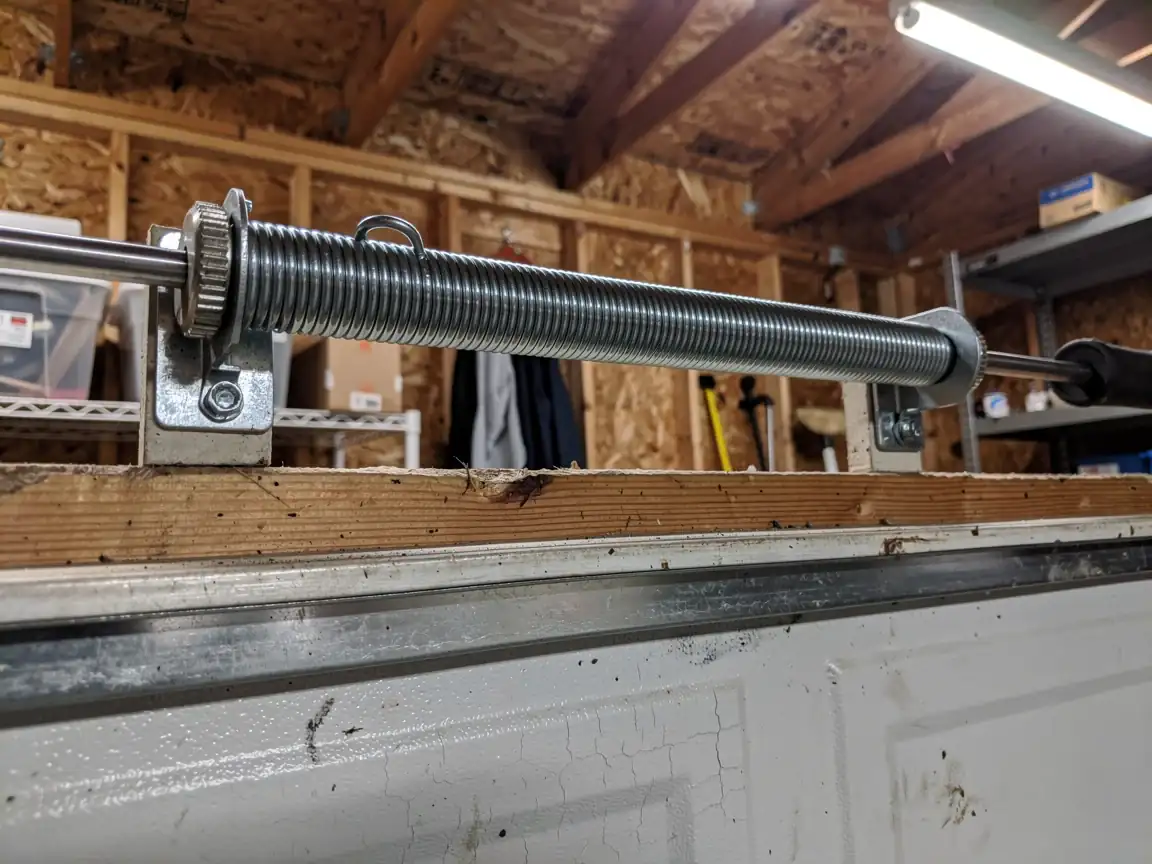
Not on their own. Worn rollers cause noise and some binding, but a door that's genuinely hard to lift usually points to a spring losing tension, which is a separate repair. We'll check both while we're there and tell you honestly which one is actually causing the problem you're noticing.
How often do steel rollers need replacing?
There's no fixed interval - it depends on use and on how much lubrication the hardware got over the years. In practice, houses from the early-to-mid 1970s in this area are commonly on their first roller replacement right around now, decades after the original install, simply because nobody touches rollers until they start making noise.