Garage Door Repair for Hidden Hills' 1970s-Era Doors
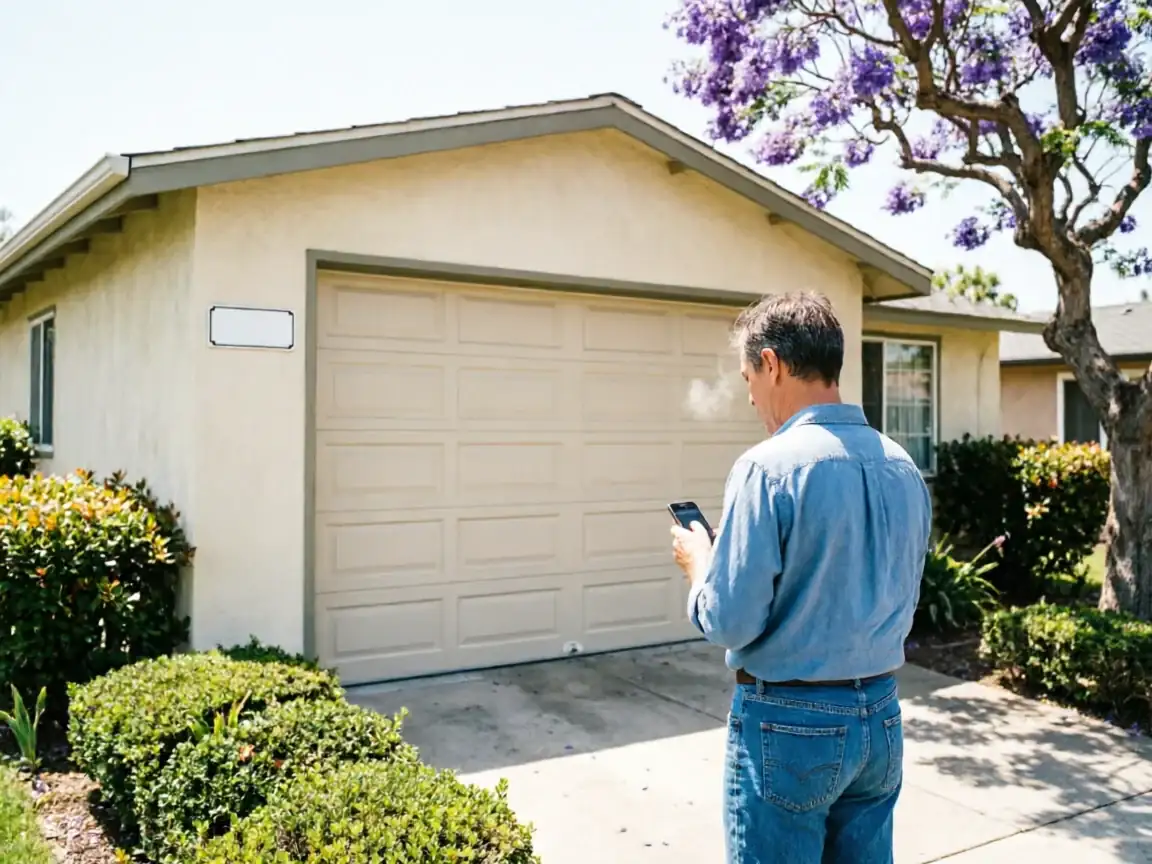
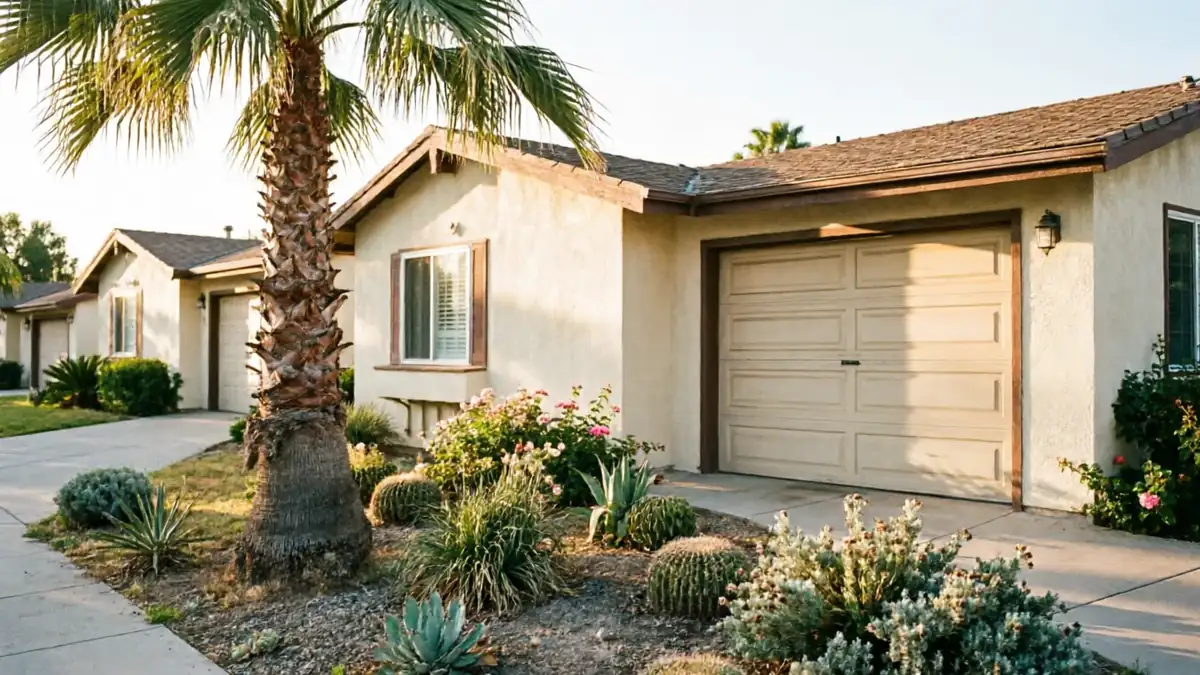
Hidden Hills homes mostly went up around 1973, which means heavier wood doors and early extension-spring setups. We travel from Malibu to fix what that hardware does now.
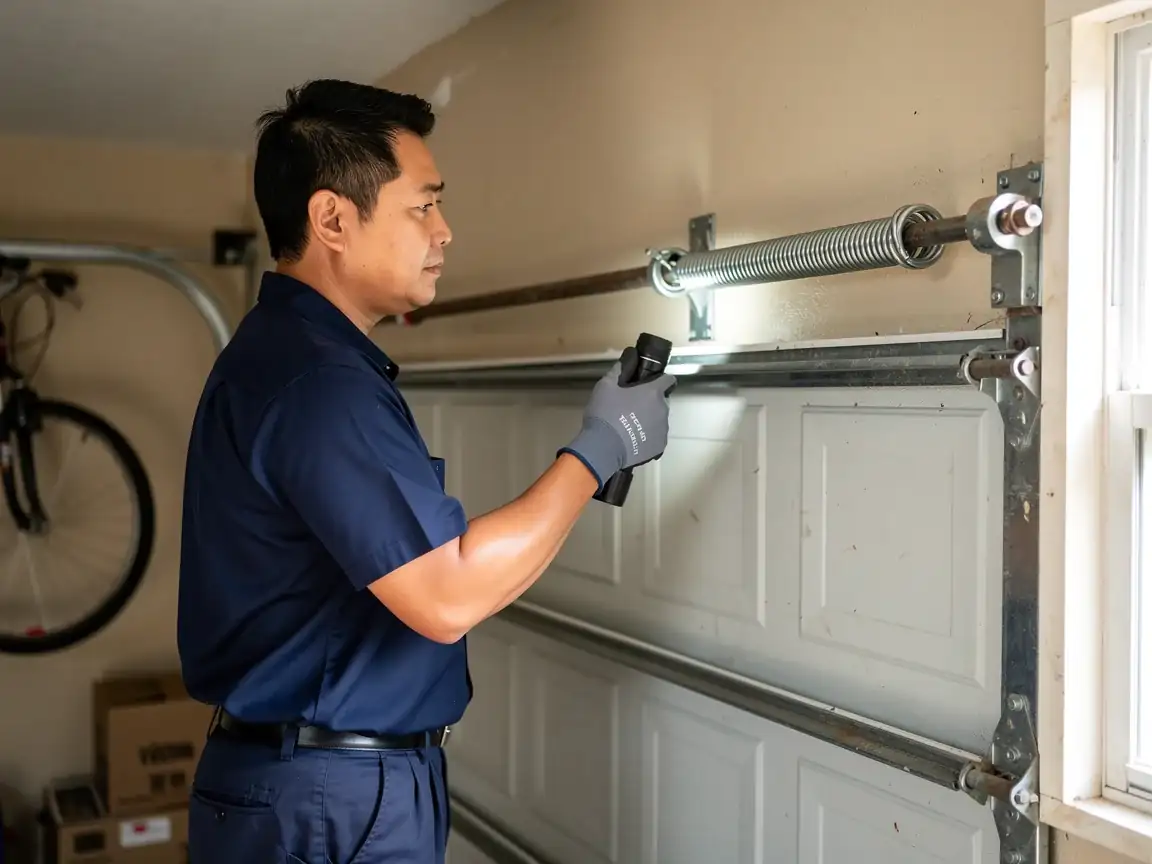
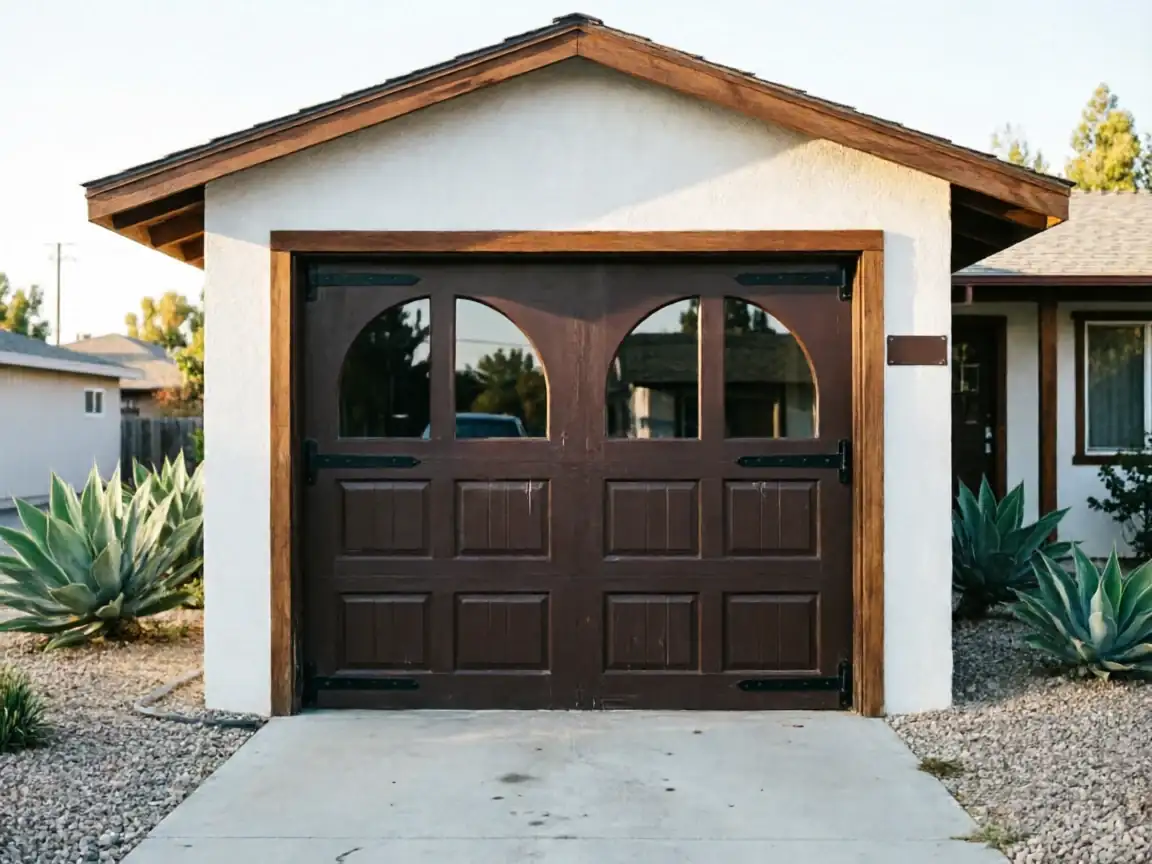
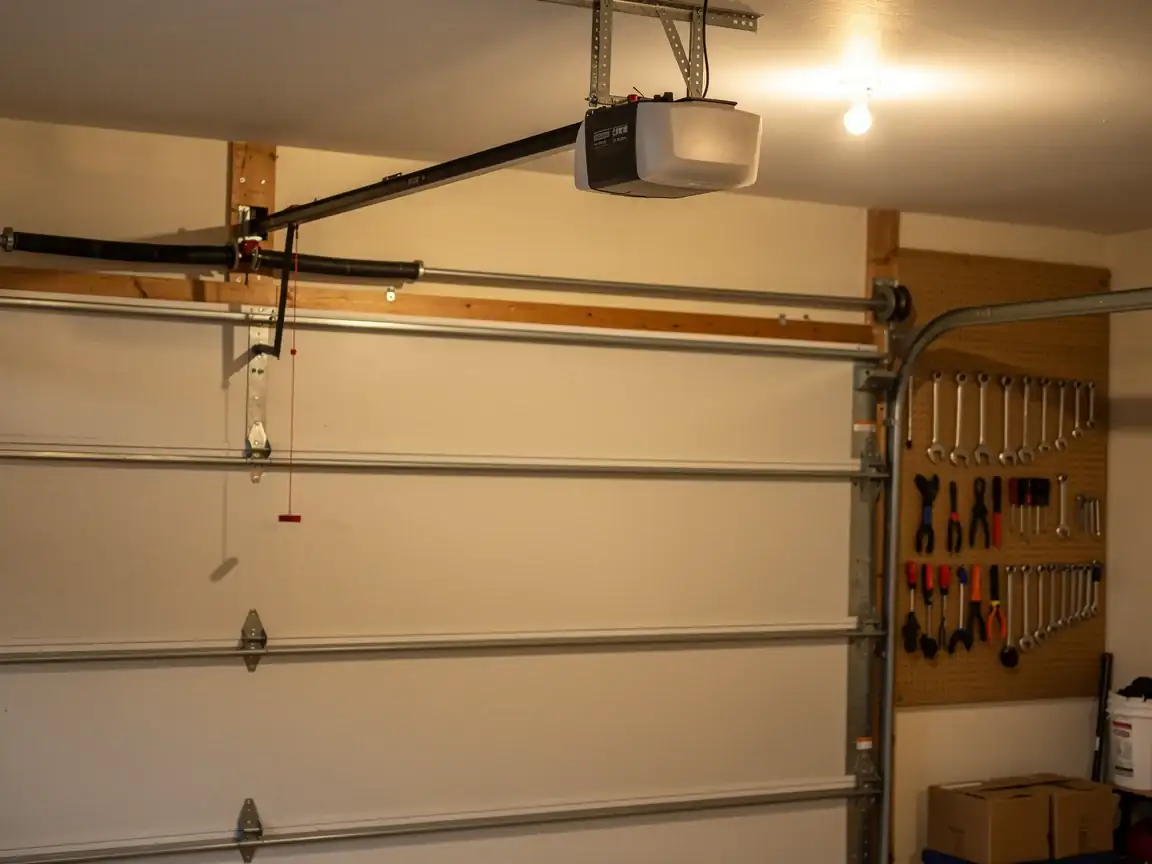
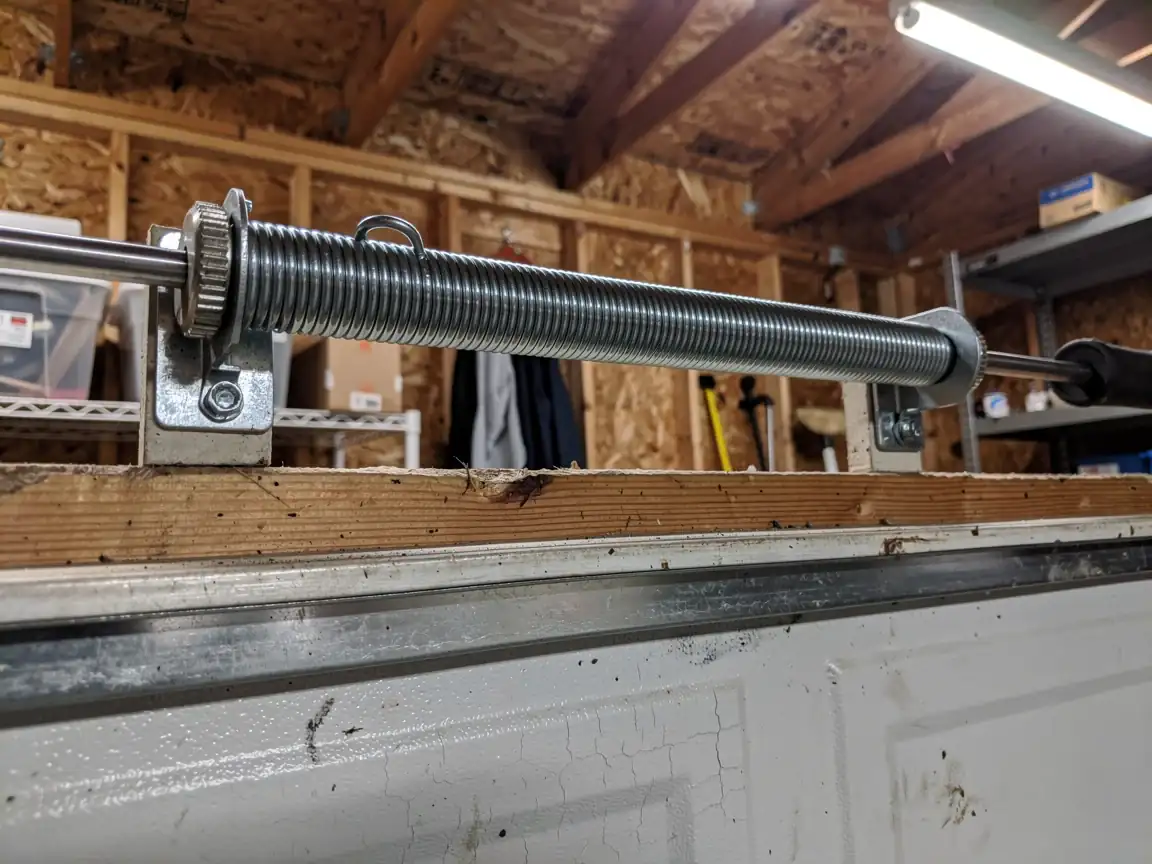
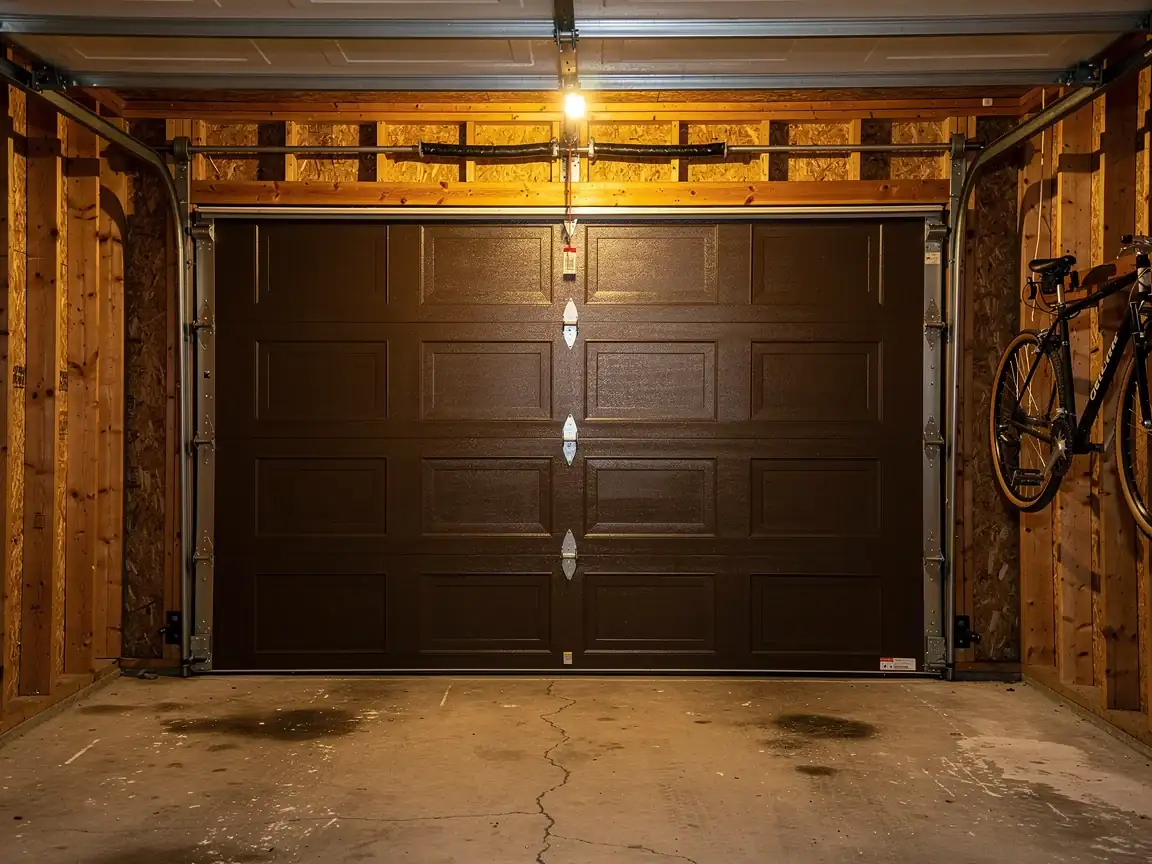
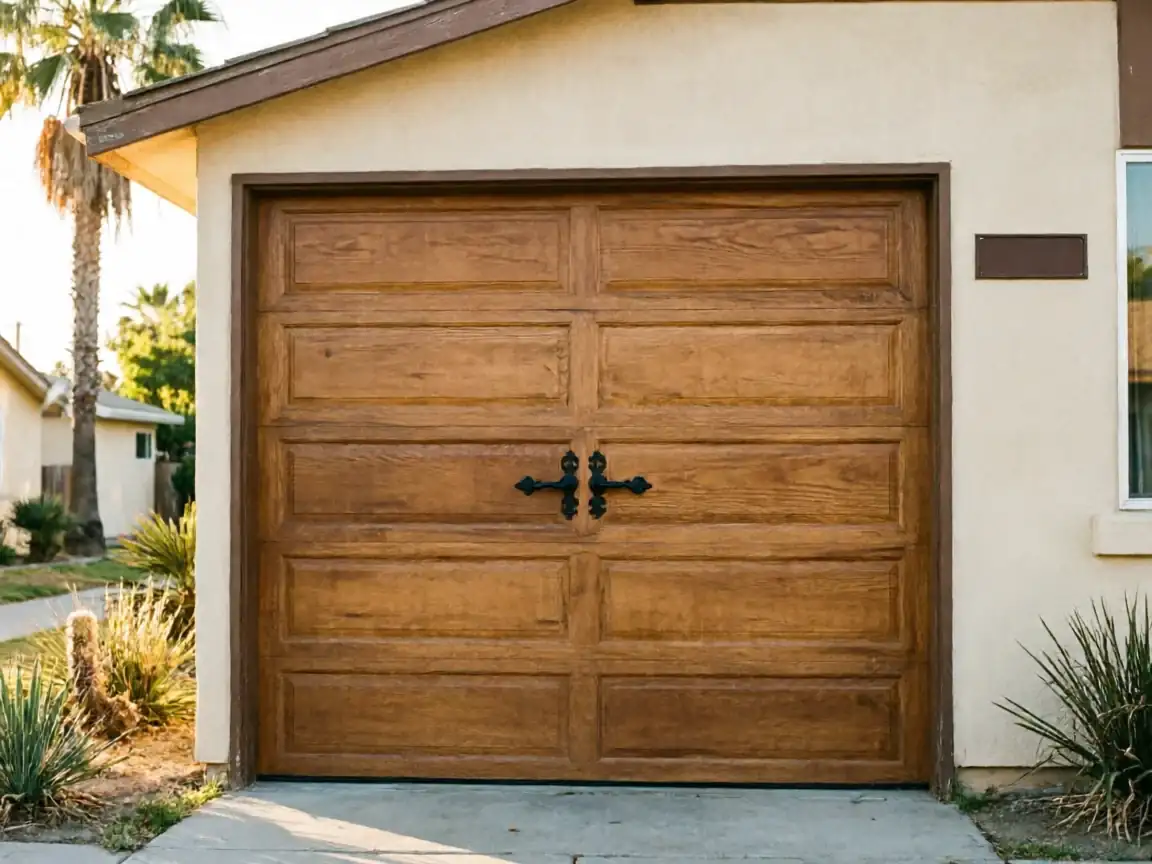
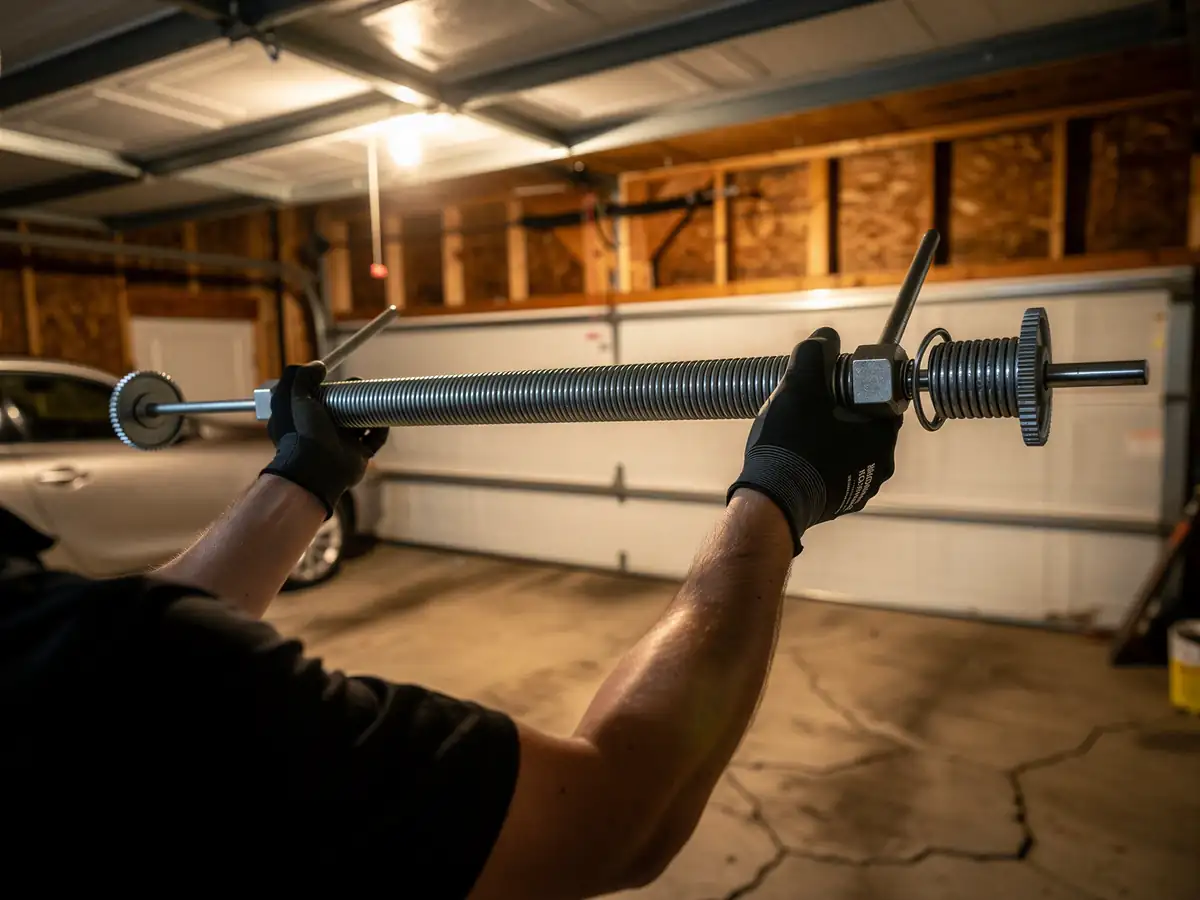
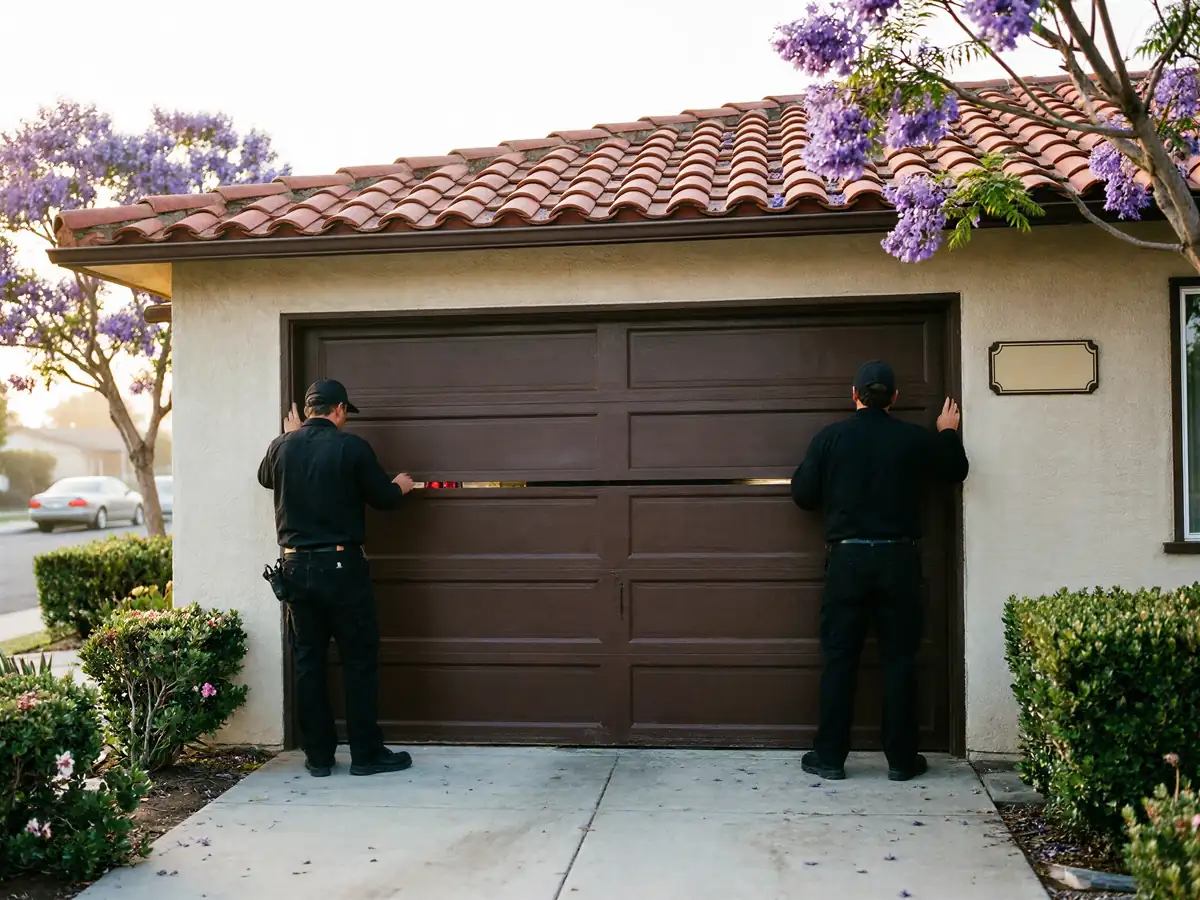
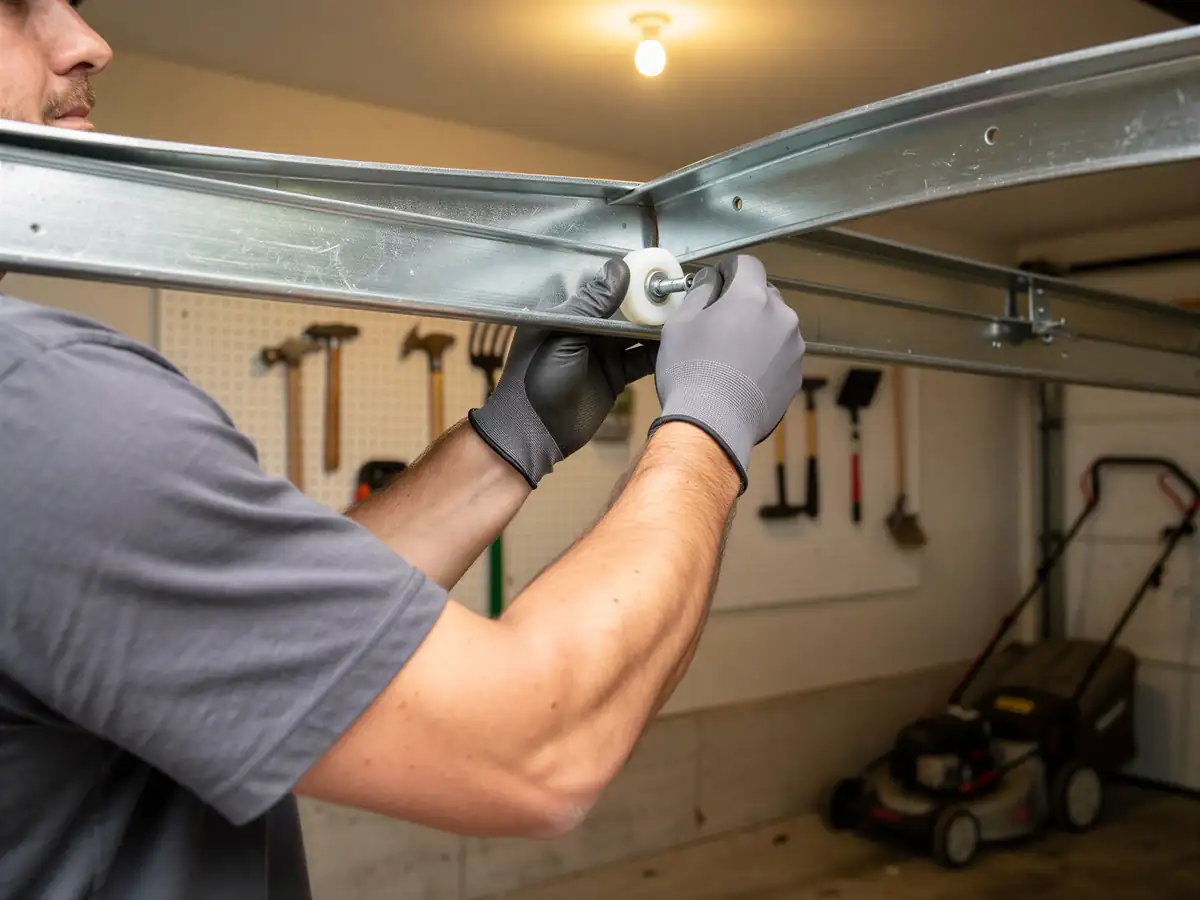
Most houses in Hidden Hills were built around 1973, which puts them squarely in the era of heavier wood-panel doors hung on extension springs rather than the torsion setups that came standard later. That combination has two weak points we see over and over: the extension springs stretch and fatigue faster than torsion springs ever did, and the safety cables meant to contain a snapped spring are often missing or were never retrofitted. On a door that heavy, a spring failure without a cable isn't a quiet problem - the door can drop hard and fast. We also see original steel tracks that were never sized for the added weight of insulation retrofits homeowners added over the decades, which shows up as rollers binding or jumping the track under load. None of this is unique to one house; it's what the building stock from that period does as it ages. The honest limit here: if the wood has delaminated or warped badly, we're not going to patch panels back to flat - replacement is the straighter path once the door itself has gone soft.
How It Shows Up
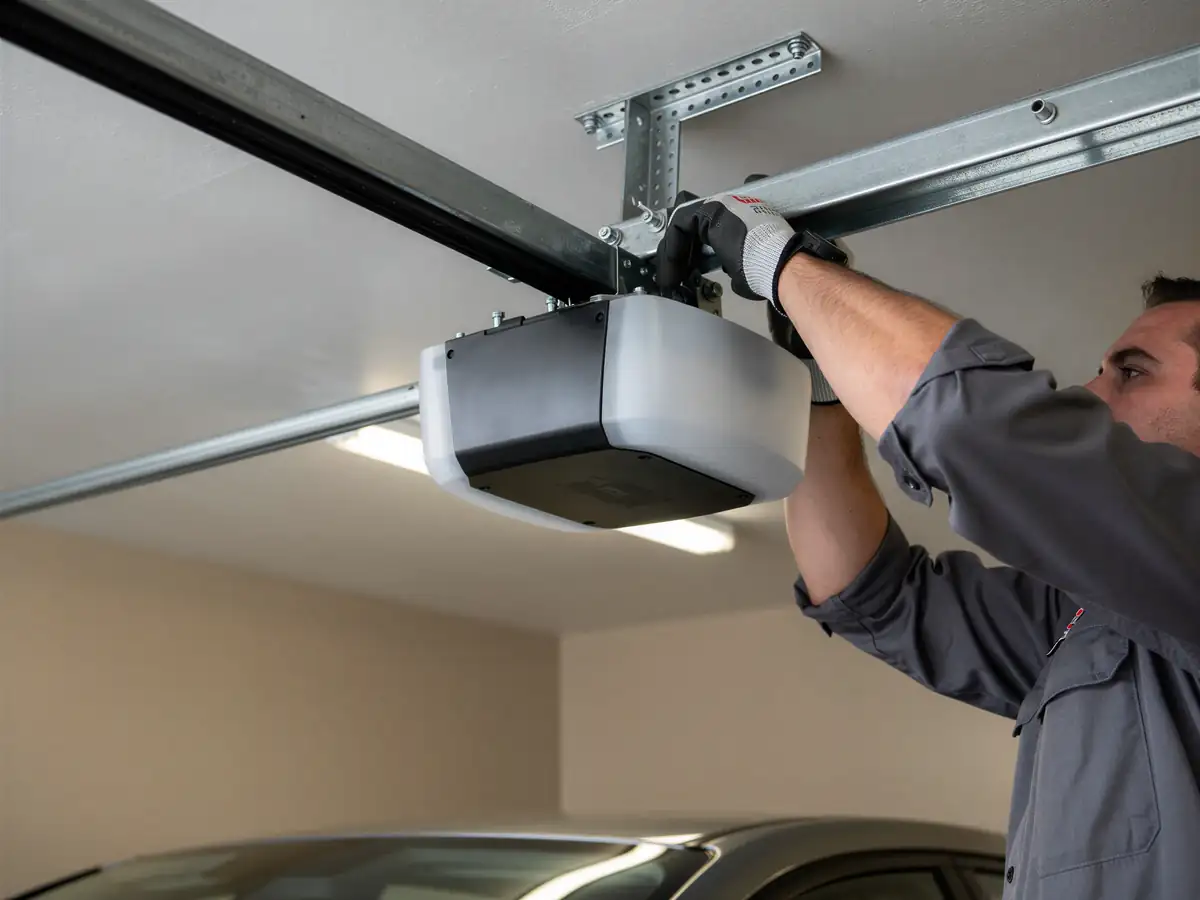
The door sticks a few inches off the floor before the opener strains, or it runs unevenly with one side dragging - both point to uneven spring tension on an older extension setup that's never been rebalanced. Some owners hear a sharp bang from the garage and find the door won't budge afterward; that's usually a spring letting go, and on an uncabled system it's also the reason the door can fall rather than just stop. A door that reverses itself halfway up, or that needs a shove to get moving, is telling you the counterbalance can no longer do its job. We also get calls about openers that run but the door doesn't move at all - on these older tracks that's often a slipped drive chain or a stripped gear, not the motor itself.
How to Book
We cover Hidden Hills from our base in Malibu, about 11 miles out, so a call here gets scheduled as a drive-out job rather than a walk-in. Tell us what the door is doing - stuck, off track, noisy, not responding to the opener - and whether you know the approximate age of the door itself, since that tells us a lot before we're even on site. We don't carry every obsolete part for a 50-year-old wood door on the truck; if yours needs a discontinued panel or hardware, we'll confirm what's available before we commit to a repair over a replacement.
Time on the Job
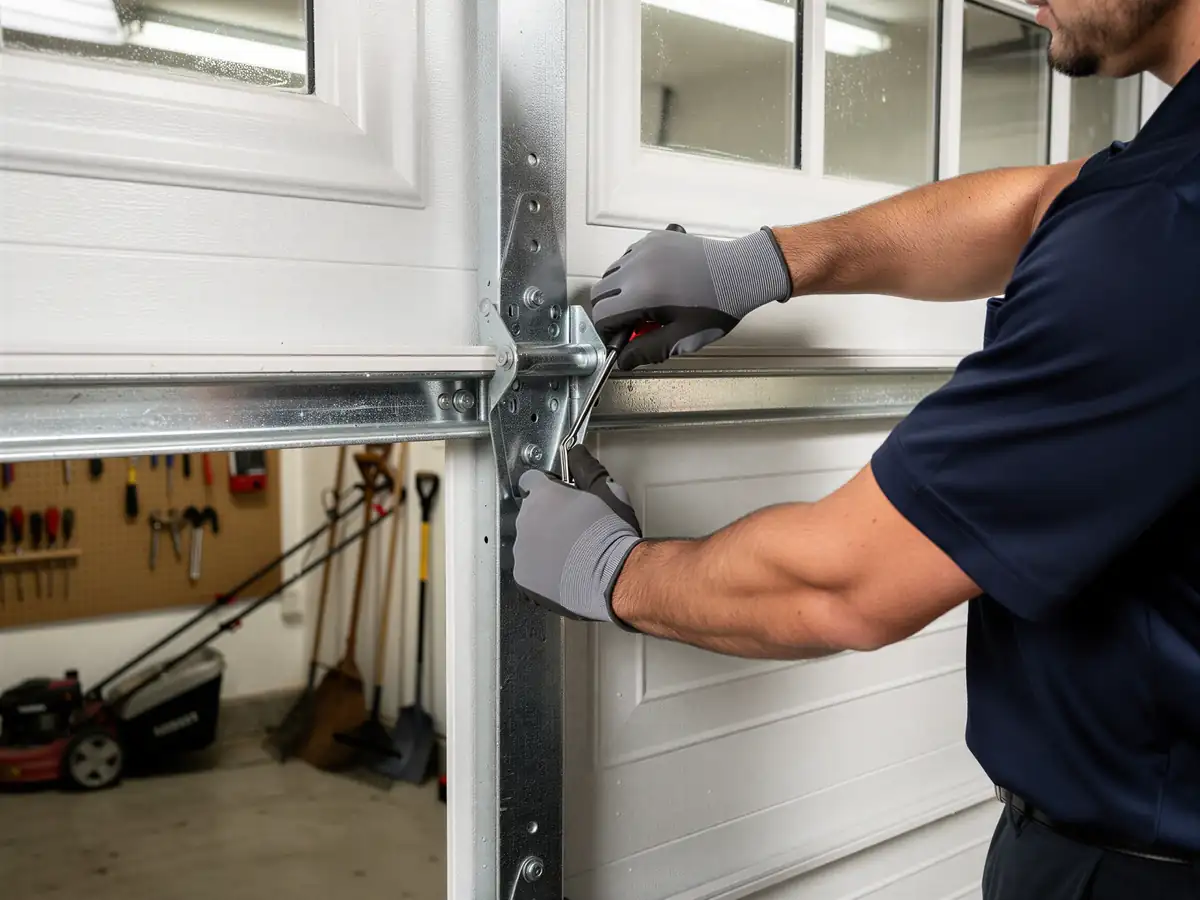
A spring swap or track realignment on a standard residential door is usually a single visit once we're out there. What takes longer in a neighborhood like this is diagnosing a door that's had partial repairs or add-ons over 50 years - a replaced opener bolted to original 1970s track, for instance, or a safety cable added later that doesn't match the spring gauge. We check the whole system, not just the part that's making noise, because on hardware this old a fix that ignores the rest of the door usually fails again within months. Mild coastal temperatures here mean we're not fighting the freeze-thaw cycles that crack hardware elsewhere, so most of what we find is wear and age rather than weather damage - which also means these doors tend to run a long time once they're properly balanced again.
How it works
From “it’s stuck” to “it’s fixed”
1
Tell us what’s wrong
Describe the symptom - won’t open, loud bang, opener runs but the door won’t move.
2
On-site diagnosis
A technician tests the door under power and by hand and finds what actually failed.
3
Clear, up-front plan
You get the fix that’s needed and what drives the cost - before any work starts.
4
Repaired & tested
The repair is done, the door is set true and tested, and the work area left clean.
Not sure which repair your door needs in Malibu, CA? Describe what it’s doing - every job starts with a diagnosis.
Straight answers about garage door repair in Malibu. Still unsure? Ask us directly.
Why does my garage door feel so much heavier than a newer one?
If your house dates to the early 1970s like most of Hidden Hills, the door itself is probably original wood construction, which is simply heavier than the steel or composite doors sold today. Heavier doors put more strain on springs and rollers, which is why these doors need rebalancing sooner than a modern lightweight door would.
Do you have a branch in Hidden Hills?
No. We're based in Malibu, about 11 miles away, and we drive out for every Hidden Hills call. There's no local depot, so scheduling is handled as a dispatched job rather than a drop-in visit.
Is it worth repairing an original 1970s wood door?
Sometimes. If the wood is still sound and the issue is spring, track, or hardware, a repair makes sense. If panels have warped or delaminated, we'll tell you straight that replacement is the better money, rather than patching a door that will keep giving you trouble.
What's the most common failure you see on these older doors?
Extension springs that have fatigued past safe tension, often without a safety cable installed to catch the door if a spring lets go. That combination is specific to the hardware standard when these houses were built, and it's the first thing we check on an older Hidden Hills door.