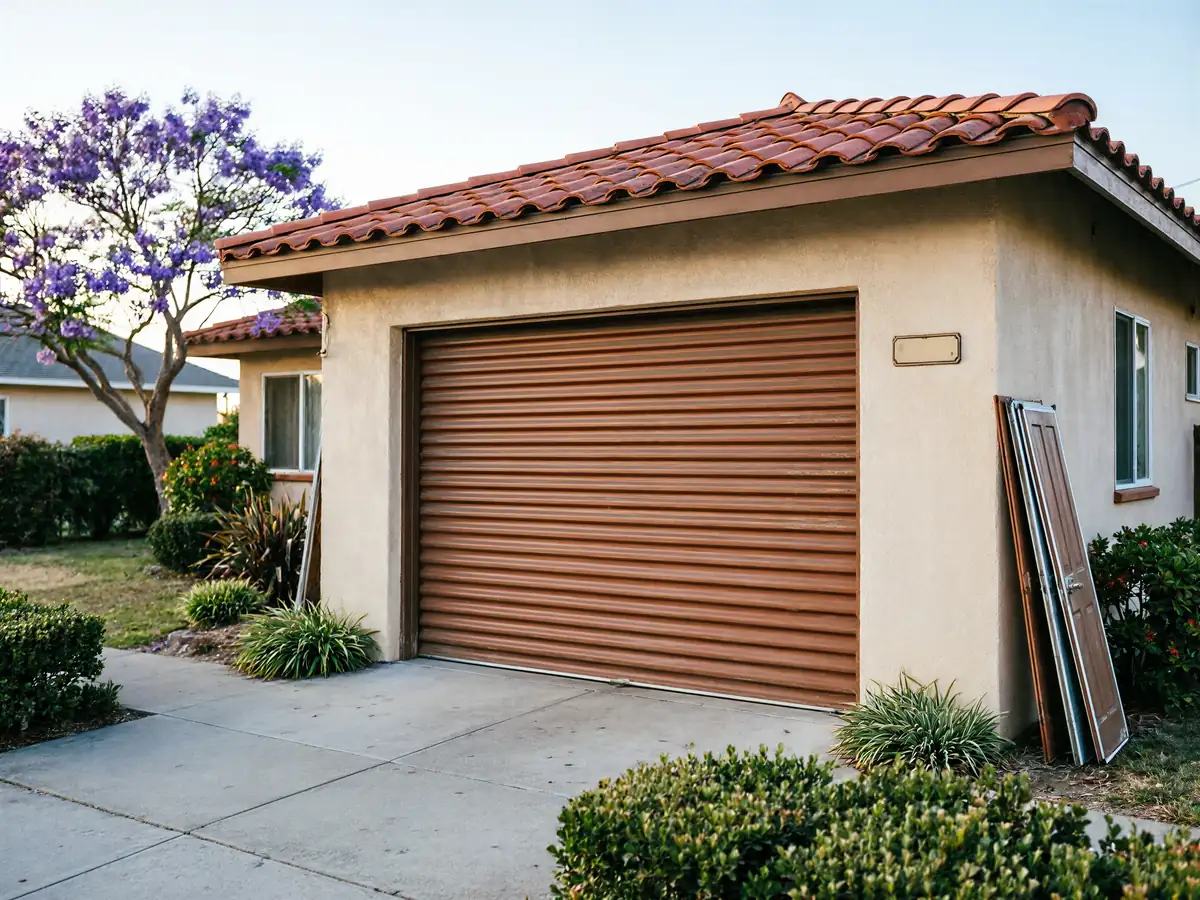
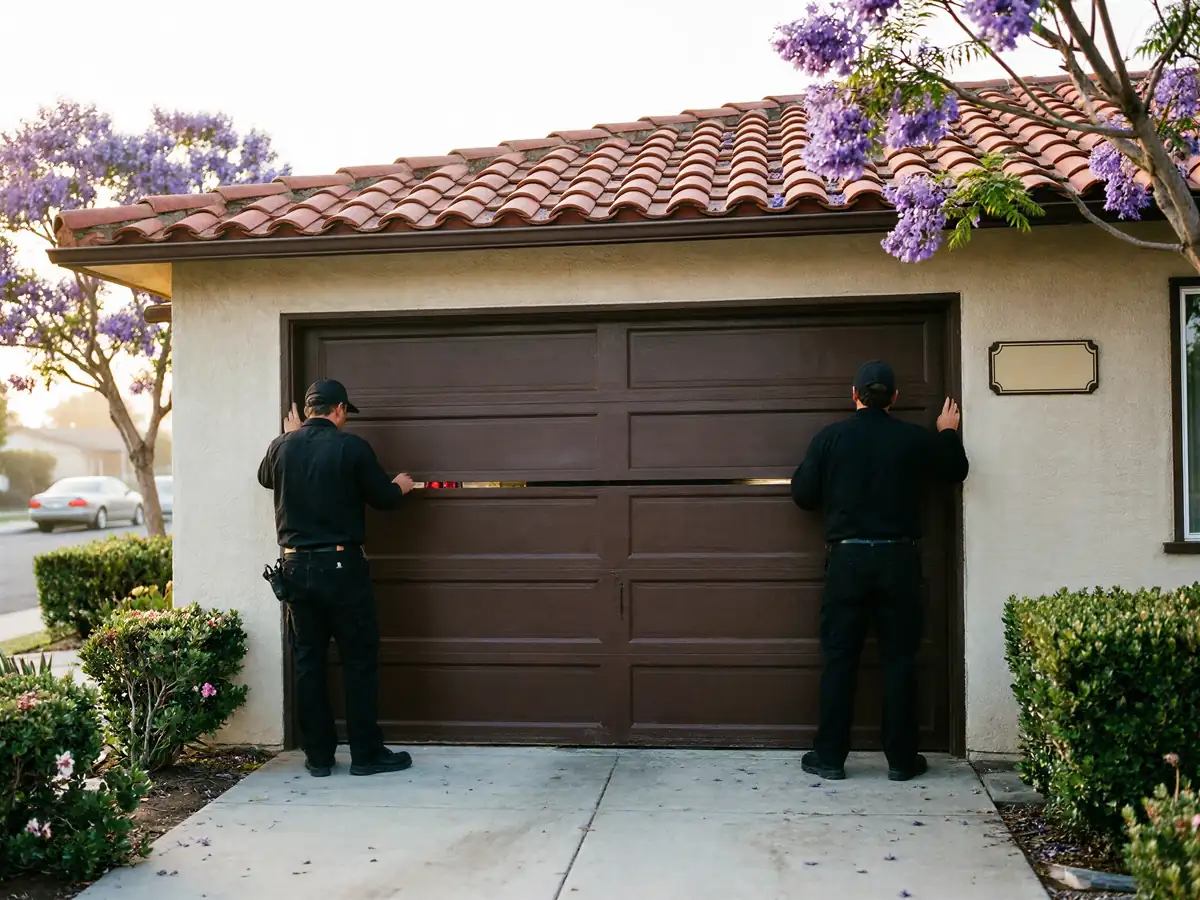
Garage door repair and service for Hidden Hills, 11 miles from our Malibu base. Built mostly around 1973, these doors run older hardware that needs specific parts.
Hidden Hills sits eleven miles from our shop in Malibu
And that drive shapes how we plan a visit here more than it does for closer stops. We don't send a truck out for a quick look - if we're coming to Hidden Hills, we come with the parts we expect to need, because a second trip for a missing part costs the better part of an hour each way.
02
The median home in Hidden Hills went up around 1973
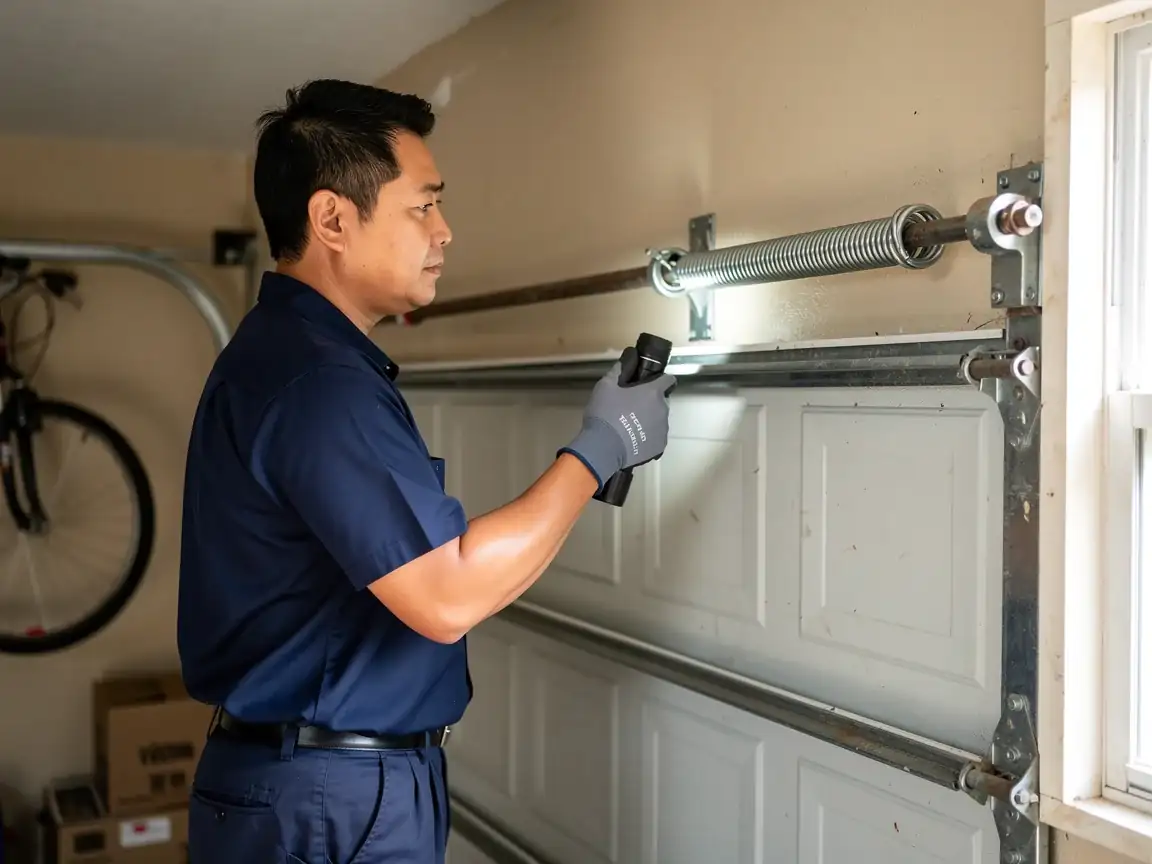
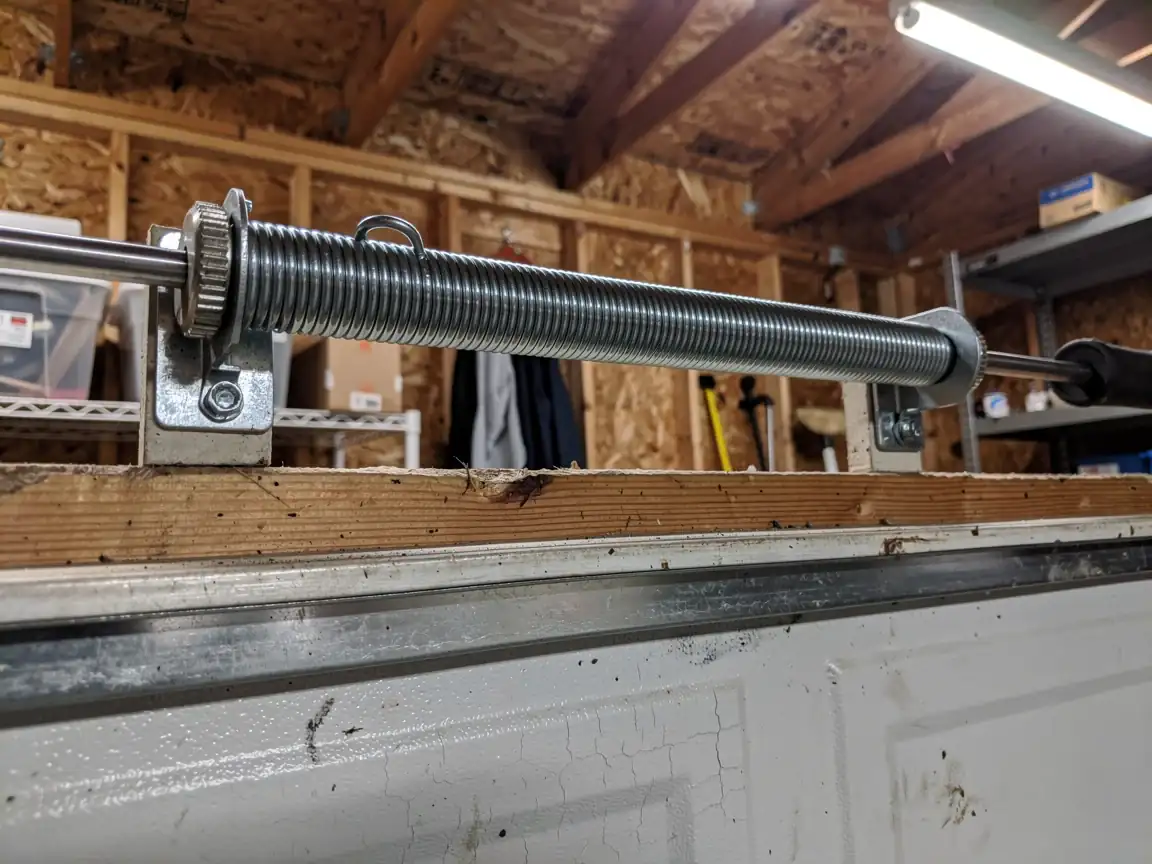
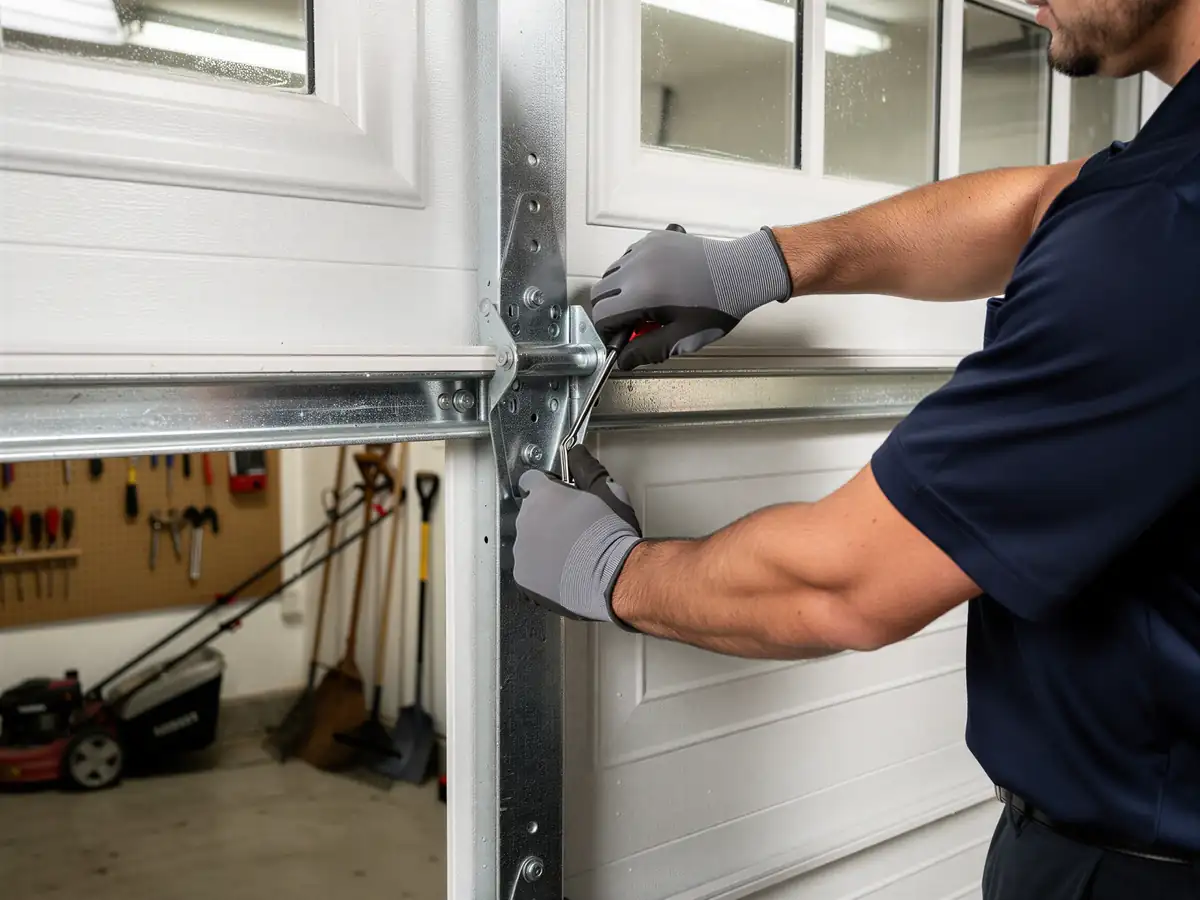
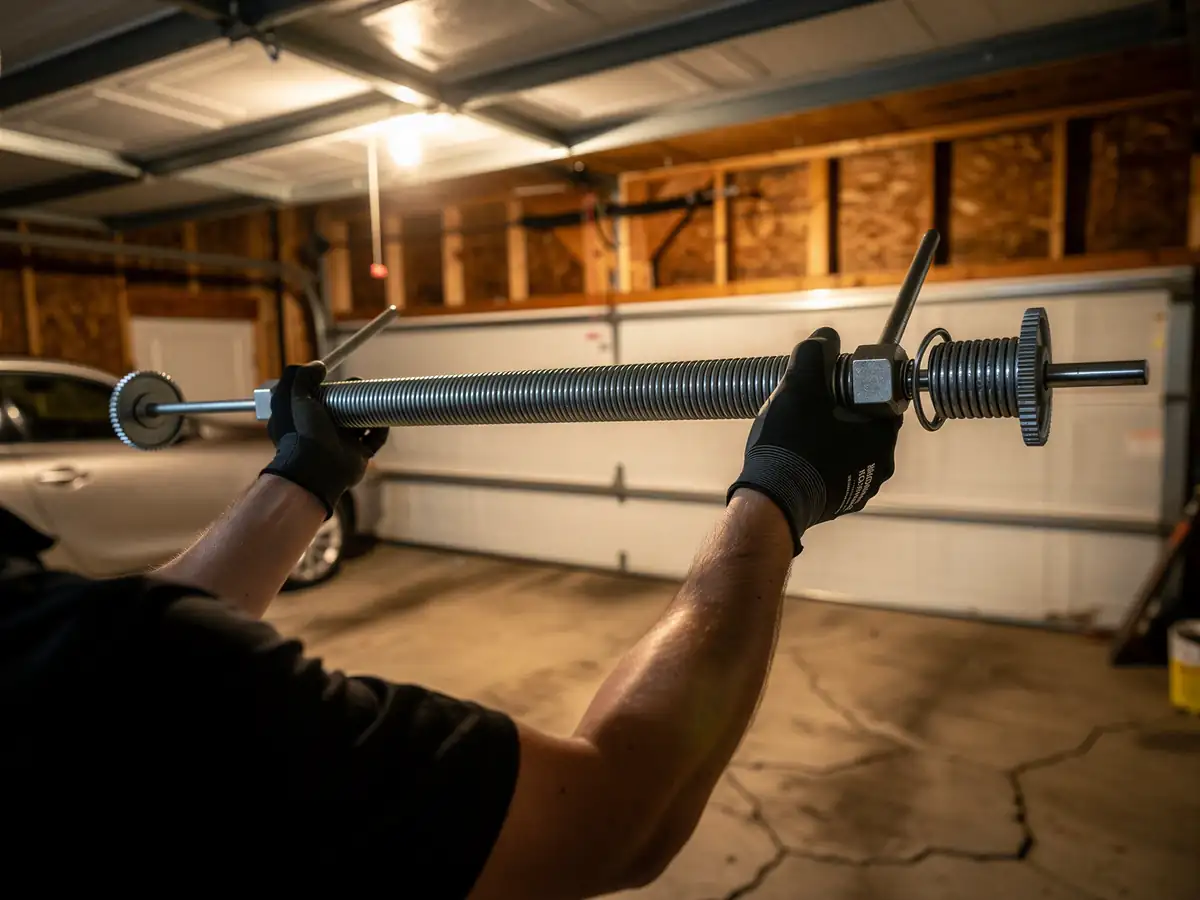
A few years ahead of the 1979 midpoint for the wider area we cover. That matters for the hardware. Doors from this stretch of the early seventies were commonly steel sectional panels running on extension springs, sometimes converted to torsion later, sometimes not. If yours hasn't been touched since it went in, the spring is well past its rated cycle count and the cable anchors are the original stamped kind that don't match what's sold today.
03
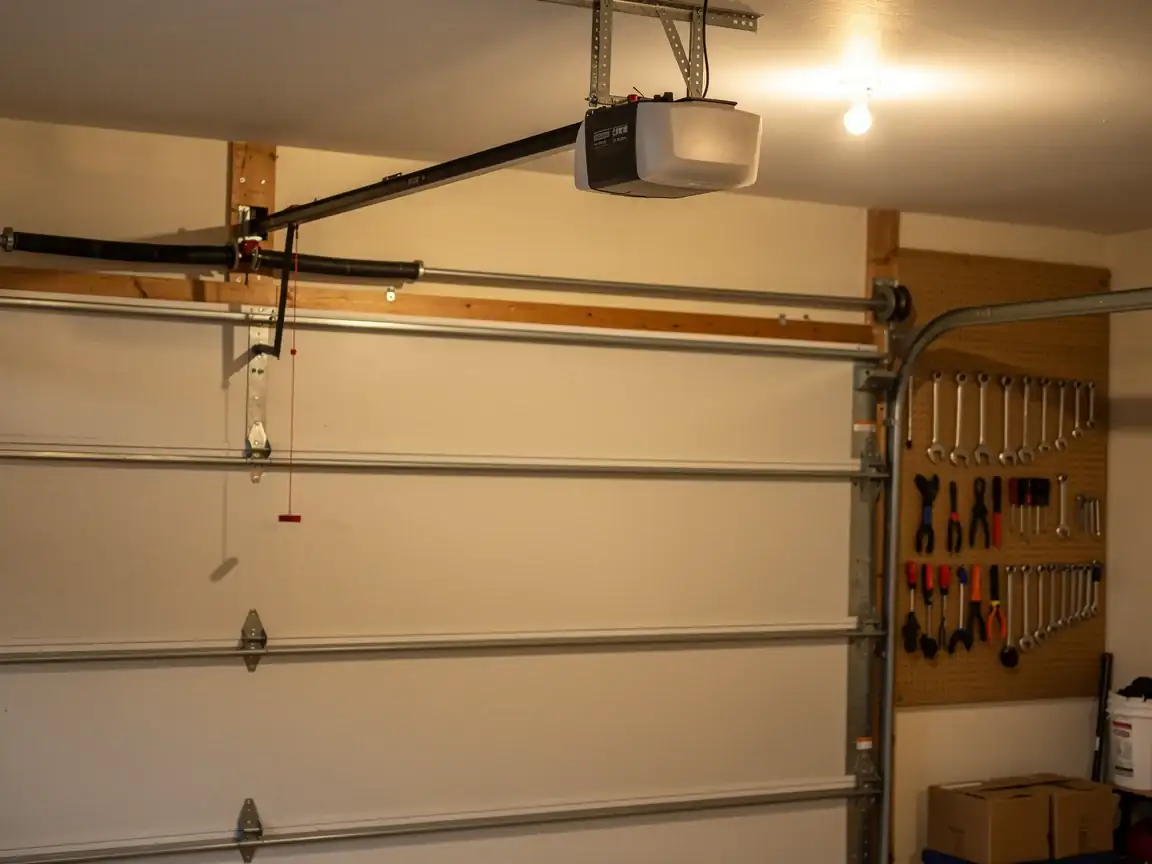
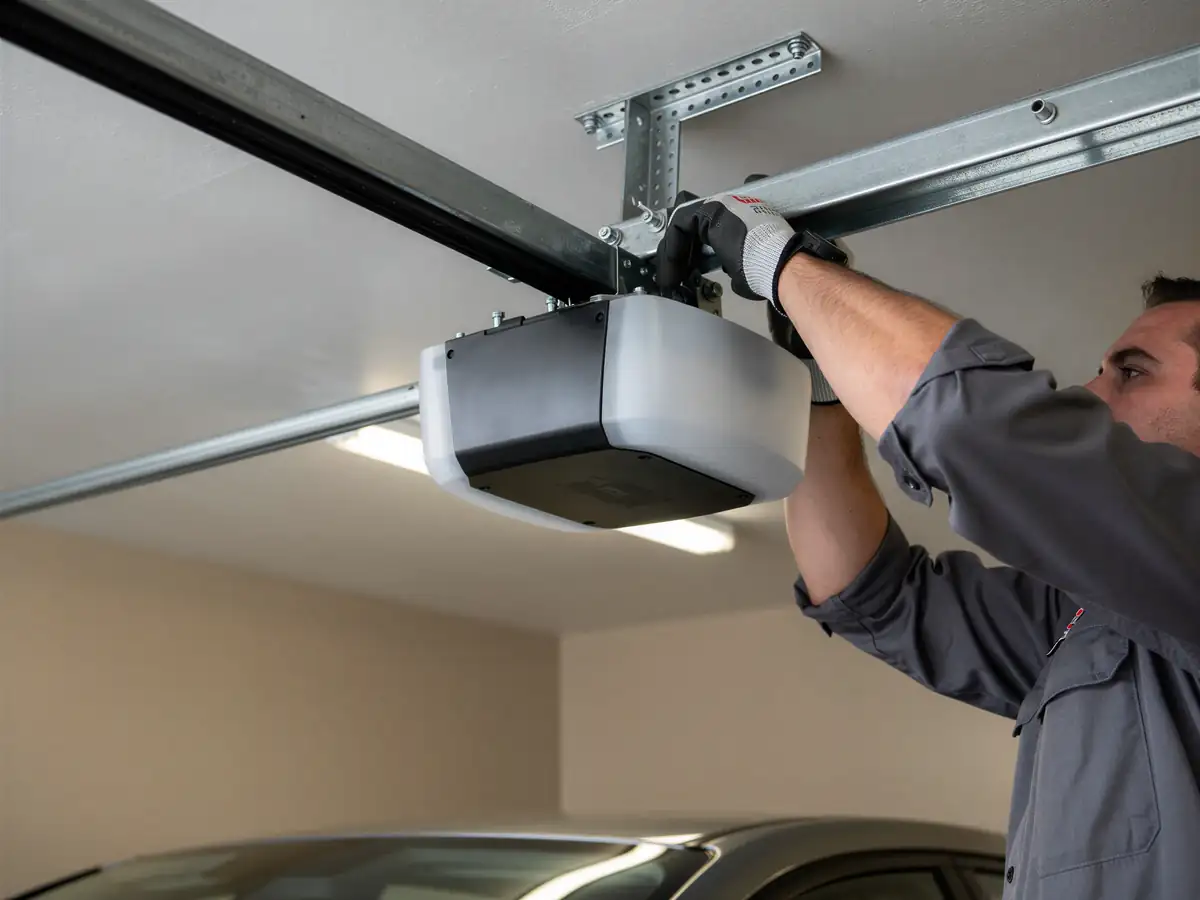
Openers from that era, if they're still in place, are chain-drive units with no safety reversing sensors
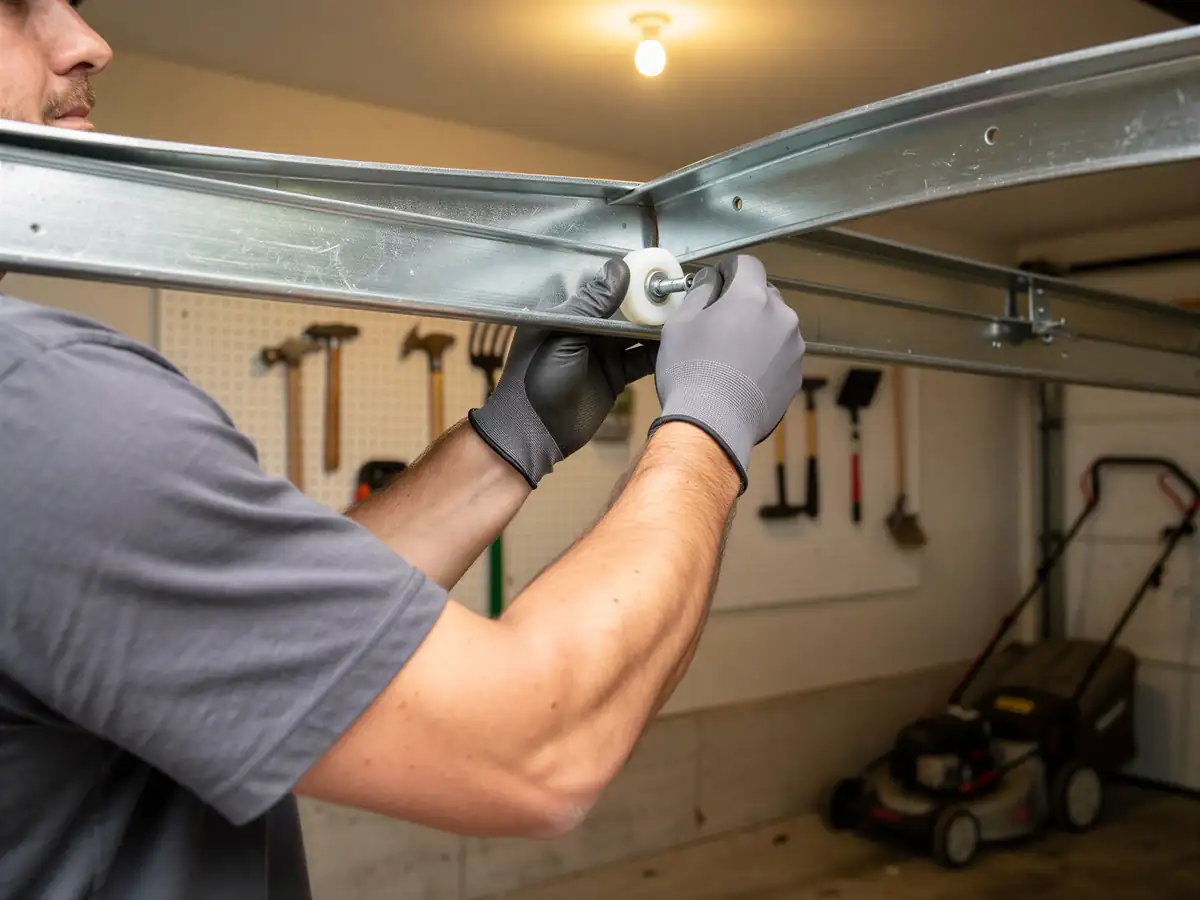
A real issue if you've got the door going up and down daily. Rollers on these doors are usually steel, not nylon, and they're loud for a reason: thirty-plus years of dry grease and dust.
How It Shows Up
On a torsion or extension spring from the early seventies era, the usual first sign is the door getting heavy to lift by hand, then one day refusing to move at all - that's the spring giving out, not the opener. On chain-drive openers of that vintage, you'll often hear a grinding or slipping sound before it quits, because the gear inside has worn down slowly rather than failing all at once.
With only 651 households in Hidden Hills, we see a narrower range of these faults than we would across a bigger, mixed-era neighborhood - mostly spring fatigue, worn rollers, and openers nearing the end of their working life, rather than anything tied to new construction or mismatched retrofits. Household income here runs well above the service area's $174,069 median, at over $250,000, and that tends to show up as more owners replacing an opener proactively rather than running it until it fails - but the doors themselves, being original to houses from the early seventies, still carry the hardware of their decade.
If your door drifts off-track when it closes, or one side drops faster than the other, that's usually a cable or roller issue on one of the original tracks, not something wrong with the opener at all.
How to Book
Call ahead rather than expecting a same-day slot - the drive from Malibu means we batch Hidden Hills visits where we can, and knowing the make and rough age of your door before we come out lets us bring the right spring size and cable length on the first trip.
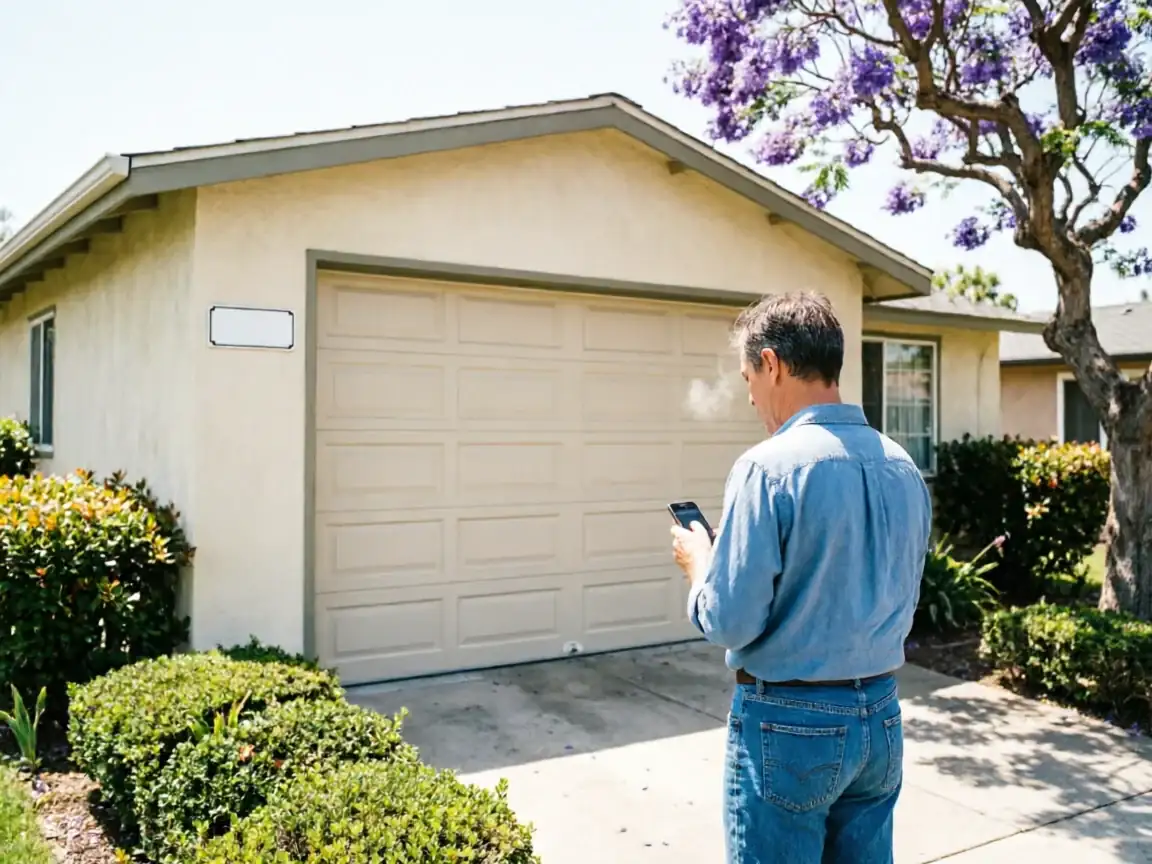
If you're not sure what's installed, a photo of the spring assembly and the opener's motor housing helps us figure out what era of hardware we're dealing with before we leave the shop. For houses built close to that 1973 median, we usually ask whether the opener has ever been replaced, since that's the single biggest variable in what a visit involves.
You can see the rest of what we cover for this pocket of the territory on our service area page, and the general rundown of garage door work we do out of Malibu is on our main service page.
Time on the Job
01
A straightforward spring replacement on an original 1970s-era door usually runs shorter than people expect once we're on site
The labor isn't the slow part, finding the right spring size for older stamped hardware sometimes is. We carry common sizes, but if your door has a less usual spring wind or an obsolete cable drum, that part may need to be ordered, and we'll tell you honestly if that's the case rather than forcing a mismatched part onto the door.
02
Opener swaps take longer on these homes than on newer construction
Mostly because the old chain-drive units were often mounted with brackets that don't fit modern rail systems, so there's some fitting involved beyond just bolting in a new unit.
03
One limitation worth saying plainly
If a door's track is badly bent or the frame itself has shifted with the house's age, patch repairs on a 1973-era setup sometimes cost more over time than replacing the door outright. We'll tell you when we think that's the case instead of running up a repair bill on a door that's on its way out anyway.
How it works
From “it’s stuck” to “it’s fixed”
1
Tell us what’s wrong
Describe the symptom - won’t open, loud bang, opener runs but the door won’t move.
2
On-site diagnosis
A technician tests the door under power and by hand and finds what actually failed.
3
Clear, up-front plan
You get the fix that’s needed and what drives the cost - before any work starts.
4
Repaired & tested
The repair is done, the door is set true and tested, and the work area left clean.
Not sure which repair your door needs in Malibu, CA? Describe what it’s doing - every job starts with a diagnosis.
Straight answers about garage door repair in Malibu. Still unsure? Ask us directly.
How far out is Hidden Hills from your Malibu location?
It's about eleven miles. We don't keep a branch or depot in Hidden Hills - every job here is a dispatch from our Malibu shop, so we plan the visit around having the right parts on the truck rather than expecting to run back for a missing piece.
Why does the age of my house matter for a garage door repair?
Hidden Hills homes cluster around a 1973 median build year, a bit earlier than much of the wider area we serve. That era used steel sectional doors on extension or early torsion springs and chain-drive openers without modern safety sensors, so the parts and the failure points differ from a newer install.
Do you stock parts for older garage door hardware locally?
No - we don't keep standing inventory in Hidden Hills itself, given it's a smaller pocket of households within the territory. We bring parts out from Malibu based on what you tell us about the door's age and type, which is why a quick description or photo before the visit helps.
Is it ever better to replace an old door than repair it?
Sometimes, yes. If the track is bent or the frame has shifted with the house's age, patching an original 1970s-era door can end up costing more over several visits than putting in a new one. We'll say so directly if we think that's where your door is at instead of running up repairs on it.